The Rome Framework

Israeli Forces Begin Lebanon Pilot Withdrawal

Washington announces implementation of trilateral framework in Fareen, Serifa, and Zaoutar al-Gharbiyeh • Lebanese army assumes security control under US supervision | Direct result of Rome talks (Israel News)

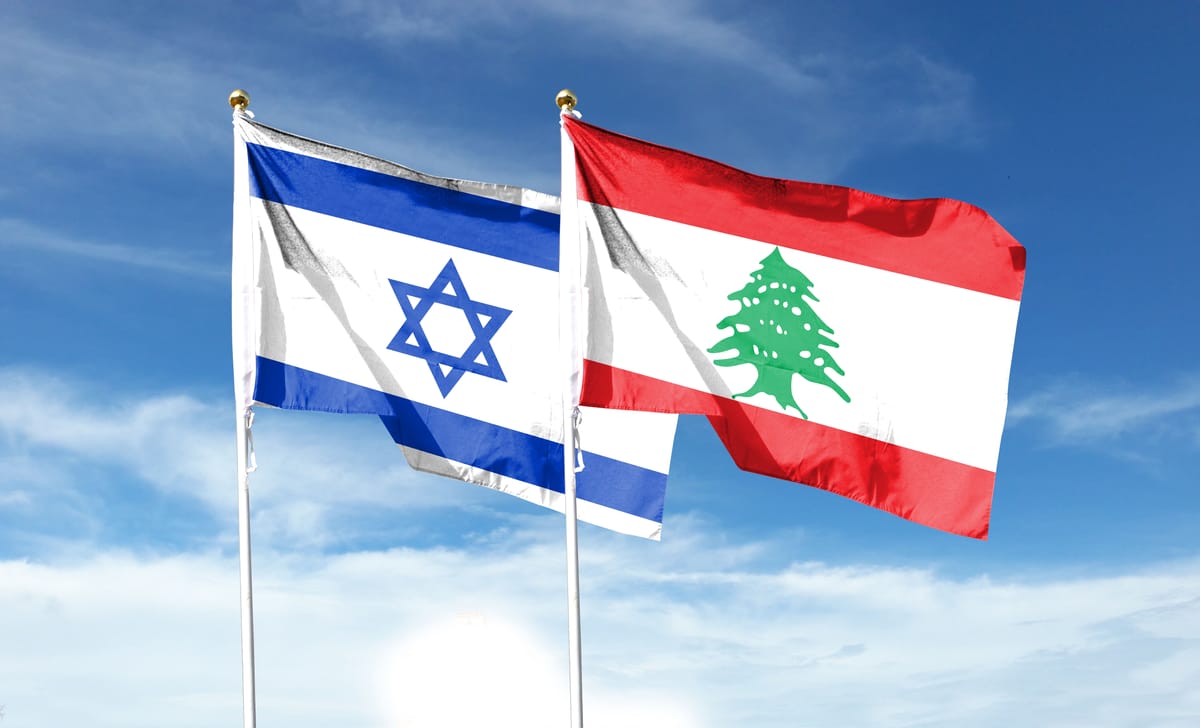
Israeli, Lebanese flags

The United States State Department confirmed Monday that Israeli forces have begun implementing the first phase of a trilateral withdrawal framework in southern Lebanon, marking what Washington described as a significant milestone in the US-brokered security arrangement between Israel and Lebanon.

State Department spokesperson Tommy Figott announced that pilot operations commenced in three villages: Fareen, Serifa, and Zaoutar al-Gharbiyeh. The move represents the direct outcome of intensive negotiations held last week in Rome between Israeli and Lebanese officials, with American mediators facilitating the discussions.

Under the framework agreed upon in Rome, the Lebanese Armed Forces are assuming full security responsibility in the designated pilot zones following verification that Hezbollah infrastructure and armed presence have been dismantled. The arrangement allows for a phased Israeli military withdrawal contingent on strict adherence to security conditions established in the trilateral agreement signed last month.

The pilot program serves as a critical test of Lebanon's capacity to exercise genuine sovereignty over its southern territory. For years, Hezbollah has maintained de facto control over large swaths of the border region, operating independently of the Lebanese state and in violation of UN Security Council Resolution 1701.

It also marks a notable departure from traditional international peacekeeping arrangements in the region. According to Israeli officials familiar with the Rome discussions, the oversight mechanism deliberately excludes UNIFIL and UNTSO, the United Nations bodies that have operated in southern Lebanon for decades. Instead, the United States will serve as the sole third-party supervisor, directly monitoring Lebanese army compliance with the security protocols.

Israeli defense sources indicated that forces have already begun withdrawing from the village of Fareen in the Bint Jbeil sector of central southern Lebanon, with the Lebanese army preparing to enter and clear areas that Israeli intelligence suggests may still contain residual Hezbollah operatives or weapons caches. A similar withdrawal from the neighboring village of Randouriye is expected to follow within days.

The framework establishes that Israeli forces will retain the right to return to any pilot zone if the Lebanese army fails to maintain security standards or if Hezbollah attempts to reestablish a presence.

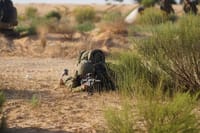
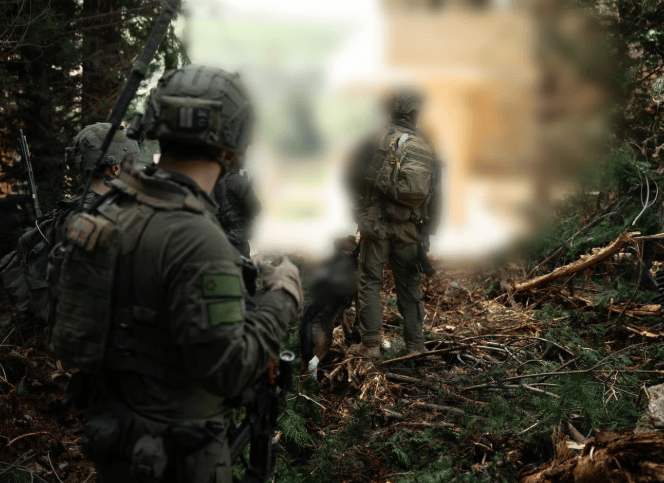
Givati fighters in Lebanon
Givati fighters in Lebanon (Photo: IDF Spokesperson)

The Rome talks, which concluded last week, focused on defining the operational parameters for the pilot zones and establishing verification procedures for Hezbollah disarmament. Israeli officials described the discussions as reinforcing a shared understanding between Jerusalem and Beirut on the imperative of dismantling Hezbollah's military infrastructure south of the Litani River.

The success or failure of the pilot zones will likely determine the pace and scope of further Israeli withdrawals from southern Lebanon. Israeli military sources have made clear that any expansion of the program depends entirely on the Lebanese army's demonstrated ability to prevent Hezbollah from reestablishing positions in areas vacated by the IDF.

Ready for more?

Join our newsletter to receive updates on new articles and exclusive content.

We respect your privacy and will never share your information.

Enjoyed this article?

Yes (37)
No (1)
Follow Us:
1

Unmissable content


Loading comments...

Also of Interest