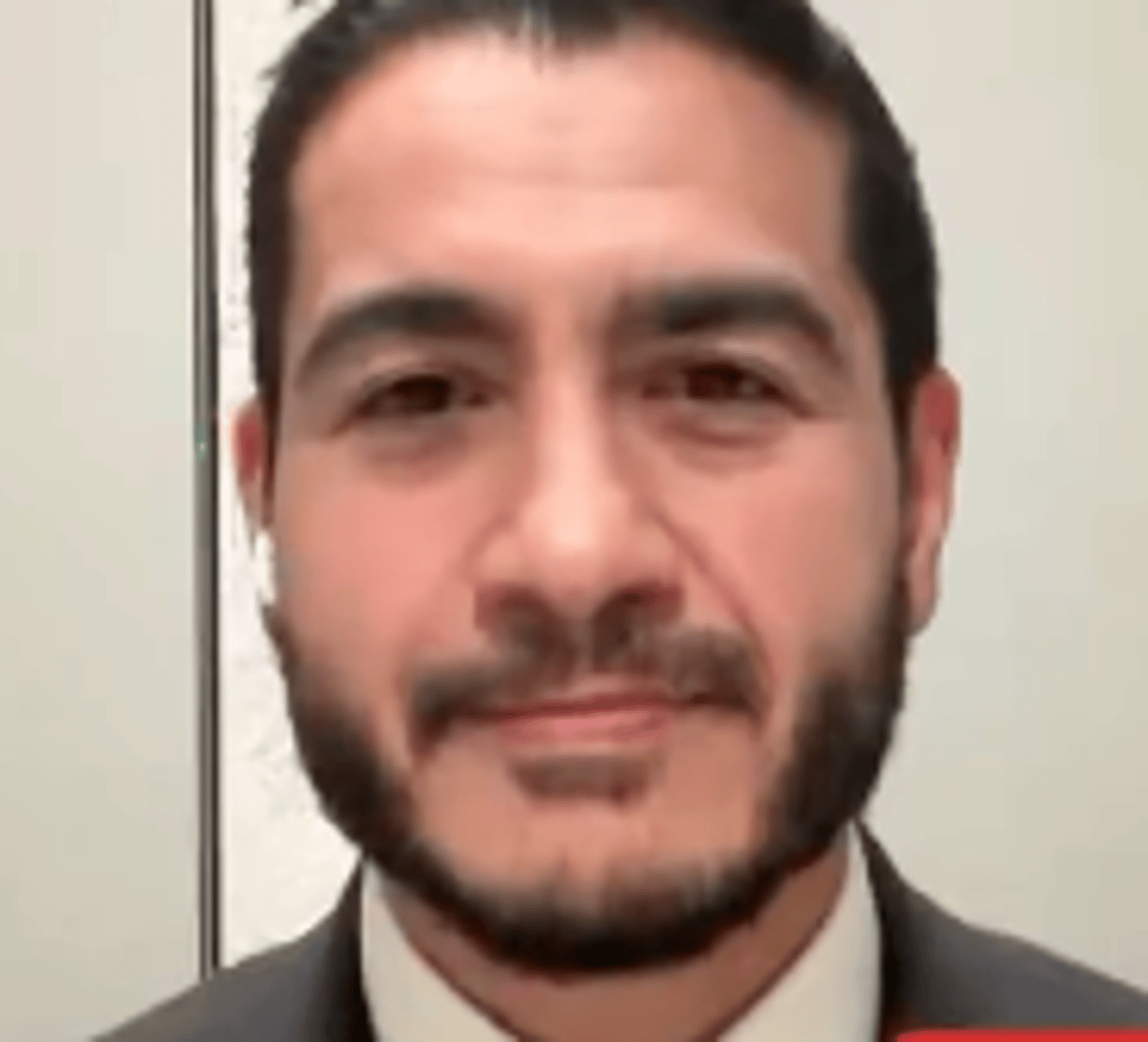
Who Is El-Sayed?
He's a physician, former Detroit health director, and dark horse who just won Michigan's Democratic primary with 48.48% of the vote, barely edging out Rep. Haley Stevens, who had backing from mainstream Democratic figures and pro-Israel groups. The margin was razor-thin, less than 15,000 votes.
He's now the Democratic nominee facing Republican Mike Rogers in what could be a pivotal Senate race in a state with significant Arab American and Muslim populations, communities that have grown increasingly hostile to Democratic support for Israel.
How He Got Here
El-Sayed has been consistent, if extreme, on Israel. He's called the Israeli government "just as evil as Hamas." He said Israel has conducted "genocide" and maintains an "illegal apartheid" system. He's been a vocal supporter of the "Uncommitted" movement, progressive Democrats who refused to back Kamala Harris in 2024 over her Israel stance.
But here's the thing that distinguishes him, while other progressive Democrats have carved out exceptions for defensive weapons, El-Sayed doesn't. He opposes all arms sales to Israel, period.
In April, when asked on CNN whether the Israeli government was as evil as Hamas, he said bluntly: "Hamas, evil. Israeli government, evil. We can say both."
He's also defended his position by framing it through a domestic lens, "Our money should be spent here, rather than sent in the form of bombs or tanks to foreign governments, particularly when they're doing the most heinous things with them."
The Problem for Democrats
This is where it gets uncomfortable for the party.
AIPAC, the American Israel Public Affairs Committee, immediately announced it would oppose El-Sayed after his primary win, targeting what it called his "radical anti-Israel agenda."
But more damaging may be the criticism from within his own party. Jones's comments reflect a broader Democratic anxiety, the party's traditional coalition, Black voters, Jewish voters, mainstream liberals, is being challenged by a new activist base that views Israel very differently.
One Democratic consultant, Julian Epstein, told Fox News Digital: "To my mind, El Sayed is clearly aligned with the Muslim Brotherhood propaganda machine that gives a pass to the butchering of millions of Arabs by extremist Islamist overlords in the Middle East while slandering Israel with lies like 'apartheid' and 'genocide.'"
The Hasan Piker Problem
El-Sayed has also been repeatedly associated with Hasan Piker, a left-wing streamer known for antisemitic comments and support for Palestinian militant groups. They held joint campaign rallies, and when critics raised concerns, El-Sayed and his allies dismissed the criticism as distraction.
That's become a liability. Even within the progressive wing, some Democrats have expressed alarm. James Carville recently called Piker an "idiot" and suggested the Democratic Socialists of America should change its name over the association.
The Primary Numbers Tell a Story
El-Sayed's victory margin hides something important, he got "crushed" with African American voters, according to Democratic analyst Jesse Arm. He lost three-quarters of the Black vote to Stevens.
This is significant because it suggests the coalition fracture Jones is worried about is real and measurable. Black voters, a foundational Democratic constituency, didn't buy what El-Sayed was selling on Israel.
What's at Stake
Michigan is a bellwether. It's a state where the Democratic Party's internal conflicts over Israel actually matter electorally, unlike some deep-blue states, Michigan can swing. It has a large Arab American population that went from reliably Democratic to increasingly alienated. It also has Jewish voters who have traditionally supported Democrats but are watching closely.
The question El-Sayed's campaign is raising, whether intentionally or not, Is the Democratic Party moving left on Israel, or is Jones right that the party is fracturing and the loudest voices don't represent most Democrats?
The Broader Fight
Van Jones's willingness to go public with such sharp criticism is notable. He's not a fringe voice or a right-wing critic. He's inside the Democratic ecosystem, speaking to other Democrats, essentially saying, "This has gone too far."
That suggests the fight over Israel isn't going away, and it's not just about policy disagreements anymore. It's about the soul of the Democratic coalition, who gets to shape it, whose priorities count, and whether the party can hold together when its base wants fundamentally different things.
El-Sayed's response? His campaign didn't return requests for comment.
He'll face Rogers in November. If he loses, Democrats will blame Israel. If he wins, it'll be read as a shift leftward. Either way, the party's internal war just got a whole lot louder.