Somewhere in the IDF's bureaucracy, two branches spent months arguing over who should pay for a box of cards.
While they argued, roughly 20,000 soldiers enlisted, went through basic training, and were assigned to units, without anyone taking a DNA sample from them.
Those samples are not routine paperwork. The IDF collects them so that if a soldier is killed, and especially if a soldier is killed in a mass-casualty event where remains are fragmented or burned, the army can identify the body and return it to a family with certainty. The samples are stored for years. They exist for the worst day of somebody's life.
Right now, thousands of Israeli soldiers do not have one on file.
How it happened
According to a Channel 12 report, the collection stopped because the army ran out of the specialized cards used to preserve blood samples over long periods.
The cards ran out because the Military Rabbinate and the Medical Corps could not agree on which of them was responsible for funding them.
That is the entire explanation. Not a technical malfunction. Not a supply-chain failure. Not a wartime shortage. A disagreement over a line item.
With no budget agreement reached, the stock of preservation materials was fully depleted, and the sampling process was halted outright along the induction chain.
Who is affected
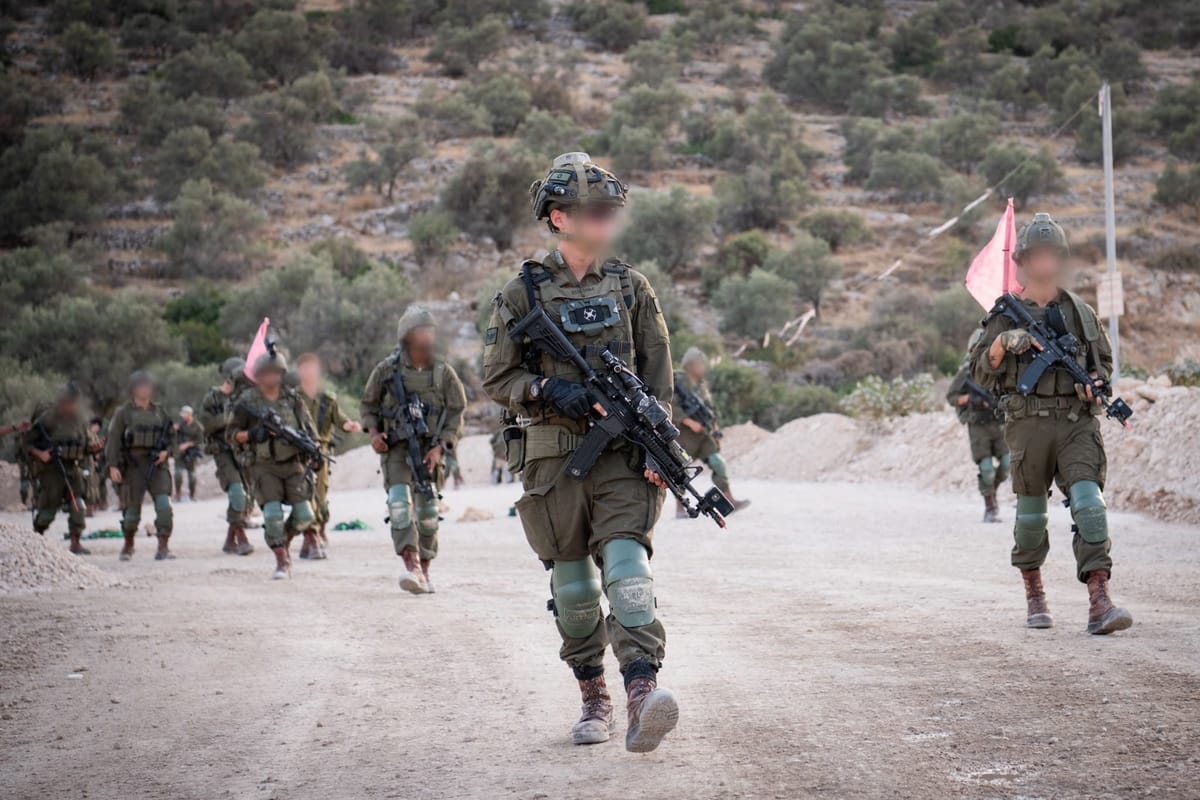
The gap covers the summer draft cycles, July and August, and it includes combat soldiers, men and women, who have already been placed in operational units. Recruits who entered the Golani Brigade in August were reportedly among those who gave no sample.
These are not soldiers sitting behind desks. These are the people the IDF sends first.
"Nobody did anything"
The most damning detail is not that this happened. It is how long everyone knew.
A source familiar with the matter told Channel 12 that the shortage of preservation materials had been known for close to two years, and that nothing was done about it. The source described a situation in which each body shrugged off responsibility and pushed it to the other, calling the state of affairs surreal.
Two years. Through a multi-front war.
The context nobody wants to say out loud
Israel learned what a DNA database is for on October 7, 2023. At Camp Shura near Ramla, the Military Rabbinate processed more than 1,000 victims, and DNA matching was central to identifying remains that could not be identified any other way. Families waited days, and in some cases far longer, for confirmation.
The Military Rabbinate is the body responsible for identifying and burying Israel's fallen soldiers. It is one of the two bodies that could not agree on who pays for the cards.
The IDF now needs to backfill the database for tens of thousands of soldiers who are already in uniform, some of them already deployed. Until it does, the army has an identification system with a hole in it, and the hole is shaped like the summer of 2026.