Get our mobile app
Download on the App StoreGet it on Google Play

Deeds, Not Words

Vance Demands Iran Enrichment Cut to End War

US Vice President JD Vance says Tehran must make a concrete, 'meaningful' cut to uranium enrichment • He asks why Iran needs 60% enriched fuel if it does not want a bomb | A senior Iranian official says Washington's demands are at odds with Tehran's

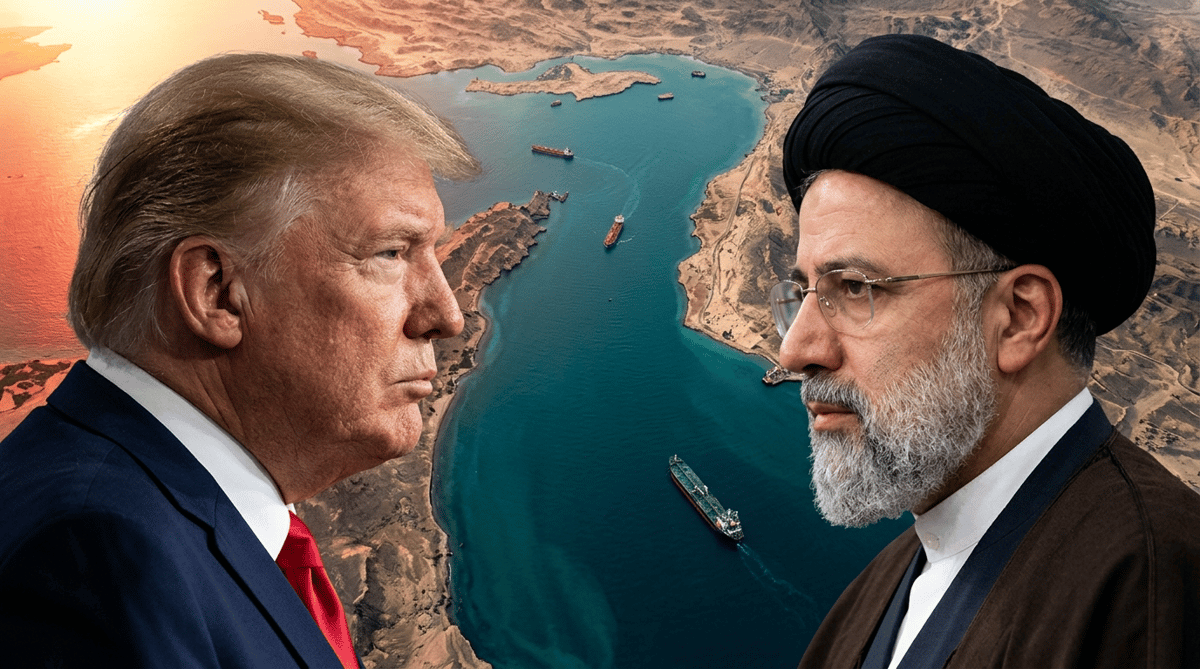
Trump and Khamenei's son

US Vice President JD Vance told Reuters that Washington will not end its seven-month war with Iran unless Tehran makes a concrete, "meaningful" cut to its uranium enrichment capacity. He gave the interview on the same day Israeli President Isaac Herzog told Fox News that Iran "must not have any access to nuclear capabilities at all."

"If you don't want a nuclear weapon, then why do you need 60% enriched fuel? And if you want to show commitment to not building a nuclear weapon, don't build highly enriched fuel. That's a very basic threshold issue," Vance said. "I think if they want to show a commitment to not building a nuclear weapon, they would do something meaningful on their enrichment capacity."

Vance spoke on Monday after a campaign trip to Alaska. He said the US is seeking an actual reduction in Iran's enrichment capacity, not pledges to rein in the program at some future date. He said Washington remains open to a deal. "We're not going to trade words for actions," he said.

Matzav reported that Iran's most recent proposal included demands on the Strait of Hormuz, as well as sanctions relief, access to ports that have been blocked and the unfreezing of Iranian assets. The same report said Trump turned that proposal down.
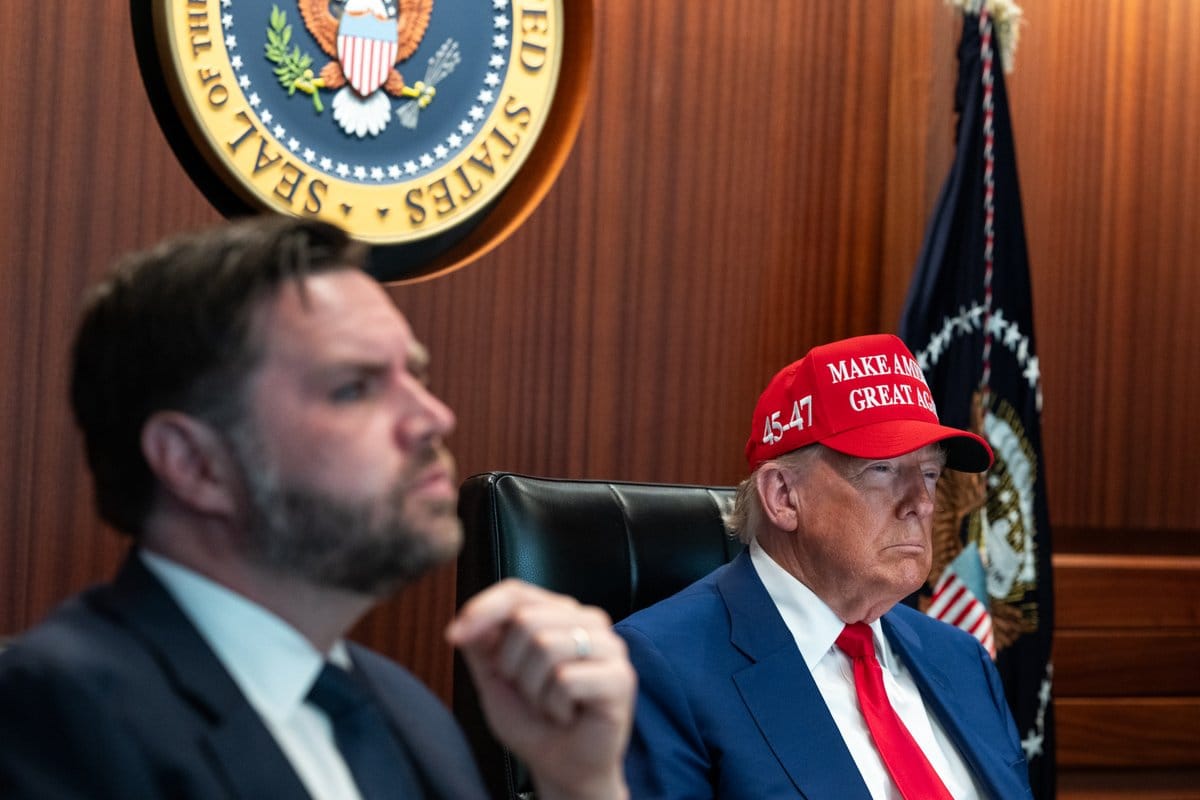

Trump with Vice President Vance in the White House Situation Room
Trump with Vice President Vance in the White House Situation Room (Photo: The White House)

Vance said the US has been in talks with Iranian President Masoud Pezeshkian and Foreign Minister Abbas Araghchi. He said it is not clear how much authority either man holds within Iran's power structure. "One of the things we picked up on is it's not totally clear how their country makes decisions," he said.

Iranian Foreign Ministry spokesman Esmaeil Baghaei rejected that view on Sunday. "The problem is actually the opposite: it lies in the contradictory positions and mixed messaging from US officials," Baghaei said.

Tehran also rejected the enrichment demand. On Wednesday, a senior Iranian official involved in the indirect negotiations told Reuters that "Americans are free to make requests and have ideas, but they are at odds with Iran's demands." The official said no talks on the nuclear program have taken place. He described US recognition of Iran's right to enrich as a red line, but said the details of enrichment could be discussed later.

Vance said he has spoken directly with field commanders about conditions on the battlefield. He dismissed concerns about shortages of critical munitions. He said Iranian forces can still periodically strike commercial ships in Hormuz, but have largely failed to stop energy exports through the strait. Asked whether he is still leading the talks, he said: "We're certainly involved. Ultimately, the president of the United States is driving things."

Herzog told Fox News that countries across the region are cooperating behind the scenes against what he called Tehran's "empire of proxies."

As JFeed reported on Monday, Trump confirmed that threats forced the withdrawal of US B-1 bombers from RAF Fairford in Britain, and Vance pointed to Iran.

Ready for more?

Join our newsletter to receive updates on new articles and exclusive content.

We respect your privacy and will never share your information.

Enjoyed this article?

Yes
No
Follow Us:

Unmissable content


Loading comments...

Also of Interest