Get our mobile app
Download on the App StoreGet it on Google Play

After 12 years behind bars

Ben David, Abu Khdeir killer, dies in jail

The lead perpetrator in the 2014 murder of the Palestinian teenager was evacuated from Sharon Prison after a cardiac event; medical staff pronounced him dead after resuscitation efforts • He was serving life plus 20 years

Yosef Chaim Ben David, Convicted Killer of Mohammed Abu Khdeir, Dies in Prison

Yosef Chaim Ben David, the lead perpetrator convicted of murdering Palestinian teenager Mohammed Abu Khdeir in 2014, died Thursday at age 42. Ben David was evacuated from Sharon Prison to hospital following a cardiac event, and medical staff pronounced him dead after resuscitation attempts failed.

Ben David's death comes roughly 12 years after the murder that sparked intense public outcry across Israel and internationally. He was serving life imprisonment plus an additional 20 years for kidnapping and killing the teenager, as sentenced by the Jerusalem District Court.

The murder took place in July 2014, during a period of severe security tension in Yehuda and Shomron, immediately following the abduction and murder of three Jewish teenagers, Gilad Shaer, Naftali Frenkel and Eyal Yifrach Hy"d, by a terrorist cell. Ben David, together with two other minors from Beit Shemesh including his nephew, set out on a revenge mission on the night the three boys were buried.

The three drove through Jerusalem streets until they spotted 16-year-old Mohammed Abu Khdeir from Shuafat, who was on his way to morning prayers at the mosque. They abducted him violently, drove him into the Jerusalem Forest, beat him with clubs, poured petrol over him and set him on fire while he was still alive.

During his interrogation by the Shin Bet and in a reenactment he performed after his arrest, Ben David described the sequence of events and told investigators the act was carried out as revenge for the murder of the kidnapped boys. "I took him out of the car and threw him here. I grabbed the hammer and said, 'This is for the Fogel family, this is for Shalhevet Pass.' Then I asked them to bring the fuel bottle. I poured it here on everything. One bottle, one liter. I lit a lighter, I didn't think about anything. In one second he was all on fire," he described in the reenactment.

The case was accompanied by extensive public and legal attention. The Jerusalem District Court convicted Ben David of murder, kidnapping and assault, and determined that at the time of the offenses he was not psychotic, fully understood his actions, was responsible for them, controlled them, had no impairment in his judgment of reality and had the ability to refrain from committing the offenses.

In February 2018, the Supreme Court rejected Ben David's appeal of his conviction and his claim of insanity. The presiding judge, Justice Yitzhak Amit, read from the verdict: "The murder can be defined as a strategic attack that set Jerusalem ablaze in general and East Jerusalem in particular. The murder requires sharp soul-searching in Israeli society regarding dealing with the phenomenon of racism and its consequences."


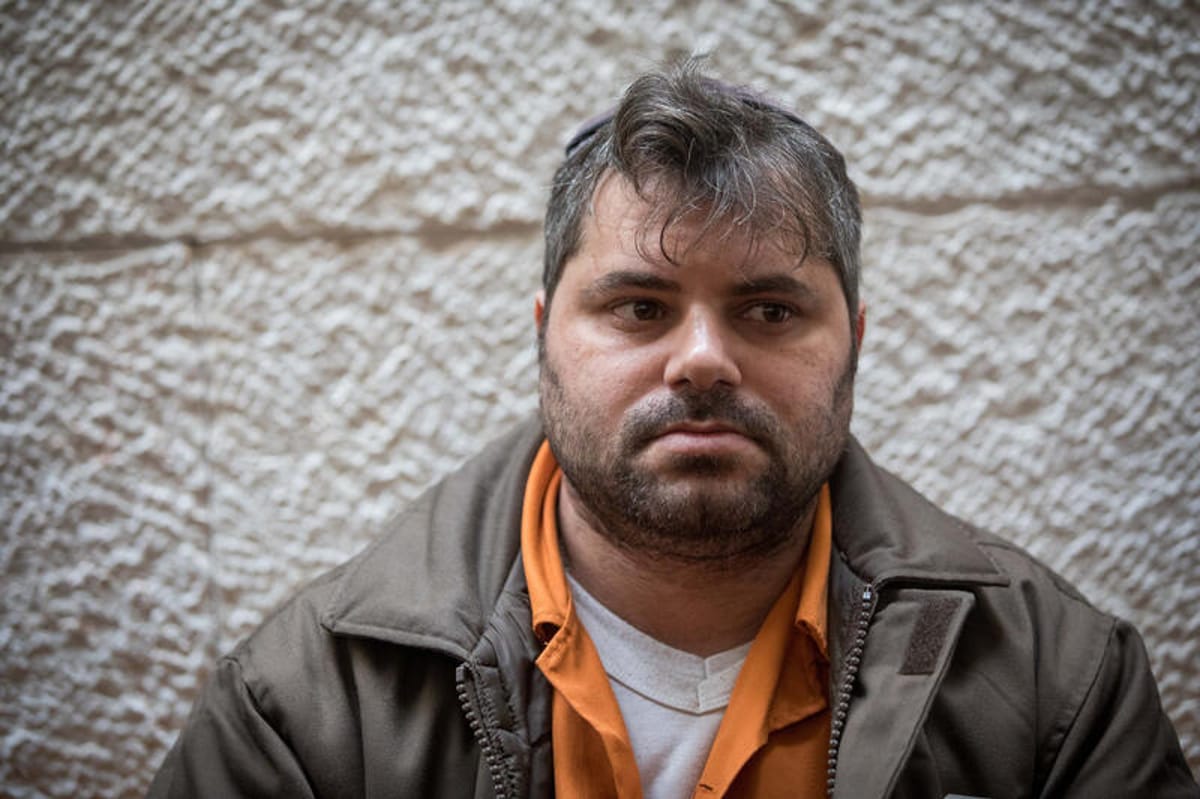
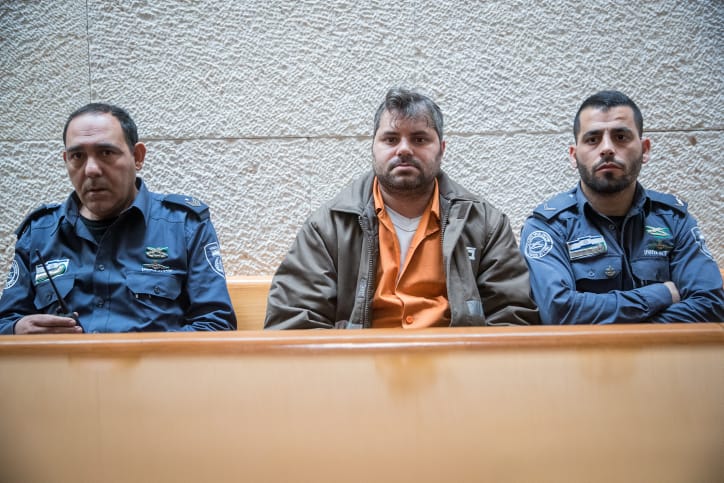
Ben David in court today
Ben David in court today (Photo: Yonatan Sindel, Flash 90)

Ben David's two accomplices also took central roles in the crime and were each sentenced to life imprisonment plus 21 years. The bereaved Abu Khdeir family followed the lengthy legal proceedings with demands for maximum punishment of those involved.

In 2018, the Abu Khdeir family filed a civil damages suit against the three killers for approximately five and a half million shekels. The complaint stated: "There is no doubt that there is no adequate compensation for such a senseless and abhorrent loss of a young person's life, all while the defendants intended to harm the deceased deliberately, to injure him and acted with indifference and cynicism toward the most terrible outcome of all, the death of the deceased in suffering and agony."

During his years of imprisonment, in 2018, one of Abu Khdeir's killers, Yair Ben David, began a hunger strike. In his explanation, he cited as motivation that he "was arrested as a minor, sentenced to life imprisonment without a release date, when he did not actually commit murder." He also claimed that "there are security prisoners who are imprisoned in substandard conditions and suffer from harassment."

Ready for more?

Join our newsletter to receive updates on new articles and exclusive content.

We respect your privacy and will never share your information.

Enjoyed this article?

Yes
No
Follow Us:

Unmissable content


Loading comments...

Also of Interest