Get our mobile app
Download on the App StoreGet it on Google Play

New arrival at the Safari

Safari names leopard after Deni Avdija

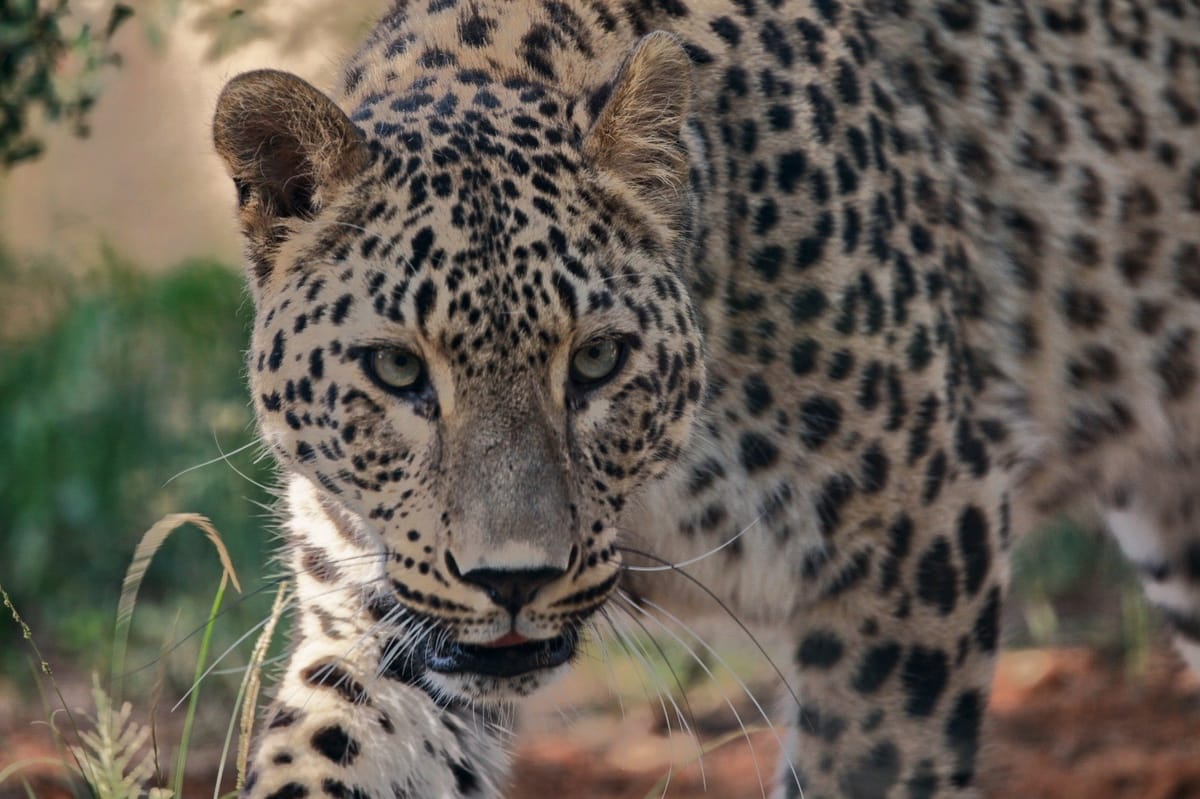
A young male Persian leopard arrived from Sweden and received an Israeli name: Deni, after the NBA star. He joins Noa, the Safari's female, as part of the European breeding program for the critically endangered subspecies.

Deni, the new Persian leopard at Ramat Gan Safari
Deni, the new Persian leopard at Ramat Gan Safari (Photo: Safari spokesperson)

Ramat Gan Safari has a new resident: a young Persian leopard named Astroff, who arrived from the Nordens Ark zoo in Sweden. In Israel, he received a new name: Deni, after Israeli basketball star Deni Avdija.

Deni was born on June 20, 2024, and arrived at the Safari following months of coordination between Ramat Gan and the Swedish zoo. His Swedish handlers describe him as calm, curious and a lover of food. Safari staff are just beginning to know him, but early impressions confirm the description.

The leopard is accustomed to the presence of handlers and has undergone training and habituation to veterinary procedures similar to those used at the Safari. He is also used to visitors, and the Safari hopes he will eventually be easily visible in the outdoor enclosure. His Swedish handlers noted that one of his favorite foods is rabbit meat.

"We chose to name the new Persian leopard after Deni Avdija, who represents excellence, values, perseverance, hard work and success," said Hila Feldman Gera, Safari spokesperson. "Deni has achieved extraordinary accomplishments and became the first Israeli selected to the NBA All-Star Game. He proves that success doesn't come by chance, but through determination, investment and belief in the path."

"These are exactly the values we connect with at the Safari, in our daily work and in our efforts to conserve endangered species. We hope the new leopard will also contribute in the future to the success of the breeding program and the conservation of this rare species, and we are happy to give him the name of an inspiring Israeli athlete," Feldman Gera added.
Deni Avdija was moved by the gesture and promised to visit the Safari: "It's not every day a leopard is named after you. It's a great honor and a gesture that really touched me. Thank you to the Safari, and I'm already looking forward to meeting Deni the leopard."

Deni's arrival at the Safari is not random. He was selected as part of the European Association of Zoos and Aquaria (EEP) conservation and breeding program for Persian leopards, as the intended mate for Noa, the Persian leopard living at the Safari, in the hope that the two will produce cubs.

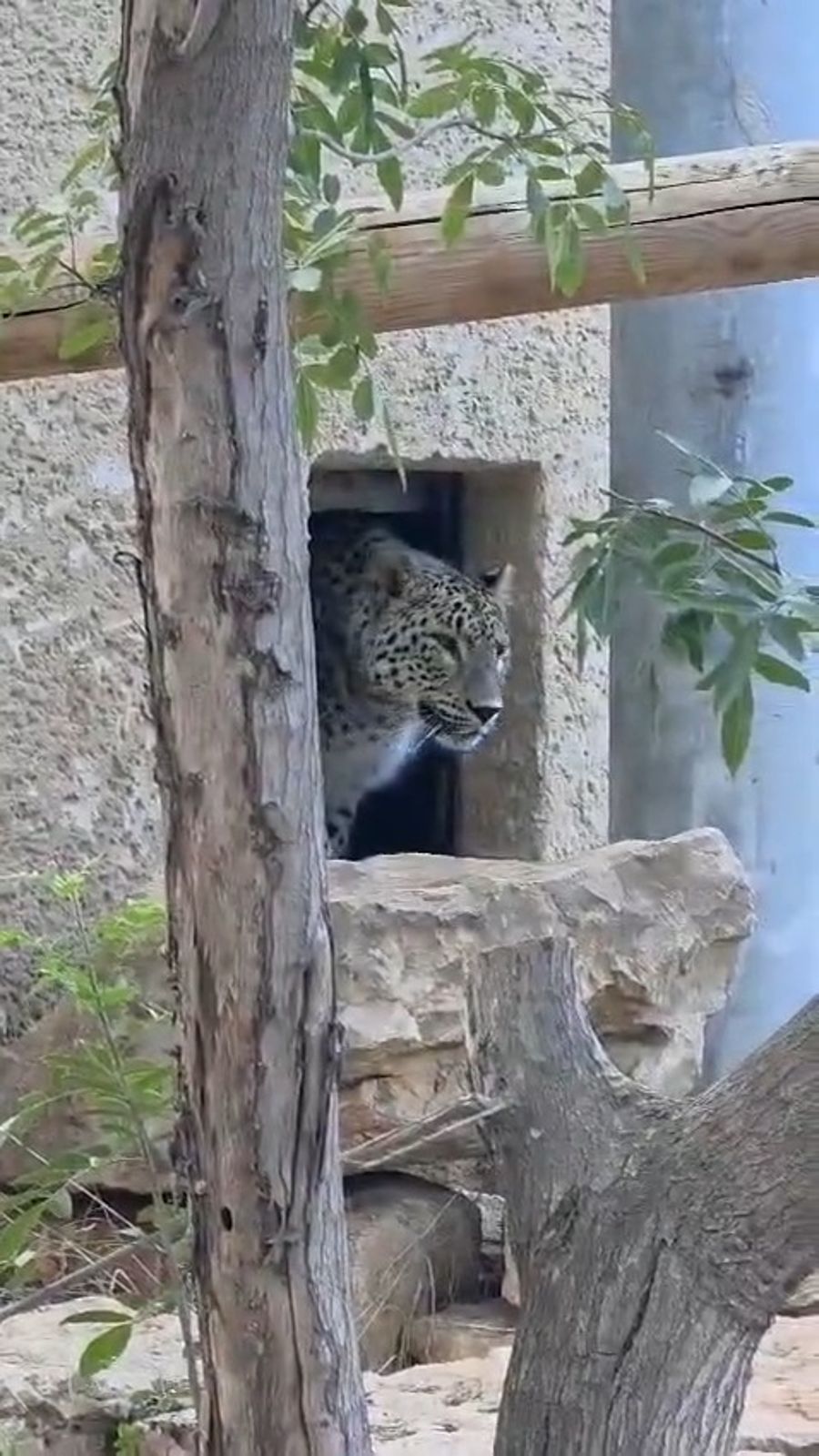
In his first days after arrival, Deni will remain in the night house, where he will be given time to quietly adjust to the new environment, the sounds, the smells and the staff. Once he feels safe and calm, he will gradually be allowed outside.

The leopards will not meet immediately. First, Deni will become accustomed to Noa's scent and to her presence nearby. Only later, depending on the behavior of both leopards, will a gradual introduction process begin.

The Safari previously housed a Persian leopard named Koresh, who arrived from the Athens zoo in 2018 and was also part of the European conservation and breeding program. Koresh died at the end of 2025 from an intestinal disease.

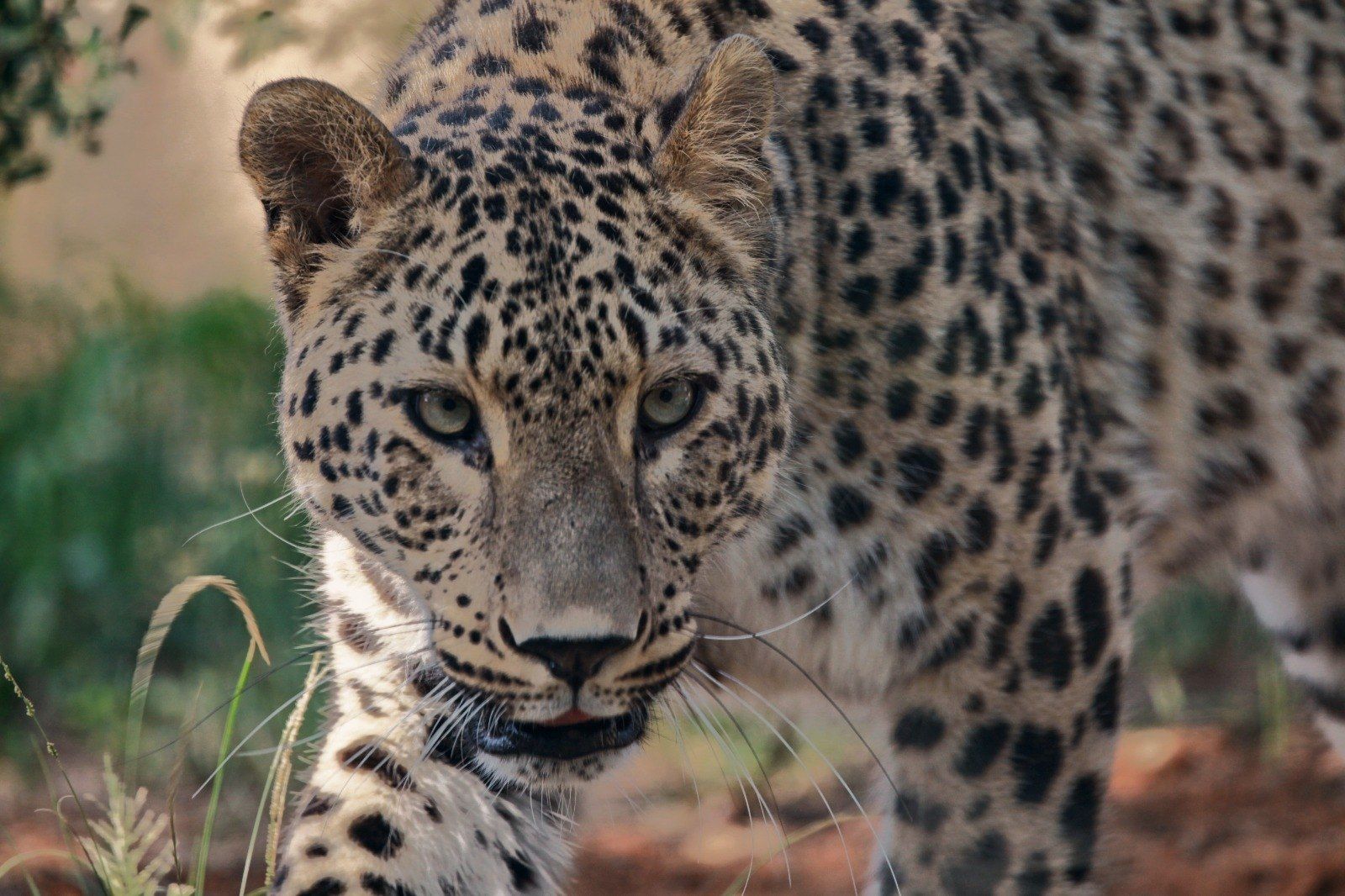
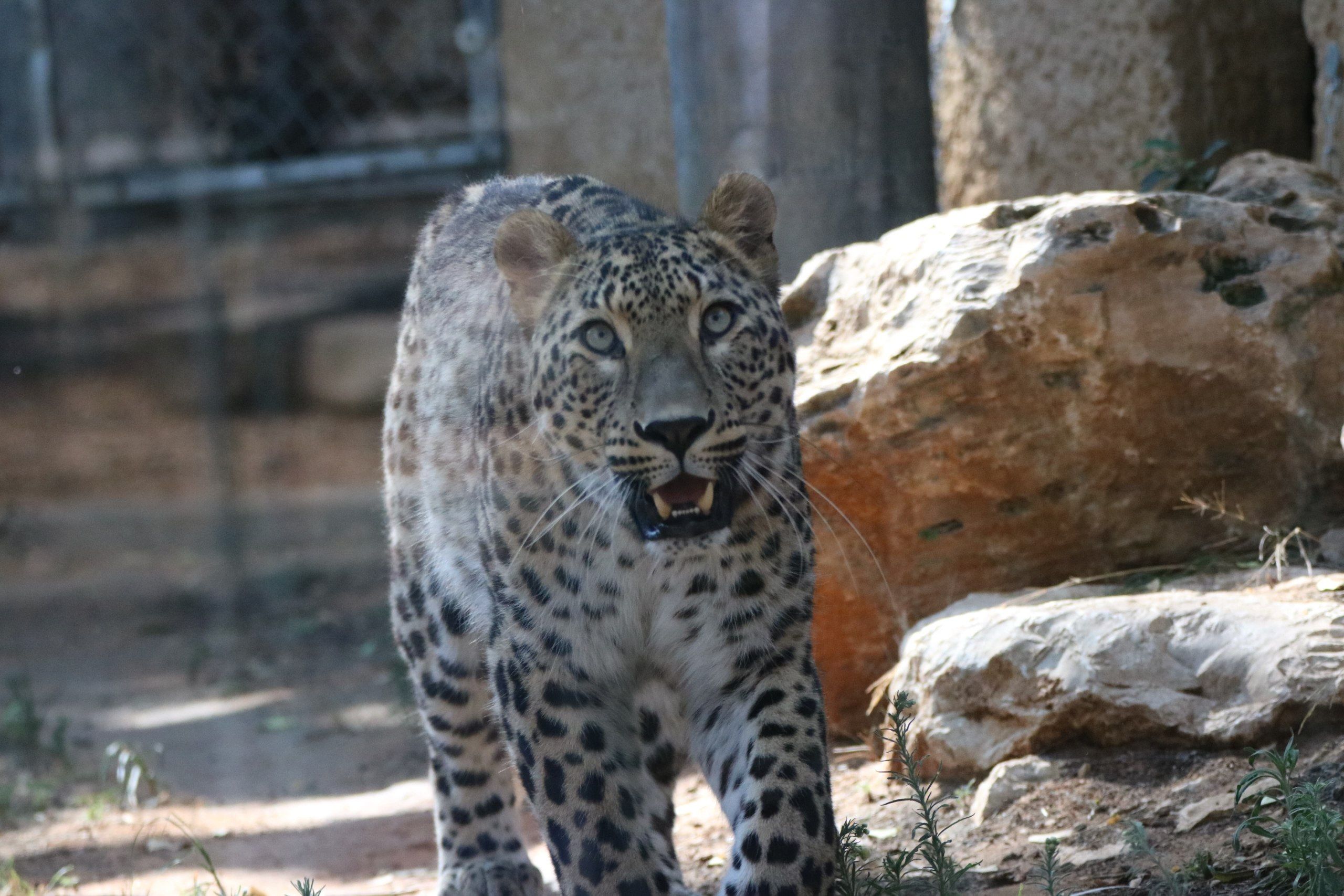
Deni, the new Persian leopard at Ramat Gan Safari
Deni, the new Persian leopard at Ramat Gan Safari (Photo: Tzachi Filosof)
Deni, the new Persian leopard at Ramat Gan Safari
Deni, the new Persian leopard at Ramat Gan Safari (Photo: Tzachi Filosof)

The Persian leopard: an apex predator in danger of extinction

Leopards are among the most important animals in the ecosystem. As apex predators, they help regulate populations of other animals, including herbivores and rodents. Among other things, they prey on weak and sick individuals, playing an important role in maintaining ecological balance.

The Persian leopard is one of the largest subspecies of leopard and lives mainly in mountainous regions. Today it can be found primarily in Iran, which holds most of the world population, as well as in Afghanistan, Armenia, Azerbaijan, Georgia, Turkey, Turkmenistan, parts of Iraq, Pakistan and other areas in Central Asia.

The Persian leopard population has shrunk dramatically, and today it is found in only about 16–28% of its historical range. According to estimates, only about 750–1,044 Persian leopards remain in the wild, of which about 450–626 are mature individuals. The global population is in decline, and the subspecies is classified as Endangered.

Ready for more?

Join our newsletter to receive updates on new articles and exclusive content.

We respect your privacy and will never share your information.

Enjoyed this article?

Yes
No
Follow Us:

Unmissable content


Loading comments...

Also of Interest