
Iran, the Jewish Eraser
Erasing History: The Ancient Jewish Community Iran Just Wiped Off the Map
Investigate how Iran systematically took control of Damascus's ancient Jewish Quarter, transforming a 2,000-year-old community's heritage into an Iranian stronghold in Syria's capital.

A special investigation reveals the painful story of Damascus's ancient Jewish community, which was almost entirely eradicated, and the systematic manner in which Iran has taken over its historic assets deep within the Syrian capital.
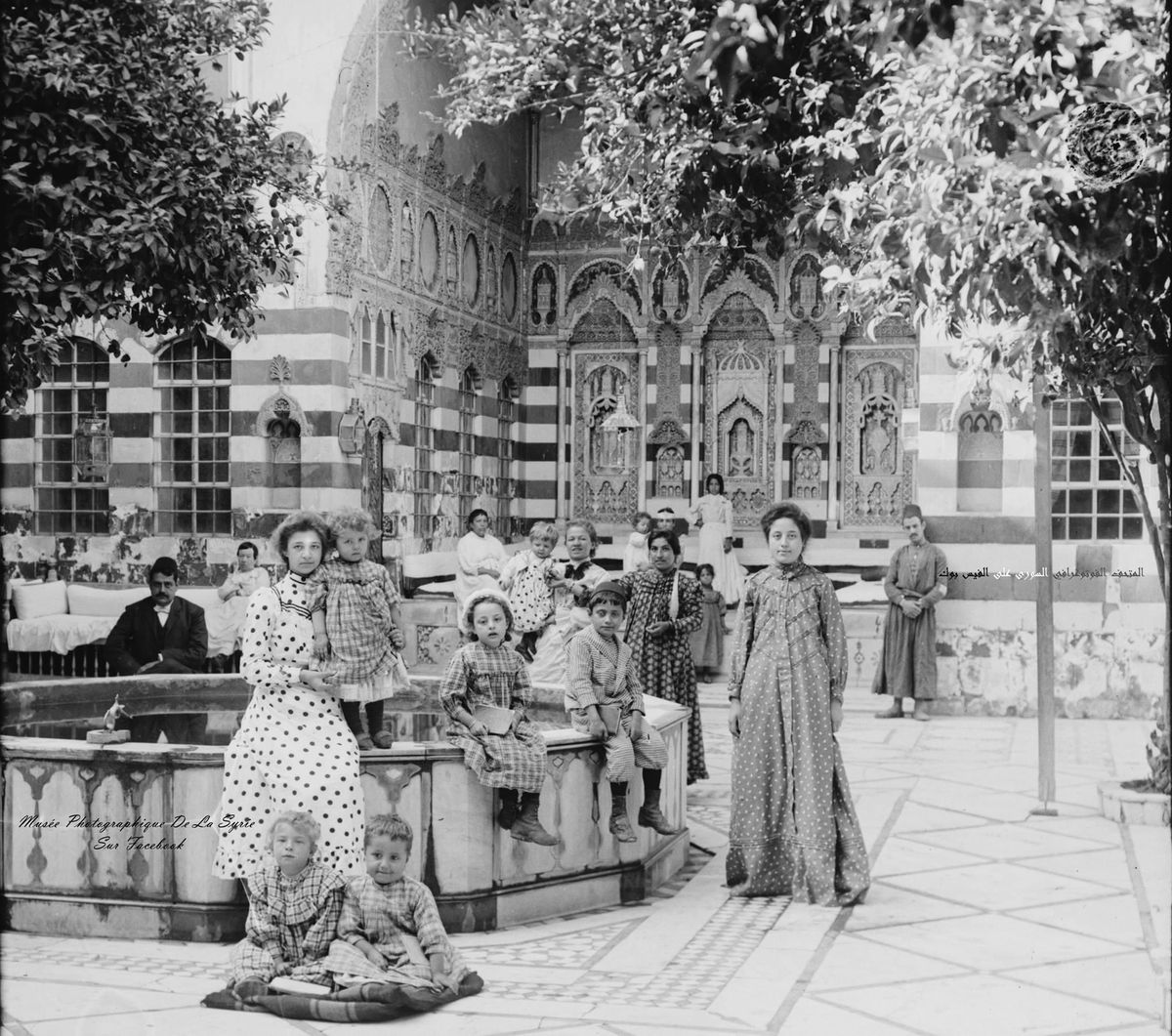
The historic alleyways of the Hay Al-Amin neighborhood in Damascus were once a vibrant center of Jewish life, filled with synagogues, courtyards, and children speaking Hebrew and Arabic. Today, this neighborhood, the former Ancient Jewish Quarter, has become a potent symbol of abandonment and the "quiet conquest" being led by the Islamic Republic of Iran at the core of Syria.
The Eradication of a 2,000-Year-Old Community
The Jewish Quarter of Damascus was one of the most colorful and important centers in the history of Eastern Jewry. Its homes featured unique Damascene architecture, with traditional arches and wooden balconies. However, behind the neighborhood’s rusted doors lies a painful history of exodus.
In the 1990s, under the rule of Hafez al-Assad, an agreement was signed that finally allowed Syrian Jews to leave the country. The ancient community, which had resided there for over two millennia, left almost entirely, some immigrating to Israel, others to the United States. Today, the once-magnificent quarter is home to a mere handful of remaining Jews.

Iran Steps Into the Void
The arrival of the Syrian Civil War provided the opportunity for Iran's takeover. Bashar al-Assad, Hafez's successor, formalized a blood-pact alliance with Tehran. To compensate Iran for the hundreds of Iranian casualties suffered during the conflict, assets in Damascus were transferred to Tehran's control, a number of them located within the deserted Jewish Quarter.
Initially, these agreements were presented as temporary leases. However, the Iranians have remained long after the expiration of those terms. The former Jewish neighborhood has thus been quietly transformed into an Iranian enclave, part of the larger Shia sphere of influence that cuts across Syria, Iraq, and Lebanon.
Living Under a Silent Occupation
Local residents describe the atmosphere under the Iranian presence as oppressive. Under the former regime, citizens feared even photographing the streets. The neighborhood has been filled with closed Iranian compounds and strict prohibitions against documentation.
While the fall of the Assad regime has brought a measure of perceived freedom to the general population, the signs of Iranian presence remain palpable on every corner.
The story of the Jewish Quarter in Damascus is more than mere nostalgia. It serves as a painful reminder of the fate of Jewish communities erased from the region and the stark reality that, in today's Middle East, those who do not safeguard their heritage risk losing it to others. Iran is not only fighting with missiles; it is quietly taking over the homes, streets, and memories of another people.