A stark and troubling economic contradiction is emerging in parts of the Gaza Strip, where reports of widespread hunger and potential famine coexist with signs of limited commercial life returning to devastated neighborhoods.
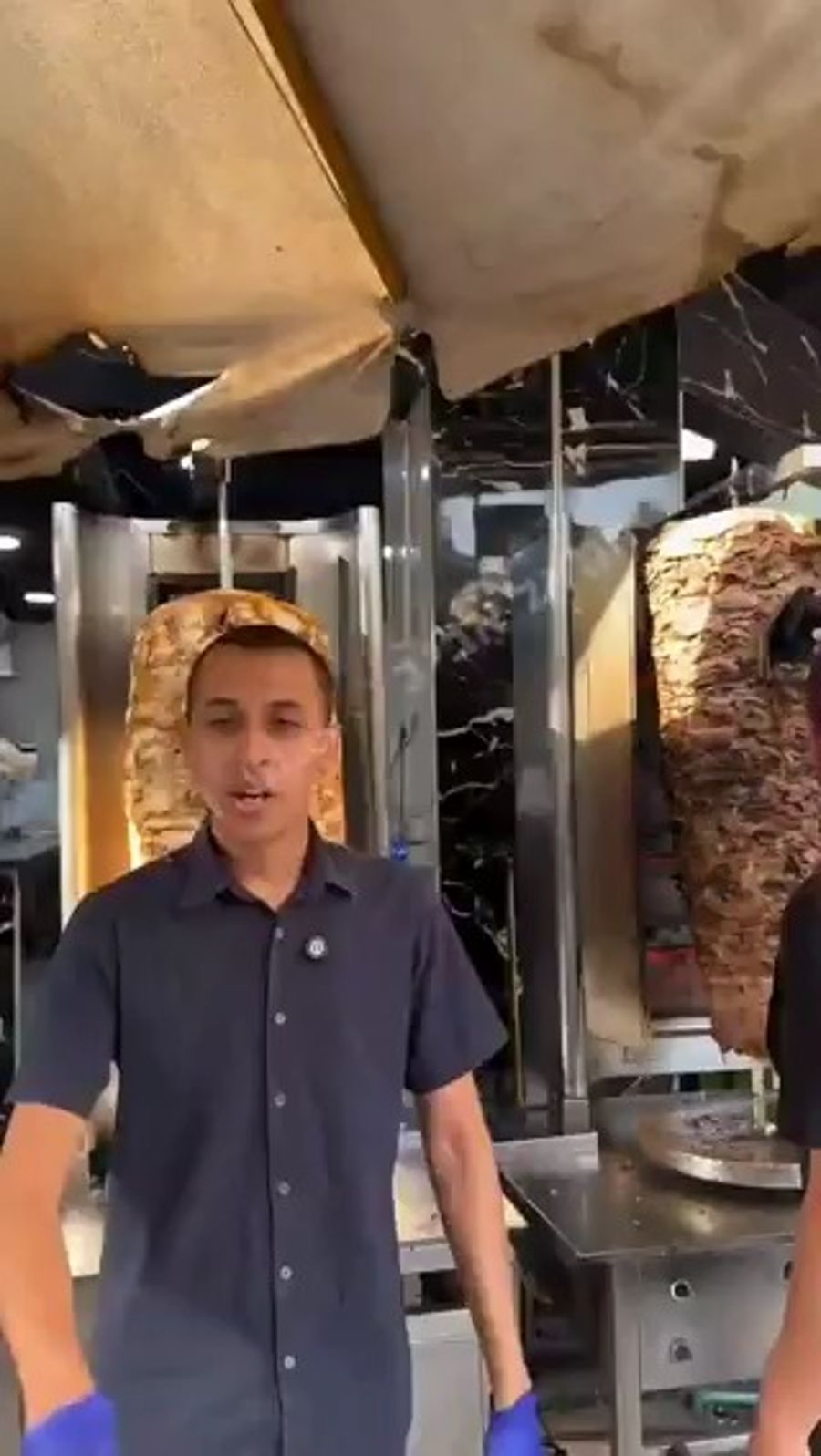
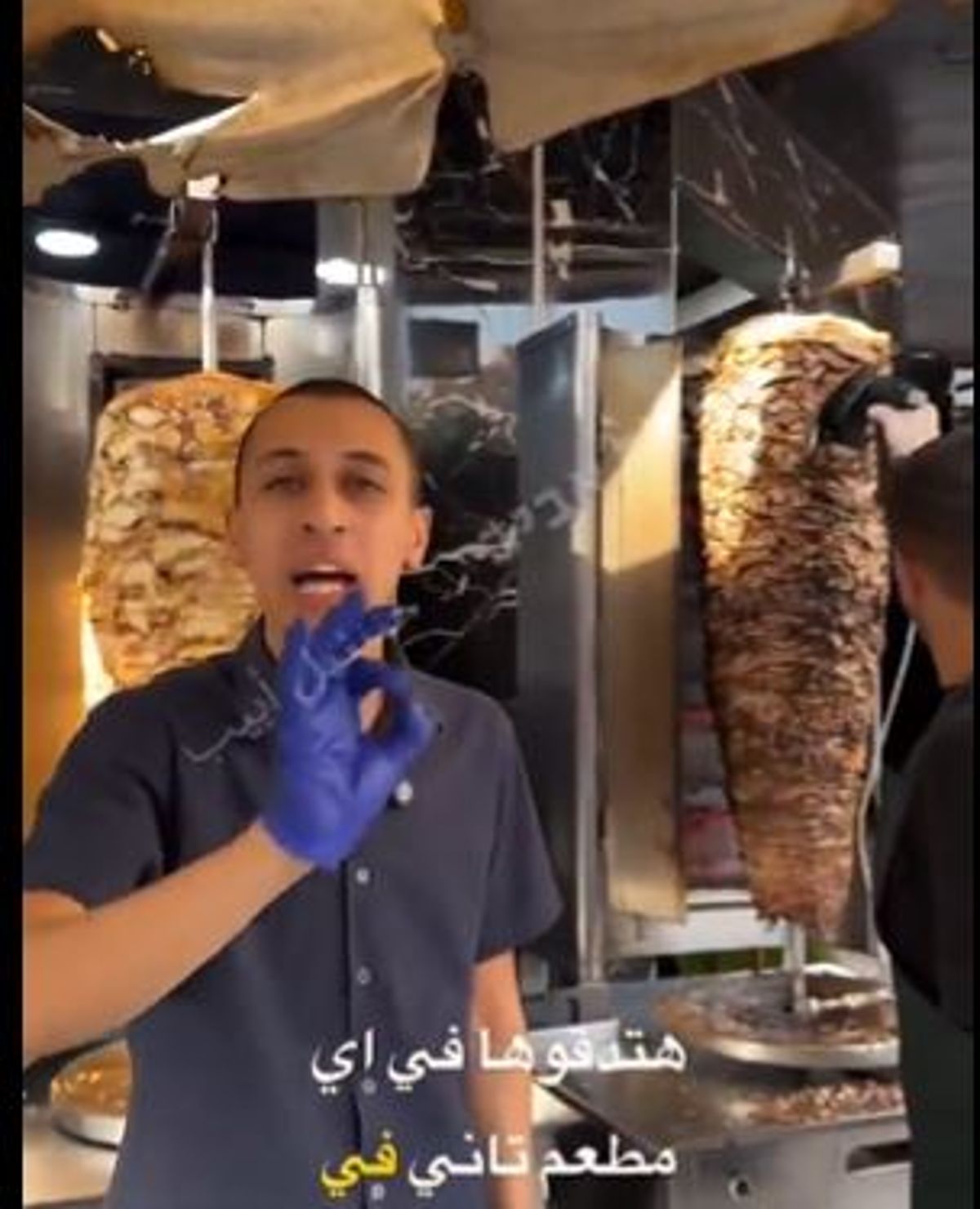
The anecdotal evidence suggests a partial resurgence in the food supply chain, with reports indicating that more shawarma stands and restaurants are reopening in specific areas, including Gaza City’s Rimal neighborhood and Deir al-Balah in the central area. The Strip is reportedly now stocked with meat and frozen products of nearly every kind.
The Paradox of Plenty and Poverty
This influx of goods is a direct result of the recent scale-up in humanitarian aid, limited commercial imports, and illicit scams, which has seen essential items like frozen meat, fresh produce, and cooking gas cross the borders.
The renewed presence of shawarma, a relatively expensive commercial meal, stands as a stark contrast to the humanitarian reality in some parts in Gaza Strip.