
Hamas War Secrets Unfold
They Don't Want You to Know: Why 'Hamas Disappearing' Is the Biggest Lie of the War
Analysis reveals Hamas maintains significant control in Gaza despite IDF operations, with expert warning of the group's strategic plans to take over the Palestinian Authority.

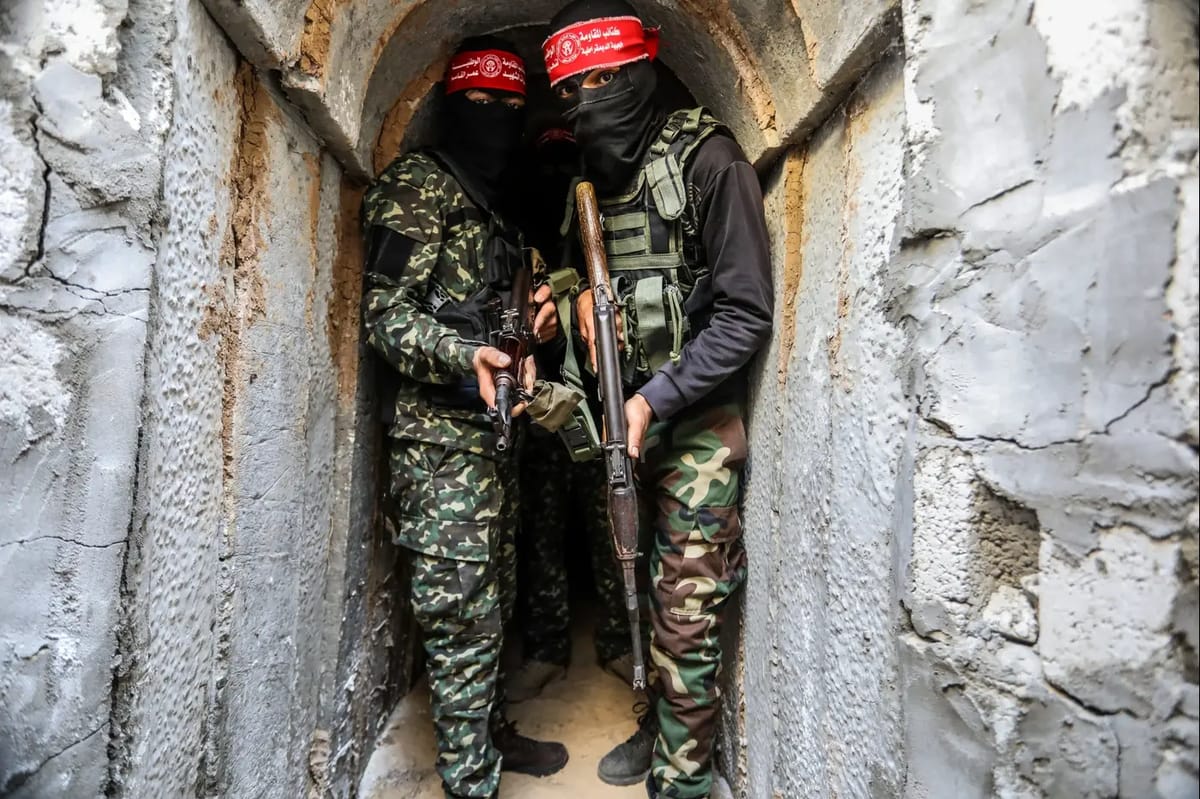
Two years into the conflict, the notion that Hamas is on the brink of collapse is a dangerous delusion, according to one leading expert. Eyal Ofer, a specialist in the terror group's economy, has issued a stark warning that Hamas is planning for the long game, aiming to seize control of the Palestinian Authority (PA) within the next five to ten years.
Speaking on 103Fm Sunday, Ofer underscored the continuing strength and control of the organization, which still governs the Gaza Strip and holds Israeli hostages, despite Israel's prolonged military operation.
The Price of War and Hamas's Resilience
Ofer argued that Israel's intense military campaign has come at a steep price in the international arena, suggesting that Jerusalem could have maintained a stronger position had it not permitted the return of 800,000 evacuated civilians to Gaza City following the initial ground invasion.
While Israel's operations have reportedly "crumble[d]" Hamas's civil infrastructure, eliminating police officers and financial personnel over the last six months, the military wing remains largely intact. Ofer noted reports suggesting the terror group still commands between 10,000 and 20,000 fighters, with unconfirmed intelligence indicating some are being moved, along with their weapons, to the designated humanitarian zone of al-Mawasi and the central Gazan area of Deir al-Balah.
Rejecting Israeli Overtures and Long-Term Strategy
Hamas's current strategy, Ofer contends, is focused on securing an end to the current conflict. "This is the most important thing for Hamas," he explained, citing reports from Gazan channels. He noted that Hamas is monitoring Israeli operations closely, specifically citing bombings in the Shati refugee camp and the Sabra camp.
A key sign of the group’s control came after reports circulated that Israel had offered humanitarian aid to two prominent clans in Gaza, similar to assistance provided to anti-Hamas armed groups like the Popular Forces led by Abu Shabaab. According to Gazan sources, the clans outright rejected the Israeli offers and publicly aligned themselves with Hamas, demonstrating the terror organization's continued social dominance.
Ofer cautioned Israeli officials against short-term thinking, stressing that Hamas's public acceptance of an arrangement where they are formally removed from power in Gaza is merely a tactical concession.
"Hamas has said it clearly," Ofer stated. "It understands that formally, it will not remain in power in Gaza. In the short term, Hamas will agree to expert committees. They will say, 'We will not act against the Arab forces that will enter,' but Hamas always thinks in the long term."
He concluded with a sobering assessment: "They actually plan to take over [the PA] within five to ten years... All the talk about Hamas disappearing is disconnected from reality."