
Taking Hamas Down

The Silent Weapon: Why Israel's Most Potent Tactic Is Not What You Think

 Israel's strategic use of civilian displacement in Gaza it's being used as a pressure tactic against Hamas, with insights from security sources on its effectiveness and impact.

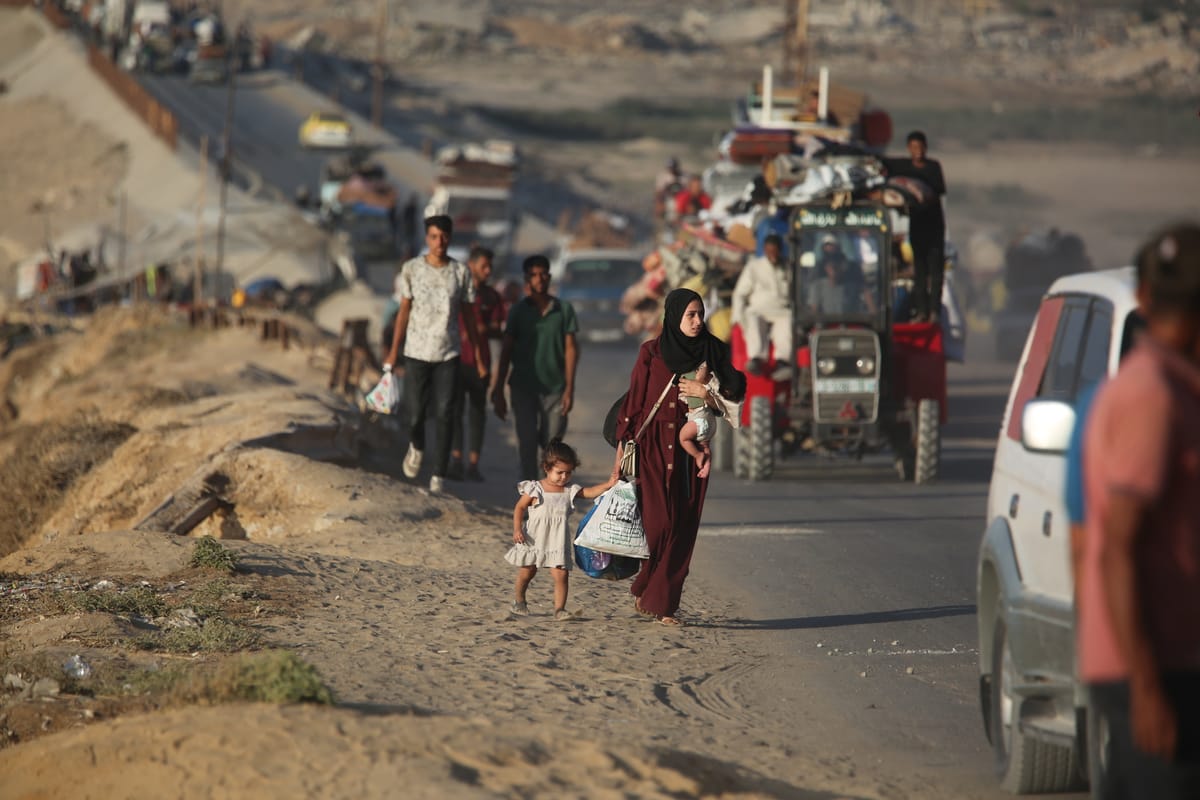
A truck towing a cart and transporting evacuees fleeing southbound from Gaza City moves along the coastal road.
A truck towing a cart and transporting evacuees fleeing southbound from Gaza City moves along the coastal road. ( Photo by Ali Hassan/FLASH90)

As Israel’s military campaign in Gaza intensifies, a new and unexpected strategy is emerging as a key factor in the conflict: civilian displacement. According to a senior Israeli security source, the mass movement of Gazan residents, not the number of casualties, is what is truly pressuring Hamas and could lead to its eventual "breaking point."

The source, speaking to the Israeli news outlet Walla, explained that once more than 500,000 Palestinians from northern Gaza and Gaza City have moved south, the internal pressure on Hamas will become unsustainable. The strategy, dubbed a "silent weapon" by some analysts, is designed to challenge Hamas’s control and governance over the strip.

The IDF’s Southern Command, in a Thursday morning assessment, noted that a recent surge in overnight strikes has accelerated the southward movement of the population. According to IDF data, an estimated 400,000 Palestinians have already left their homes in the north, moving toward a designated humanitarian zone.
Loading...
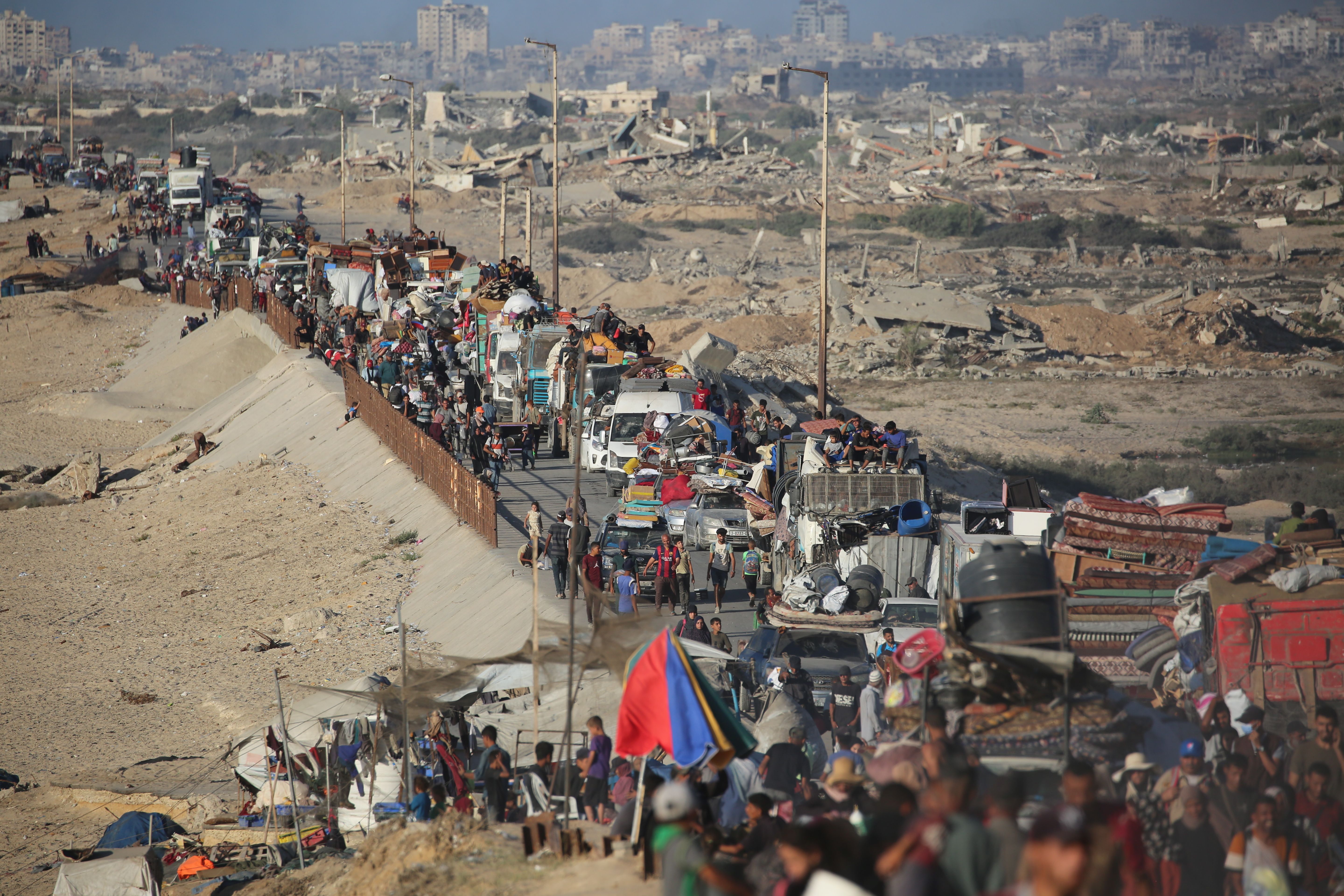
Gazans flee Gaza City

The 'Nakba' and Rising Internal Anger

The security source emphasized that this mass movement taps into a deep-seated fear within the Hamas leadership.

"The movement of the population... is what most frightens the Hamas leadership," the source stated. "Because in their minds the word 'Nakba,' the disaster, the catastrophe describing the 1948 War of Independence and the refugee phenomenon, is burned in."

As civilians flee their homes, the source continued, they encounter immense practical challenges. The lack of functioning roads, money for transportation, and basic supplies like tents are creating widespread anger and resentment.

"There is no money for tents, and then there is resentment and anger that is directed toward Hamas," the source said, highlighting how these frustrations erode the group's authority.
Ready for more?

A Shifting Dynamic of Power

Hamas, according to the security source, is not only concerned with its military strength but also with its ability to govern the Gaza Strip. The mass exodus of civilians directly challenges this power dynamic.

"The more people move south, the more power Hamas loses," the source explained. "As the IDF’s military pressure in Gaza City increases, the pressure on the population will make them move, and Hamas will be backed into a corner. Then the chances of a deal grow."

This assessment counters the conventional view that military losses alone would be enough to cripple Hamas. The source added that Hamas is far more concerned with the southward movement of the population than with the number of its operatives killed in combat, even if the death toll reaches into the thousands.

Loading...
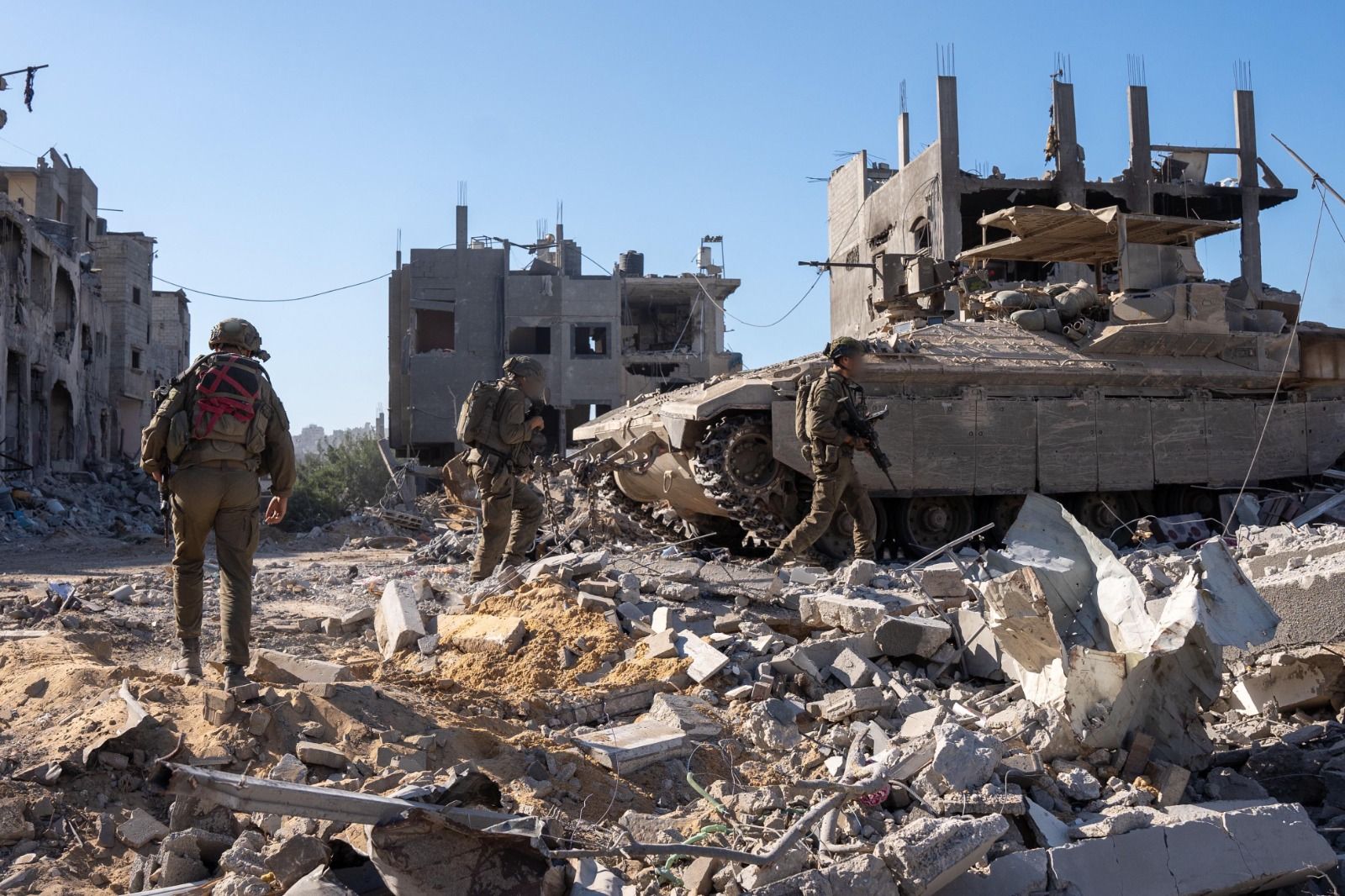
IDF operating in Gaza (photo: IDF Spokesperson Unit)

A Calculated Strategy

The IDF's fire on Gaza City is part of a deliberate and structured plan, according to the security source. This strategy, approved by Southern Command head Maj.-Gen. Yaniv Asor, is designed to move the population south in stages to avoid chaos and maximize pressure on Hamas's governance.

In response, Hamas is reportedly working around the clock to prevent the public from moving south, using both media messaging and force on the ground. However, with the numbers of displaced Palestinians steadily rising, the security source remains confident.

"The assessment is that once more than half a million Palestinians have moved to al-Mawasi and the coastal area in the south, criticism of the Hamas leadership will intensify to the point where signs of its collapse may begin to appear," the source concluded. "This will be a breaking point."
Ready for more?

Join our newsletter to receive updates on new articles and exclusive content.

We respect your privacy and will never share your information.

Enjoyed this article?

Yes (456)
No (18)
Follow Us:

Loading comments...