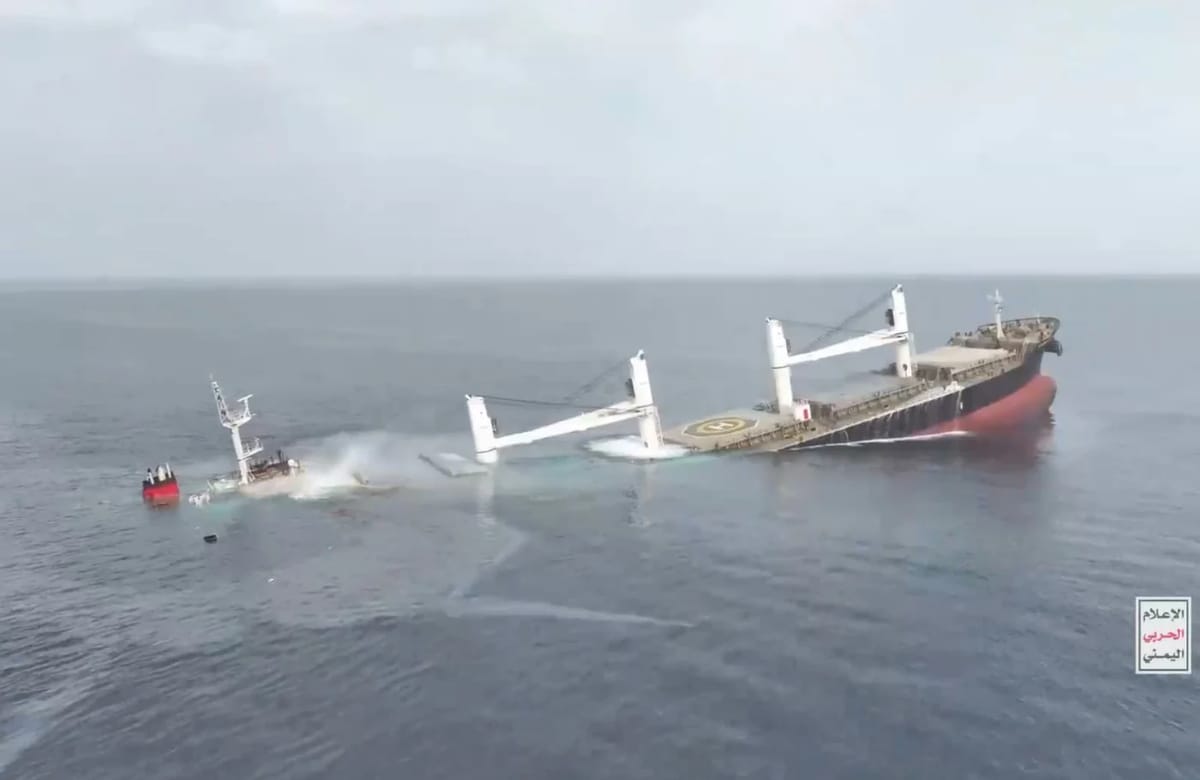
The delicate diplomatic framework surrounding the imminent Switzerland peace accord faces a volatile new challenge following a series of aggressive proxy maneuvers along the southwestern coast of the Arabian Peninsula. While official state actors within the Islamic Republic of Iran maintain a cooperative public posture to facilitate the fast approaching fourteen point memorandum of understanding, regional tracking networks confirm that proxy factions have abruptly reignited active hostilities. International maritime monitoring organizations, specifically the United Kingdom Maritime Trade Operations agency, reported a high stakes engagement in the international waters of the Red Sea, where armed insurgents executed a coordinated, multi boat assault against a vulnerable commercial transit vessel navigating near the strategic entrance of the Bab el Mandeb Strait.
The naval escalation materialized when a group of heavily armed combatants operating high speed attack craft rapidly closed the distance with a merchant carrier, attempting to execute a hostile boarding maneuver under the cover of localized light arms fire. The vessel's onboard private maritime security team responded instantly with defensive kinetic measures, initiating a fierce exchange of automatic machine gun fire that successfully suppressed the advancing assault craft and forced the raiders to abort their interception attempt. Maritime intelligence analysts suggest that this sudden, localized resurgence of kinetic activity constitutes a deliberate tactical maneuver orchestrated by regional proxy networks to extract late stage concessions from Western negotiators, exploiting the deep political divisions currently fracturing the American domestic landscape regarding the long term costs of the peace deal.
This aggressive maritime friction introduces severe complications for the White House, which has spent the week aggressively defending its controversial diplomatic roadmap against accusations of total systemic capitulation from allied defense establishments. While the primary fourteen point text guarantees complete freedom of navigation and the elimination of sovereign naval blockades within the Persian Gulf and the neighboring Strait of Hormuz, the document remains conspicuously silent regarding enforcement mechanisms against decentralized proxy assets operating outside official Iranian territorial waters. As a result, defense planners in Jerusalem and Washington warn that regional groups are actively exploiting this precise structural loophole, utilizing independent coastal operations to maintain a persistent threat over vital international energy corridors while allowing the central political authority in Tehran to maintain complete deniability ahead of the formal Friday signing ceremony.