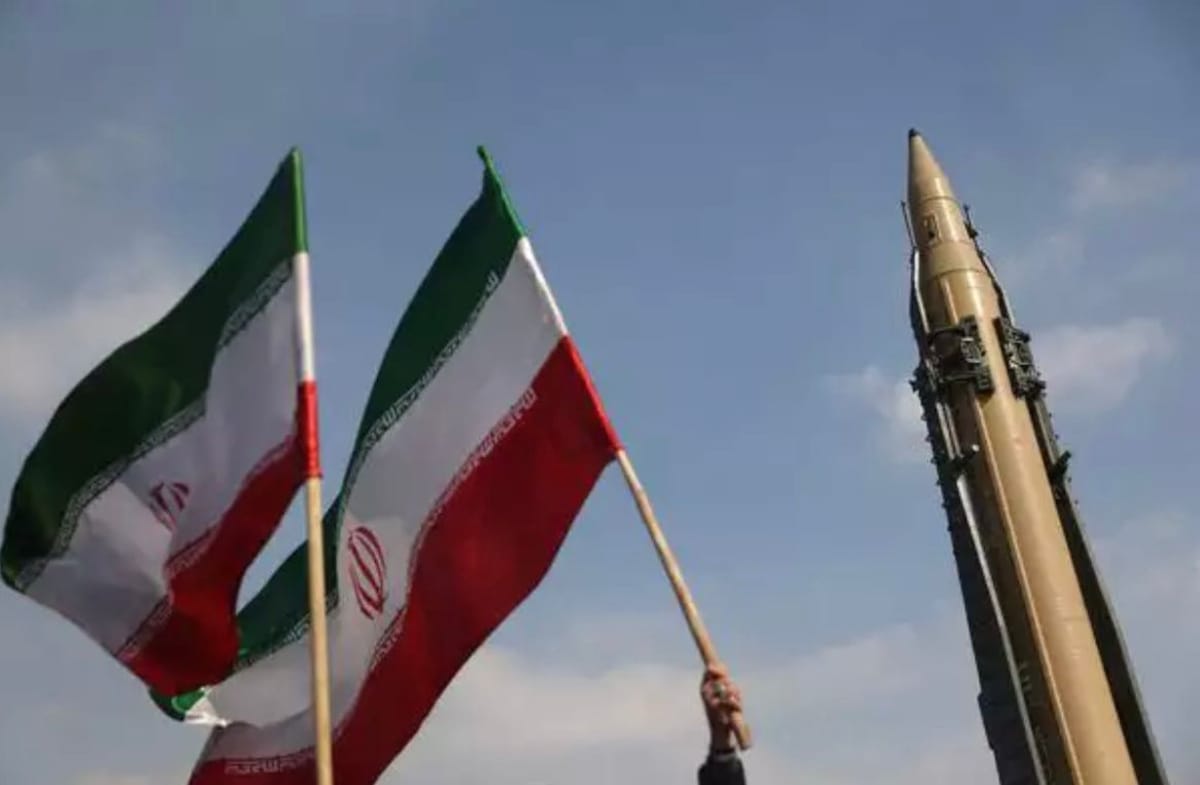
The Iranian government has reportedly activated a comprehensive emergency plan designed to manage the country under the conditions of a prolonged and gruelling war. According to reports from the Fars news agency, this strategy was formulated well before the outbreak of hostilities and focuses on the central distribution of essential goods and the redirection of all national resources toward the industrial and defense sectors. While the regime publicly claims to be more prepared for a long war than the United States, Western intelligence sources provide a different perspective. Reports from the Wall Street Journal suggest that the frequency of Iranian ballistic missile launches is currently in decline, with some analysts believing the regime may only be able to maintain its current firing rate for a few more days before exhausting its frontline supplies.
The Emergency Management Plan
The newly implemented emergency plan grants the Iranian President and various executive levels sweeping powers to manage the nation’s economy and public needs. Two economists familiar with the program told state media that the plan "takes into account all the needs of the public in war conditions and in a way that will assist in managing the country." The focus is on ensuring that the population has access to essential products while the bulk of the country's outputs are funneled into the military-industrial complex. Ali Larijani, Secretary of the Supreme National Security Council, reinforced this posture of resilience, stating, "Iran, unlike the United States, was prepared for a long war."
Decreasing Missile Fire: Strategy or Exhaustion?
Western officials are closely monitoring the sharp drop in the number of ballistic missiles being launched from Iranian territory. There are two competing theories for this decline. One suggests that the joint American and Israeli strikes on launch sites and production facilities have successfully crippled Iran’s ability to sustain high-volume fire. The other theory is that the regime is intentionally "saving inventories" to ensure they have enough capabilities to survive a long-term war. A Western source noted that even if the capacity to launch sophisticated ballistic missiles is severely damaged, Iran still possesses the ability to carry out cheaper, more numerous attacks using drones, which are harder to target on the ground.
The Battle of Attrition
As the regime prepares its citizens for a long-term struggle, the reality on the ground remains precarious. The decline in missile launches suggests that the initial strikes by the coalition have had a tangible impact on the regime's offensive reach. However, if Tehran successfully pivots to a war of attrition using low-cost drones and economic rationing, the war could enter a more grinding and unpredictable phase. For now, the Iranian leadership is betting on its ability to outlast the political will of the West, while the coalition continues its systematic effort to ensure the regime runs out of weapons long before it runs out of time.