Iran's Rapid Missile Resurgence
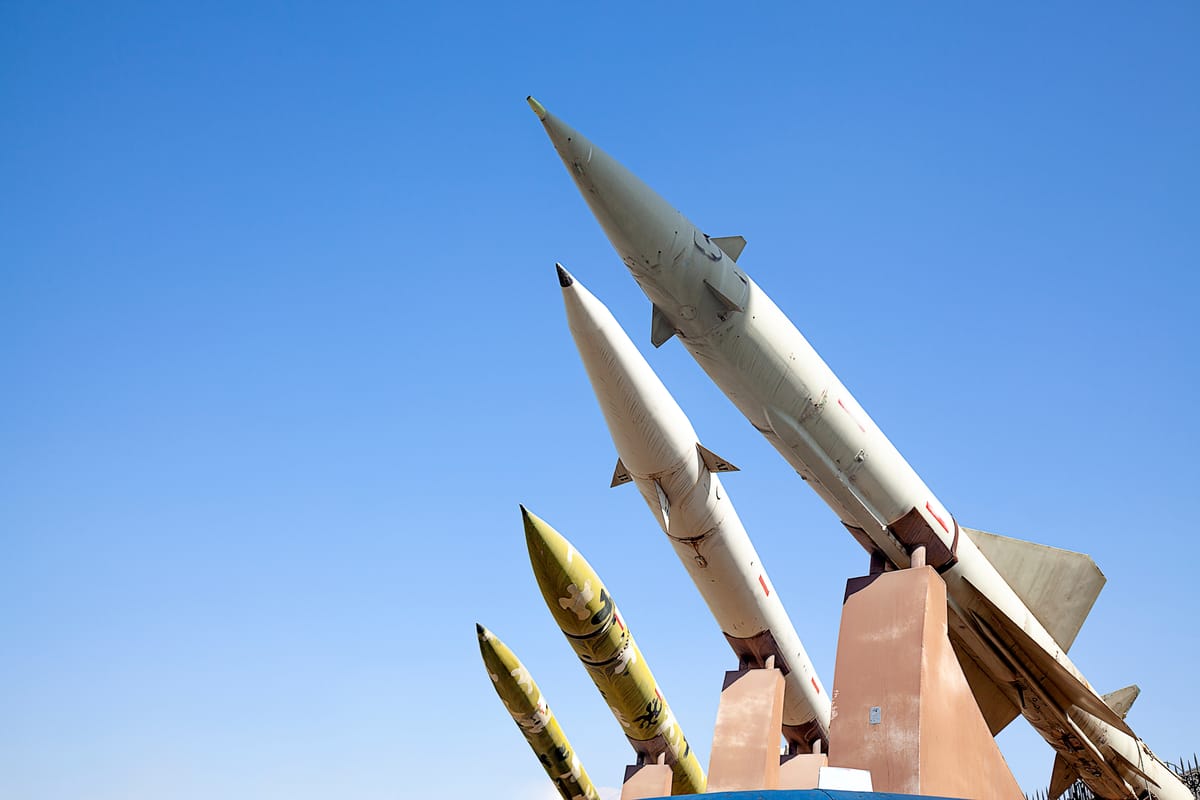
A confidential briefing presented by an IDF representative to the Knesset's Foreign Affairs and Defense Committee has exposed critical security developments concerning Iran and Hamas. The representative revealed that Iran has returned to producing ballistic missiles at a high rate, a little more than six months after the "12-day war" between Israel and the Islamic Republic in June.
This intelligence aligns with warnings from Western sources, who have recently claimed that Iran has prioritized the reconstruction of its ballistic missile program. These sources cautioned last month that Iran has resorted to older manufacturing methods after Israeli actions severely damaged its planetary mixers. They warned that in a future confrontation, Iran might attempt a massive saturation attack, launching between 500 and 1,000 missiles at Israel simultaneously.
Western diplomats, familiar with regional tensions, noted that while they do not see a significant effort by Iran to renew its nuclear program, "the highest priority for the Iranians is to restore the ballistic missile program." They added that communication channels have been used to warn Iran that Israel has no interest in attacking again, but Tehran’s response suggests mistrust, raising concerns about a dangerous "miscalculation" by Iran.
The increased production comes amid reports of major Iranian military exercises, including a two-day drill by the naval forces of the Islamic Revolutionary Guard Corps in the Persian Gulf. This exercise involved a "massive launch" of cruise missiles (Qader 110, 380, and 360 models) and a "302" ballistic missile, all reportedly hitting dummy targets with "high precision."
Hamas Rearms and Contingency Planning
The closed Knesset discussion also addressed the situation in Gaza. The IDF representative revealed that Hamas is exploiting the current ceasefire to rearm itself across all aspects of force buildup, including training, combat doctrine development, and the production of new weaponry.
When questioned by Knesset members, the IDF representative confirmed that in the event President Donald Trump's comprehensive peace plan for Gaza fails, the IDF is actively formulating an operational plan for the defeat and dismantling of Hamas. The representative stated that the plan is currently "in the design stages."
Adding to the complexity, the committee was told that President Trump is determined to move to Phase Two of the Gaza agreement before Christmas. The discussion also highlighted international friction, with Turkey pressuring the US to be involved in the international stabilization force, a proposition Israel staunchly rejects.
Escalation Fears and Turkey’s Role
The recent military maneuvers and intelligence suggest that another round of military escalation between Israel and Iran may occur sooner than anticipated. Just this week, a senior European ambassador cautioned that while the US is unlikely to give Israel a "green light" for a broad attack on Iran soon, an "Israeli military action in Iran" could happen within the next year. The ambassador noted that Washington fears a major attack could jeopardize American reconstruction plans for Gaza.
The Iranian military exercises, including an international one with Shanghai Cooperation Organization members focused on "counter-terrorism," were reportedly aimed at sending a message of "peace and friendship" to neighbors, while simultaneously warning Iran's enemies, primarily Israel, that "any error in calculation will lead to a decisive response."