As Iran's rulers escalate their violent suppression of widespread unrest that erupted in late December 2025, reports from inside the country reveal a particularly cynical strategy. Security forces are pressuring families of those killed in the protests to publicly state that their relatives were members of the Basij paramilitary force, loyal to the regime, and died at the hands of protesters rather than government gunfire. The apparent purpose is to transform civilian deaths into regime propaganda, inflate the count of supposed security force losses, and portray the demonstrations as attacks by violent agitators.
Testimonies gathered through Iranian anti-regime networks abroad describe how operatives coerce relatives into signing official documents, accepting posthumous Basij "membership," and even appearing on state television to recite fabricated stories. Families face threats tied to the return of bodies, including demands for exorbitant "bullet fees" ranging from thousands to tens of thousands of dollars, depending on what officials assess the family can pay. In some cases, one family reportedly paid over £8,000, while another was asked for £16,000 plus a signed false statement. Refusal often means the body remains withheld, or worse, is buried secretly without family consent.
This cruelty extends beyond paperwork. Authorities have detained medical professionals who treat wounded protesters, raided hospitals to seize records, and arrested doctors and nurses to deter care and destroy evidence of injuries from live ammunition. Hospitals have been overwhelmed, with reports of mass casualty scenes and security forces removing patients post-surgery for detention. One doctor described dozens of gunshot victims being taken away by Revolutionary Guards after treatment, leaving their fate unknown. Such actions violate medical neutrality and create widespread fear, preventing injured people from seeking help.
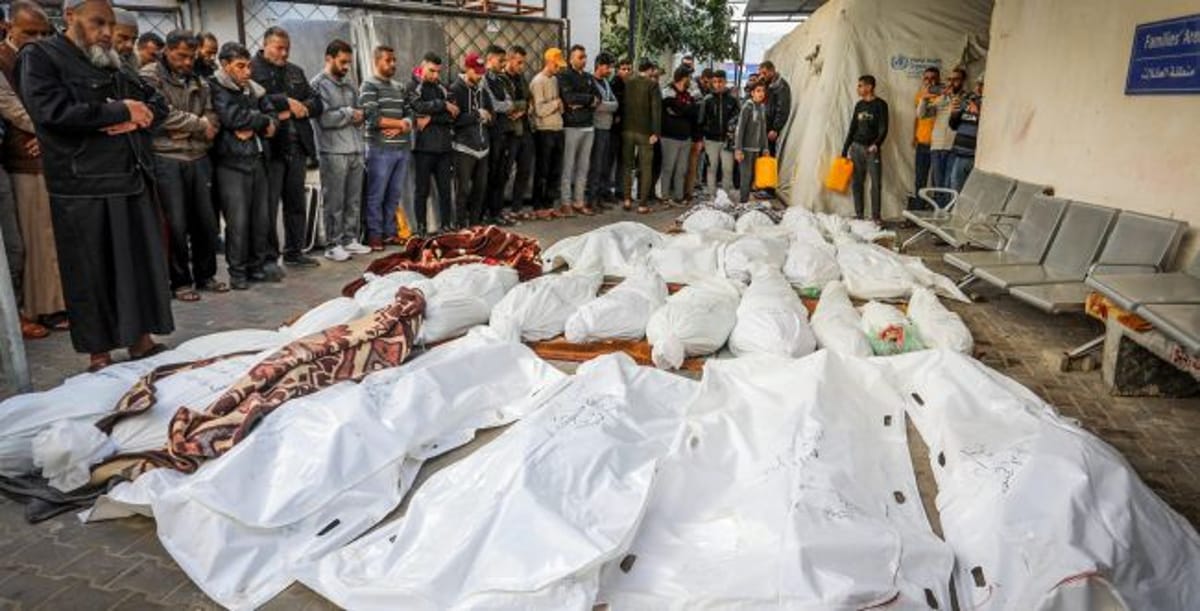
Broader efforts to conceal the scale of the violence include mass burials in hidden locations, bodies transported in unconventional vehicles like ice-cream vans, and piles of corpses overwhelming morgues. In Tehran's Kahrizak facility, families have faced chaotic scenes searching through body bags for loved ones. Some reports indicate hasty burials far from hometowns to avoid large gatherings, and persistent communication blackouts hinder verification and family contact.
The United Nations Human Rights Council has responded by adopting a resolution extending the Independent International Fact-Finding Mission on Iran for two years and the Special Rapporteur's mandate for one year. The resolution explicitly calls for an urgent investigation into the violent repression, which has resulted in thousands of deaths, including children, along with arbitrary arrests, enforced disappearances, and other violations. It condemns the extrajudicial killings and urges Iran to cease such acts and uphold its human rights obligations.
Independent estimates place the civilian death toll far higher than the regime's official numbers, with some sources citing figures exceeding 12,000 to 33,000 killed during intense crackdowns, particularly around January 8-9, 2026, when internet access was fully severed. Human rights monitors document patterns of indiscriminate shootings, often to the head or torso, and the regime's habit of labeling victims as "terrorists" or security personnel to deflect blame.
Meanwhile, the Iranian government continues to fund and arm terrorist groups like Hamas, Hezbollah, and Palestinian Islamic Jihad abroad, even as it unleashes deadly force against its own citizens demanding basic freedoms. One father's words capture the raw pain: "I did not raise my son to die for dictators. He had no role in the IRGC, Basij or any part of the regime." Another family faced the demand to claim their son was a Basij member killed by protesters, or pay heavily for his remains. A relative recounted officials saying, "Either pay 1 billion tomans for us to hand over the body to the family, or you have to say he was a member of the Basij and was martyred for public security and against the riots."
These accounts, though hard to verify fully due to Iran's severe restrictions on information, fit a documented pattern of state efforts to control the narrative after the violence ends. By attempting to enlist the dead into the regime's ranks on paper and screen, Tehran not only covers up crimes but seeks to weaponize the victims against the very movement mourning them. Going out into the street has become, in the words of one message from inside Iran, equal to suicide under this relentless repression.