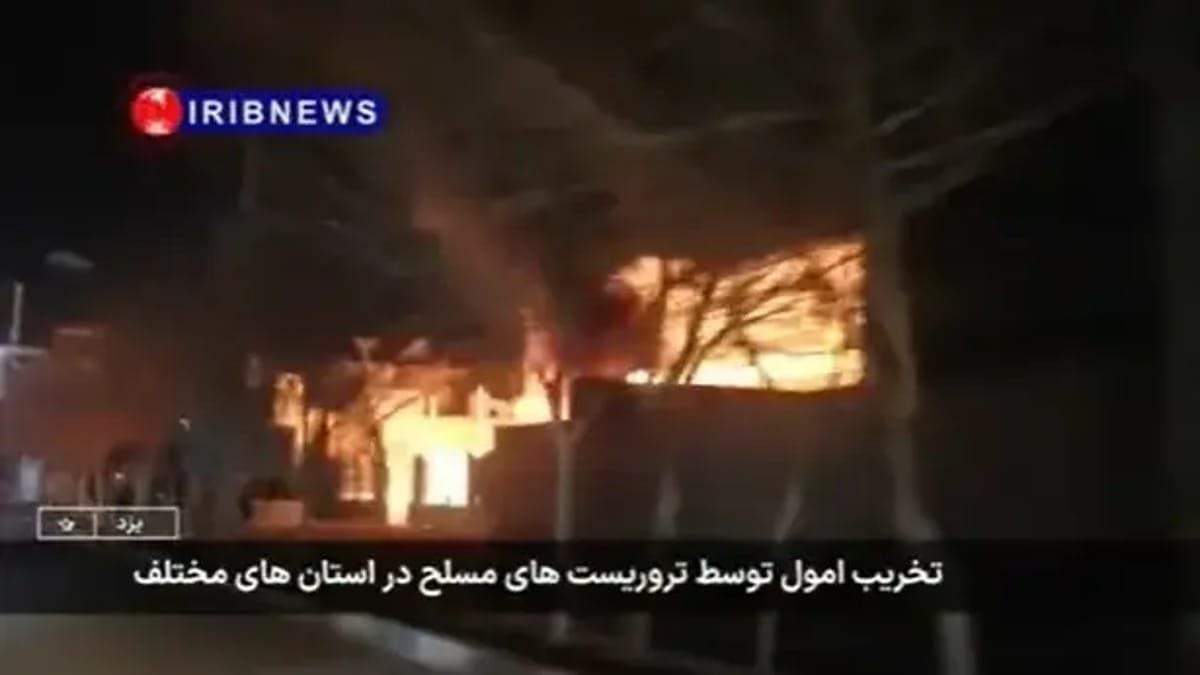
The Iranian city of Rasht became the site of a modern day massacre on January 8 and 9, as security forces allegedly trapped hundreds of protesters inside a burning historic bazaar and gunned down those attempting to flee the flames. Following weeks of escalating strikes fueled by a collapsing economy and 40 percent inflation, the protests in Rasht reached a violent crescendo when the regime deployed riot police and plainclothes agents to crush the dissent. Eyewitness accounts and video analysis suggest a coordinated effort to surround the market, ignite the structure, and prevent emergency services from intervening. The resulting carnage left hundreds dead and forced families to bury their children in secret backyard graves to prevent the state from seizing their remains, an apocalyptic scene that marks one of the bloodiest chapters in the current war for Iranian freedom.
The Siege of the Rasht Bazaar
The violence began after shopkeepers in Rasht joined a national strike, shuttering the historic market in a show of defiance against the rial’s plummeting value. Security forces had spent days threatening merchants, warning them they would "badly regret" not reopening. By the night of January 8, thousands of protesters had flooded the streets, chanting "Don’t be afraid, we are all in this together." When tear gas failed to break the massive crowd, the regime's tactics shifted to lethal force.
Witnesses describe a terrifying trap where protesters fled into the maze of the bazaar to escape gunfire, only to have the market catch fire under suspicious circumstances. "Security forces were shooting with Kalashnikovs into the bazaar," one survivor recalled. "It was terrifying. They killed so many people, even people escaping." As hot winds fanned the flames, the market became an oven, forcing people to rush back into the street where they were met by motorcycles and gunmen with covered faces. One witness described the scene as being similar to the victims of 9/11, forced to choose between the fire or a lethal fall into the arms of the state's bullets.
A Systematic Suppression and Secret Burials
The brutality of the night was compounded by the regime’s refusal to allow fire trucks into the area for four hours, ensuring the total destruction of more than 30 businesses. By the time the blaze was contained, the bazaar was a scorched skeleton. Human rights groups have recorded 392 deaths over those two days in Rasht alone, a number vastly higher than official state reports which blamed "hostile elements" and "foreign agitators" for the arson.
In the aftermath, the regime has imposed a strict silence on the city. Families were ordered to keep mum about the deaths of their loved ones under threat of arrest. This pressure has led to a heartbreaking trend of secret burials. "I know people who took their dead children not to a hospital because they’re afraid authorities would seize their bodies," a resident stated. Instead, parents are burying their children in private gardens and farms. Despite the scorched streets and the heavy military presence, the spirit of the city remains unbroken. As one student put it, "A whole city turned to ash before our eyes, and we burned with it," but the protests have continued even as the regime attempts to bury the evidence of its crimes.