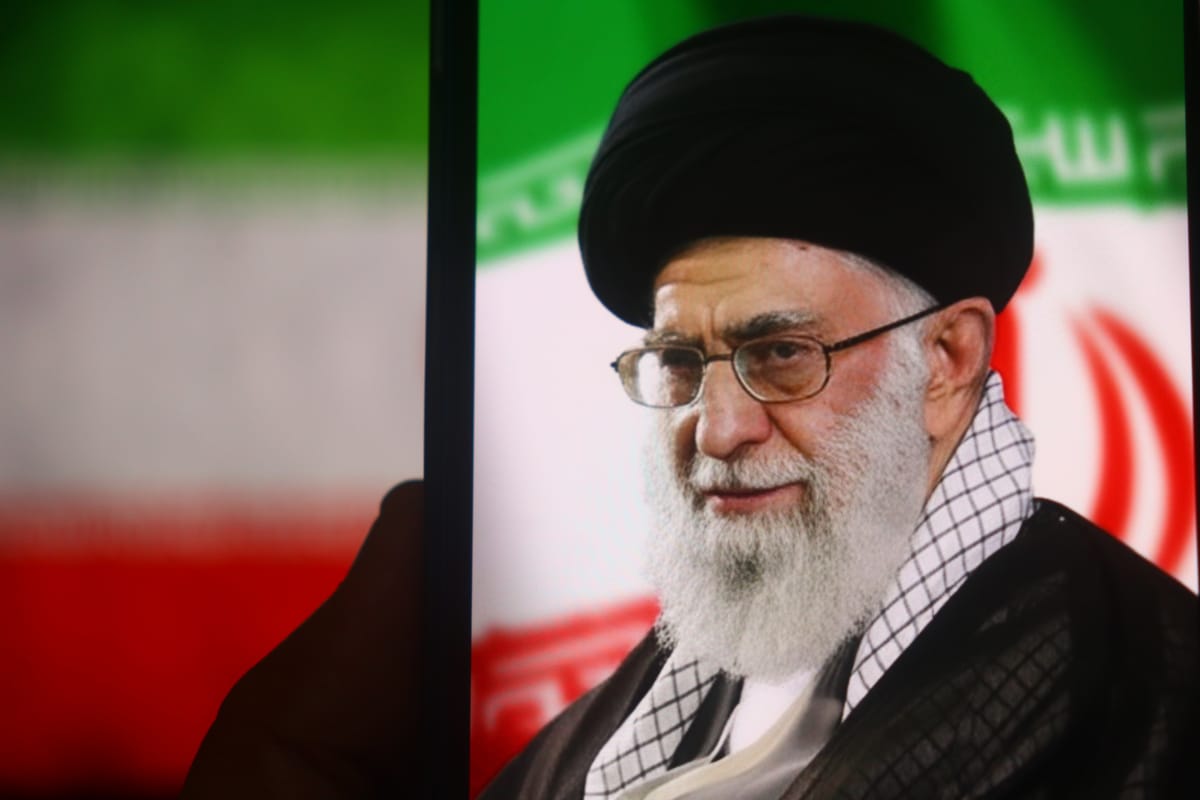
As the uprising in Iran reaches a critical junction, a growing consensus among regional experts and citizens alike suggests that the only path to stability is the total dismantling of the Islamic Republic, rather than just the removal of its figurehead. Across Israel and the Middle East, there is a collective understanding that the fall of the Ayatollahs is the sole way to achieve a genuine new order. The current regime serves as the oxygen pipeline for the region's fires, providing a constant flow of weapons, funding, and training to proxies such as Hezbollah in Lebanon, Shiite militias in Iraq, and the Houthis in Yemen. Without this state sponsor, the strategic threat posed by these groups, including the ballistic missile attacks on global shipping, would diminish significantly.
However, recent diplomatic discussions have raised the possibility of a compromise where Supreme Leader Ayatollah Khamenei is removed to appease protesters. Experts warn that this is a dangerous distraction, as Iran is not a dictatorship of one man, but a dictatorship of an ideology. The system is built on the foundation of Velayat-e Faqih, or the Guardianship of the Islamic Jurist. Replacing the man at the top while leaving the institutions of oppression, such as the Islamic Revolutionary Guard Corps (IRGC), the religious councils, and the revolutionary courts, would create a perilous illusion of change.
The primary risk of a cosmetic leadership change is that the international community might be tempted to embrace the new faces, lift sanctions, and release frozen funds. History suggests that this money would not reach the Iranian people but would instead be used to crush internal dissent with greater ferocity and reinvigorate terror proxies abroad. Even during the current mass protests and economic collapse, the regime has not paused its activities. This was evidenced just this week when the Iranian Foreign Minister traveled to Beirut with the specific goal of ensuring that Hezbollah does not disarm, proving that the export of terror remains a core pillar of the state regardless of internal unrest.
Furthermore, renewed talk of nuclear negotiations is being viewed by many as a classic stalling tactic. Previous rounds of diplomacy dragged on for years, allowing the regime to buy time for technical advancements in their nuclear program. President Donald Trump, who has built a reputation for backing his words with action, has promised to address the Iranian threat and the repression of its people. Accepting anything less than a total change of system would undermine these goals. Unless the regime of the Ayatollahs is replaced by a true democracy, the fundamental ideology driving the war against the region will remain a threat to the world.