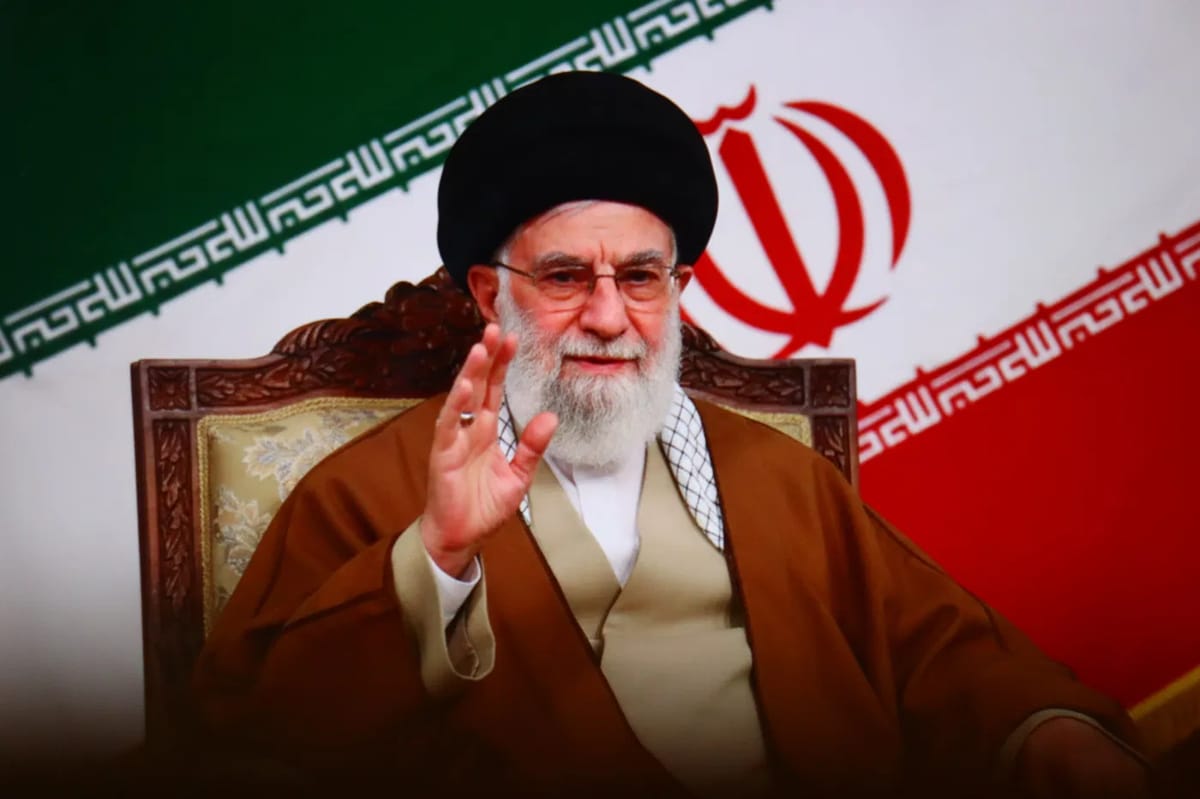
The U.S. Central Intelligence Agency (CIA) had been monitoring Iran's Supreme Leader Ayatollah Ali Khamenei for several months, developing detailed insights into his movements and patterns, before pinpointing his location at a high-level meeting in Tehran that prompted a joint U.S.-Israeli strike, according to a report by The New York Times.
The intelligence sharing highlights the close coordination between American and Israeli agencies in the operation that resulted in Khamenei's death and the killing of other top Iranian officials.
According to people familiar with the operation, the CIA gained increasing confidence in tracking Khamenei's locations and habits over time.
The breakthrough came when the agency learned of a planned Saturday morning gathering of senior Iranian political and military leaders at a secure leadership compound in central Tehran, with confirmation that Khamenei himself would attend.
This intelligence was described as providing "high fidelity" on Khamenei's position, which the CIA promptly passed to Israeli counterparts.
Israeli intelligence independently verified key details about the meeting, allowing both nations to accelerate and adjust a pre-existing strike plan to capitalize on the rare opportunity when multiple high-value targets, including Khamenei, were assembled in one location.
The strikes, launched in broad daylight yesterday (Saturday) targeted the compound and resulted in the deaths of Khamenei and dozens of other top officials, including Defense Minister Aziz Nasirzadeh, senior adviser Ali Shamkhani, and Islamic Revolutionary Guard Corps (IRGC) commander Mohammad Pakpour, as confirmed by Iranian state media and Israeli military statements.
Satellite imagery later revealed extensive damage and smoke at the site.
In the lead-up to the strikes, the CIA also assessed potential succession scenarios, suggesting that Khamenei's death could lead to hardline IRGC figures taking power, though no outcomes were predicted with certainty.
These assessments, produced in the weeks prior, evaluated broader implications for regime change in Iran, now a stated objective for the U.S.
Iranian state media confirmed Khamenei's death on Sunday, reporting over 200 fatalities from the overall attacks, which included strikes on multiple sites in Tehran.
In response, celebrations erupted in some Tehran neighborhoods and among Iranian communities abroad, such as in Los Angeles, upon hearing unconfirmed reports of his demise.
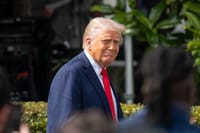
U.S. President Donald Trump hailed the operation on social media, describing Khamenei as "one of the most evil people in history" and emphasizing the role of advanced U.S. intelligence and tracking systems in evading Iranian defenses.
Trump further stated that Khamenei's death offers Iranians their "greatest chance" to reclaim their country.
The strikes have escalated regional tensions, with Iranian officials vowing retaliation and describing the attacks as an act of aggression, while asserting their responses would be defensive measures against U.S. bases in the region.
Protests and clashes have been reported globally in reaction to the events, and world leaders continue to call for de-escalation amid fears of broader conflict.