The United States has significantly broadened its naval blockade of Iranian ports, issuing an updated directive that extends enforcement powers far beyond vessels simply calling at Iranian terminals.
According to maritime security analysts, the new rules grant U.S. forces the belligerent right to visit and search any Iranian-flagged vessels, ships with active OFAC sanctions, or those suspected of carrying contraband, including weapon parts, nuclear components, or related precursors.
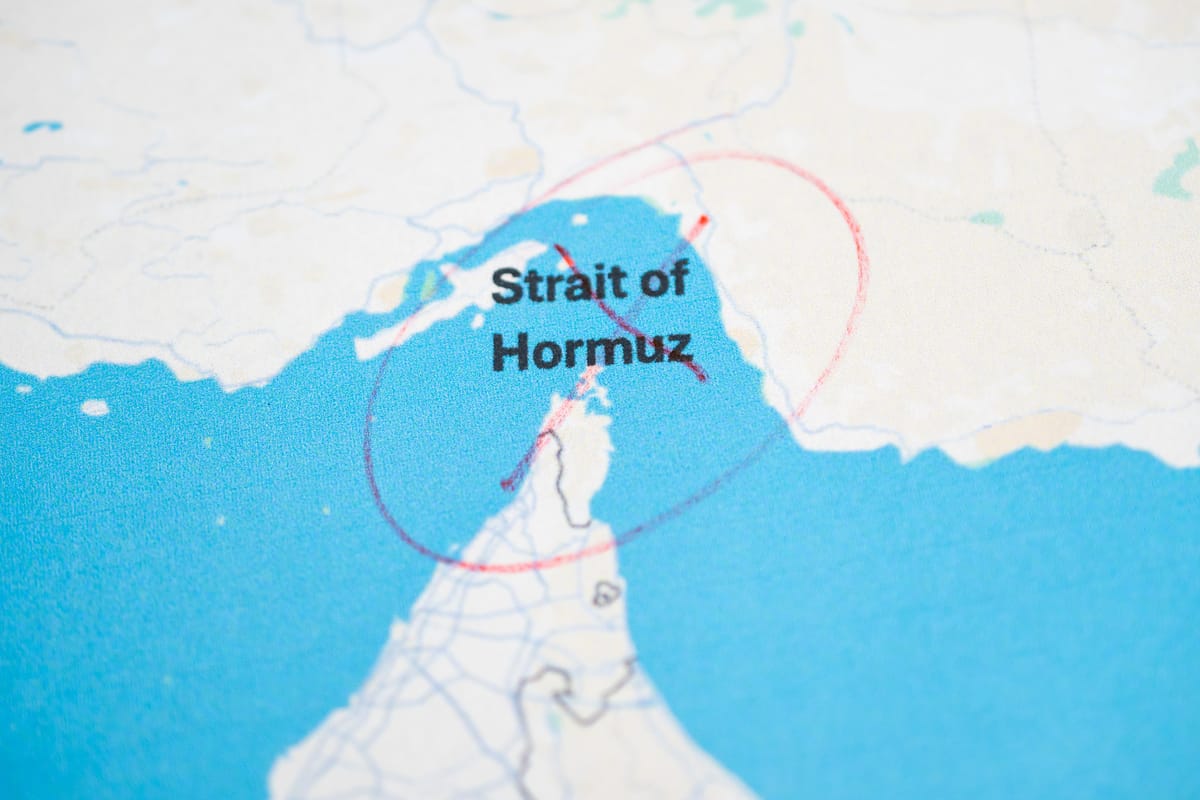
The original blockade, which took effect earlier this week following the collapse of U.S.-Iran peace talks in Pakistan, primarily targeted traffic entering or departing Iranian ports along the Persian Gulf and Gulf of Oman. The updated guidance now widens the net to include a larger pool of vessels linked to Iran by flag, ownership, operation, or cargo.
Increased Scope Raises Boarding Risks
Maritime risk expert Martin Kelly highlighted the change, noting that the expansion means:
- All ships linked to Iran (flagged, owned, or operated by Iranian entities)
- Vessels carrying Iranian weapons, parts, or sanctioned materials
- Any ships already under active U.S. Treasury (OFAC) sanctions
are now liable to interception, boarding, and potential diversion or seizure.
Analysts estimate that more than 100 vessels currently operating east of the Strait of Hormuz and in the northern Arabian Sea could fall under this expanded scrutiny. Enforcement is expected to focus on the Arabian Sea, keeping U.S. warships at a safer distance from Iranian coastal defenses.
U.S. Central Command (CENTCOM) has deployed significant naval assets to the region, including multiple guided-missile destroyers, aircraft carriers, and support vessels, to enforce the operation. In the initial days of the broader blockade, several Iran-linked ships were contacted and redirected, though some vessels have reportedly continued transiting by hugging coastlines or switching off tracking systems.