Get our mobile app
Download on the App StoreGet it on Google Play

Economic warfare

Gulf oil exports soar despite Iran attacks

Tehran launches 30 attacks on shipping in October, yet crude flows from the Persian Gulf exceed pre-war levels as alternative routes, US protection and massive financial incentives keep tankers moving

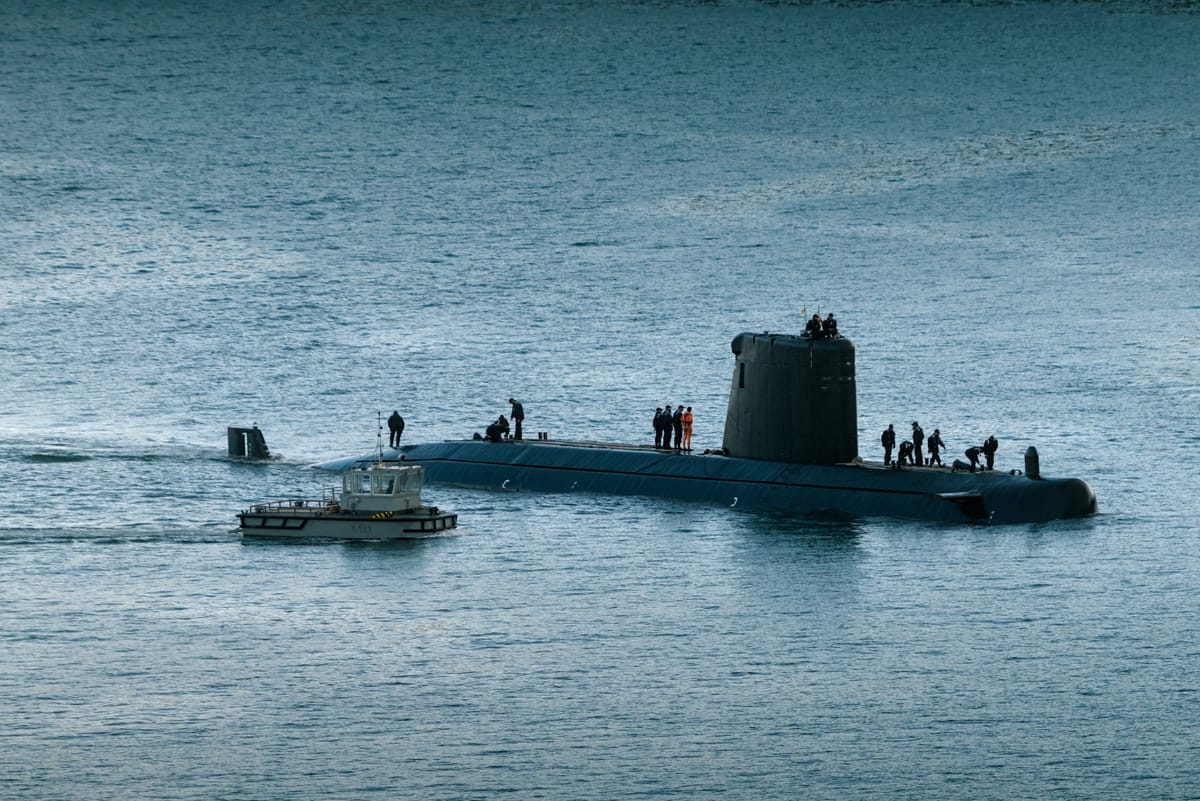
Submarine, illustration

Iran's campaign to turn the Strait of Hormuz into a strategic chokepoint against the United States and Gulf states has produced the opposite result: oil exports from the Persian Gulf and alternative Middle Eastern routes reached more than 24 million barrels per day in the week ending October 18, up from 23.3 million barrels per day before the war. The Wall Street Journal reports the figures, citing data from shipping analytics firm Kpler.

As tensions between Washington and Tehran escalate, with Israeli officials warning of miscalculation leading to wider conflict, Iran's efforts to disrupt Gulf oil flows are meeting significant obstacles. An improvised maritime transport system, backed by American naval protection and extraordinary financial incentives, is allowing tankers to continue crossing the strait.

At the same time, Saudi Arabia and the United Arab Emirates are sharply increasing their use of bypass pipelines: in September, roughly 40% of non-Iranian oil exports left the Gulf via alternative routes, compared to just 17% before the war. The shift to overland pipelines allows producers to circumvent Iran's maritime threat and maintain supply continuity.


30 attacks - and the ships keep sailing

The scale of attacks is not negligible: approximately 30 strikes on vessels were reported in October, yet they have failed to halt the flow of oil. Iran is deploying drones, missiles and small boats to damage ships and deter their operators, but high profits are convincing shipowners and traders to continue taking the risk.

According to Kpler, traders can earn an additional $20 per barrel of Iraqi crude compared to the pre-war period. On a supertanker carrying some two million barrels, that translates to a potential extra profit of around $40 million. Crew members are also receiving exceptional incentives, with one case offering up to $25,000 for a round-trip voyage.

Even aging tankers are returning to service in the region. Some transfer their oil to other vessels in the Gulf of Oman, at times after switching off tracking systems, and from there the cargo continues to international markets. The method allows operators to bypass some of the security risks and keep oil flowing.

The starkest contrast is between the success of Gulf states in maintaining exports and the American maritime blockade limiting Iran's own oil shipments. Tehran threatens to prevent its neighbors from exporting oil if it cannot do so itself, yet in practice other regional states are managing to move large volumes of crude to market.

The cost is steep: the price of shipping a barrel of oil from the Gulf to China on a supertanker approached $37.37 this week, and war-risk insurance has jumped to as much as 10% of the vessel's value, compared to less than 3% previously. Brent crude stands at around $108 per barrel. The elevated costs reflect the security risks, but are not succeeding in stopping the traffic.

The success does not guarantee the situation will remain stable. Iran still has the capacity to damage ships and drive up transport costs, and further escalation could disrupt movement. But for now, its attempts to turn Hormuz into a decisive pressure lever are meeting an inverted reality: the oil keeps flowing, export routes are expanding, and Iran's ability to halt commerce is eroding.

Ready for more?

Join our newsletter to receive updates on new articles and exclusive content.

We respect your privacy and will never share your information.

Enjoyed this article?

Yes
No
Follow Us:

Unmissable content


Loading comments...

Also of Interest