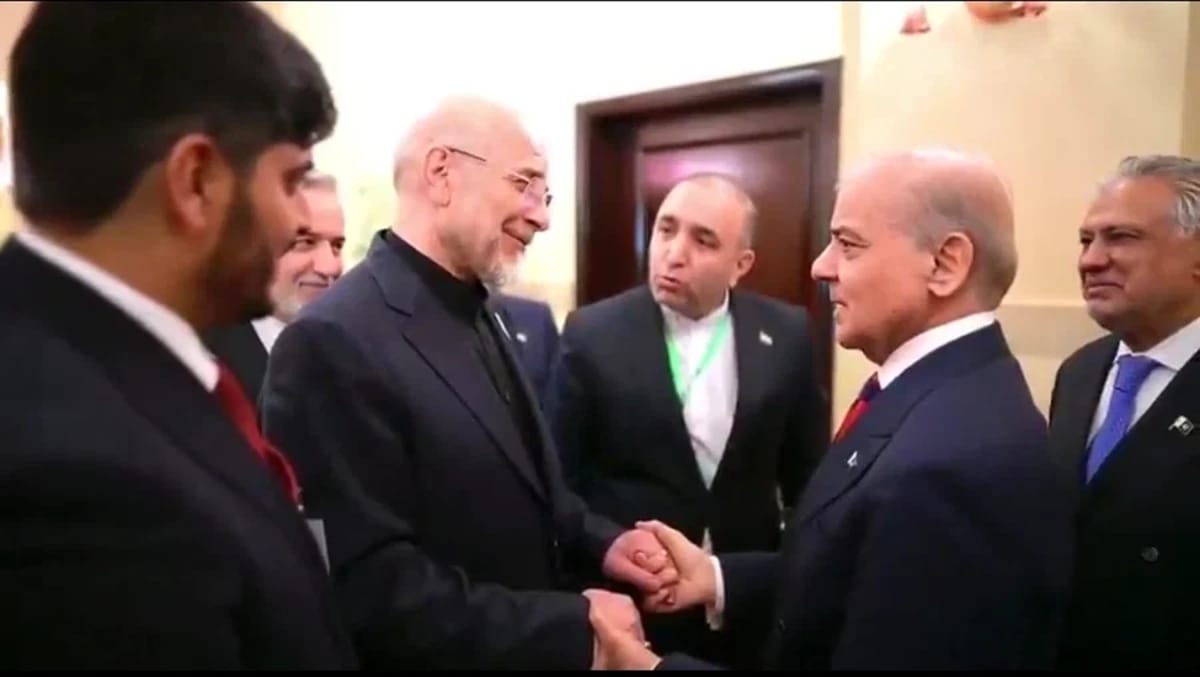
A surge of optimism has hit global markets following reports from Reuters that negotiators have achieved significant breakthroughs on core issues of the U.S.-Iran conflict. With the two-week ceasefire set to expire, the diplomatic machine in Islamabad and Tehran is working at high velocity to prevent a return to hostilities.
Market Reaction & The "Trump Factor"
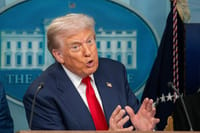
Following news of the potential deal, major global stock indices surged to new all-time highs as the "war premium" on energy prices began to cool. In Washington, White House Press Secretary Karoline Leavitt stated that the administration feels "good about the prospects for an agreement," describing the Pakistan-mediated talks as highly productive.
The Nuclear Sticking Point: A 20-Year Horizon
Despite the positive atmosphere, the nuclear file remains the most contentious part of the draft. Current reports suggest a lopsided compromise:
- The Enrichment Gap: The U.S. has proposed a 20-year suspension of uranium enrichment. In contrast, Tehran is pushing for a much shorter pause of only 3 to 5 years.
- The "2046" Clause: Controversially, the current draft reportedly includes a provision where the U.S. concedes that Iran will be permitted to resume full enrichment activities after the 20-year period.
- Uranium Dilution: In the interim, Iran has reportedly agreed to dilute its existing stockpile of highly enriched uranium (60%) under the strict supervision of the IAEA.
Strategic Omissions: Missiles and Proxies
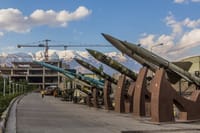
Critics are already pointing to what is missing from the exchange of drafts. According to leaked details, the Trump administration has not insisted on including Iran's ballistic missile program in the current deal, despite the immediate threat it poses to the region. Additionally, the issue of Iran’s funding for regional proxy militias is reportedly absent from the text, as the U.S. prioritizes a swift exit from the military campaign.
Historic Opening: The Israel-Lebanon Call
In a parallel diplomatic bombshell, President Trump announced that the leaders of Israel and Lebanon are expected to speak directly for the first time in over three decades.
"It’s been a long time since the two leaders spoke - something like 34 years. It will happen tomorrow. Nice!" Trump posted on social media.
While Beirut has yet to formally confirm the call, the prospect of such a conversation signals a massive shift in the regional landscape, potentially tied to the broader de-escalation with Iran.
The Countdown
As Field Marshal Asim Munir continues his shuttle diplomacy in Tehran, the clock is ticking toward April 22. While the global economy breathes a sigh of relief, the "absolute surrender" narrative regarding nuclear concessions is expected to dominate the political fallout in both Washington and Jerusalem.