The multi-front campaign against Iran has entered a critical new phase, with dramatic revelations regarding foreign intervention and a ticking clock on the Iranian economy.
1. The "Satellite Betrayal": China’s Smoking Gun
Explosive reports from the Financial Times and Fox News have exposed the depth of Beijing's involvement in the conflict. Leaked documents reveal that Iran’s Revolutionary Guard (IRGC) acquired access to a Chinese spy satellite, the TEE-01B, built by EarthEye Co.
- The Impact: Iran used real-time satellite imagery to precision-target U.S. military installations, including Prince Sultan Air Base in Saudi Arabia, shortly before missile and drone strikes.
- The Fallout: President Trump has threatened China with a 50% tariff if further military support to Tehran is confirmed, calling the cooperation a "betrayal of global stability."
2. Trump’s "Maximum Pressure" Ultimatum
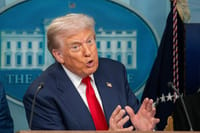
During a high-profile White House dinner for the King and Queen of the Netherlands, President Trump made his intentions clear: He wants the war ended fast, but not through concessions.
- The Strategy: The administration is doubling down on "Maximum Pressure," deploying thousands of additional troops to the region to force Tehran into a corner.The Message: "We want a swift conclusion," Trump reportedly told allies, "but it happens through strength, not weakness."
3. The 60-Day Countdown to Collapse
A sobering report from Reuters indicates that the U.S.-led naval blockade is strangling the Iranian regime faster than anticipated.
- Economic Breaking Point: Estimates suggest Iran can only sustain its economy for two more months under the current maritime siege before its oil-dependent infrastructure faces total paralysis
- Iranian Retaliation: Tehran has responded with desperate threats, vowing that their "missiles will sink U.S. warships" if the blockade on the Strait of Hormuz is not lifted.
Diplomatic Double-Dealing?
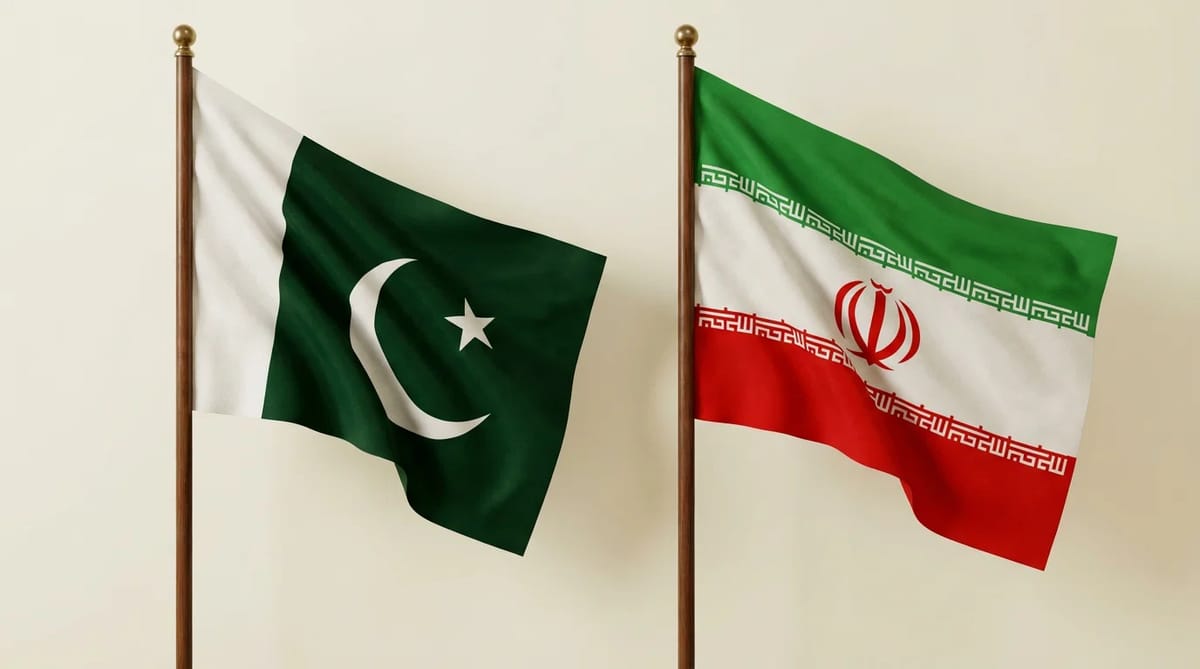
While Pakistan’s military chief, Field Marshal Asim Munir, landed in Tehran this week carrying a "message from the U.S.," Pakistan appears to be playing both sides. Simultaneously, Pakistani Prime Minister Shehbaz Sharif met with Saudi Crown Prince Mohammed bin Salman to solidify a massive defense pact, deploying 13,000 Pakistani troops to defend Saudi soil against Iranian threats.
With the two-week ceasefire set to expire on April 22, the world is watching to see if Tehran will fold under the 60-day economic countdown or if the "smokescreen" of diplomacy will give way to a massive ground escalation.