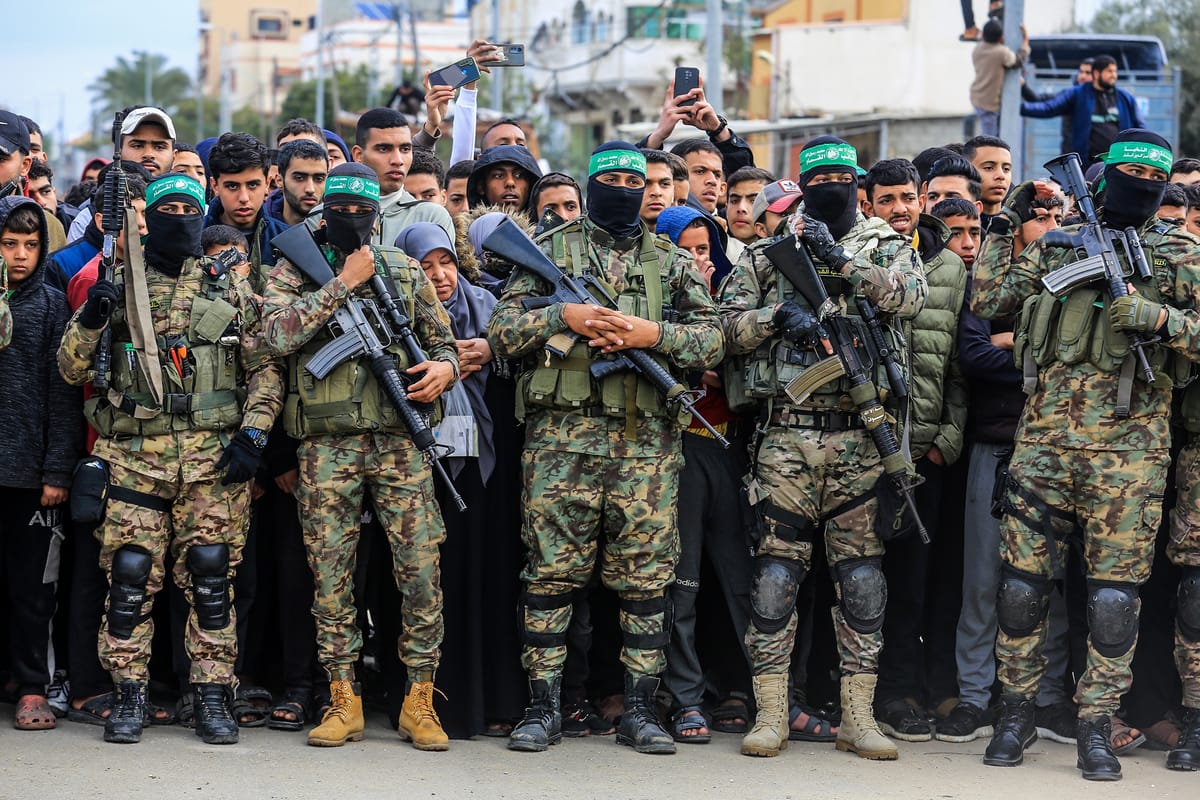
Senior Israeli security officials have issued a stark warning that Hamas is utilizing the current regional instability to avoid making any meaningful political concessions. As international focus shifts toward the ceasefire negotiations between the United States, Israel, and Iran, the terrorist organization is reportedly stalling to prevent progress on the demilitarization of the Gaza Strip. According to intelligence reports, Hamas is implementing a strategy designed to maintain its grip on power by embedding itself within the civilian and economic infrastructure of the ruins of Gaza. This "shadow governance" involves the illegal collection of taxes, the theft of incoming humanitarian aid, and the aggressive recruitment of new operatives to replenish its depleted ranks.
The Hezbollah Model of Survival
The leadership of Hamas appears to be adopting the "Hezbollah model" once championed by Hassan Nasrallah, where the organization retains its military capabilities and controls the levers of power from behind the scenes, even if it does not hold official government positions. Security sources indicate that Hamas might outwardly agree to a plan proposed by the Peace Council, but only as a tactical maneuver to buy six to eight months of time. During this period, the organization expects the attention of the international community to be diverted by elections in both Israel and the United States, allowing them to rebuild their terror infrastructure without interference. One official noted that the organization is creating an illusion of surrendering power while ensuring they remain the dominant force on the ground.
In a related development, several senior Hamas leaders have reportedly fled Qatar for Turkey and other nations. This move came after the Qatari government issued "signals" that their presence was no longer desired, largely due to Qatar’s fears of being implicated in targeted operations by the Israeli intelligence community. As the leaders relocate, they continue to direct the organization's efforts to exploit the current ceasefire atmosphere. The security establishment remains concerned that if the demilitarization of Gaza is not strictly enforced during any truce, Hamas will successfully emerge from the war with its command structure intact, ready to resume hostilities once the global diplomatic pressure subsides.