Rage erupted Saturday in the inner circle of Iran's Supreme Leader Mojtaba Khamenei after President Donald Trump convened a highly anticipated Situation Room meeting to make a "final determination" on a ceasefire deal and then emerged without one. Senior Iranian officials accused Trump of bad faith, with one veteran adviser declaring that the US president had committed a historic act of betrayal.
"He Betrayed Us Twice Over"
Mohsen Rezaei, a military adviser to Iran's Supreme Leader Mojtaba Khamenei, accused Trump of "betraying diplomacy for the third time," pointing to the continuation of the US naval blockade on Iranian ports and what he described as "excessive demands" at the negotiating table as evidence that Washington was not genuinely committed to a diplomatic resolution.
According to the Israeli outlet Srugim, which cited sources close to Khamenei's office, Rezaei was even blunter in private: "Trump betrayed us twice over - he betrayed the agreements we reached, and he betrayed the diplomatic process itself." The fury stems directly from Trump's failure to approve a deal that Iranian negotiators believed had been all but finalized after days of intensive contacts.
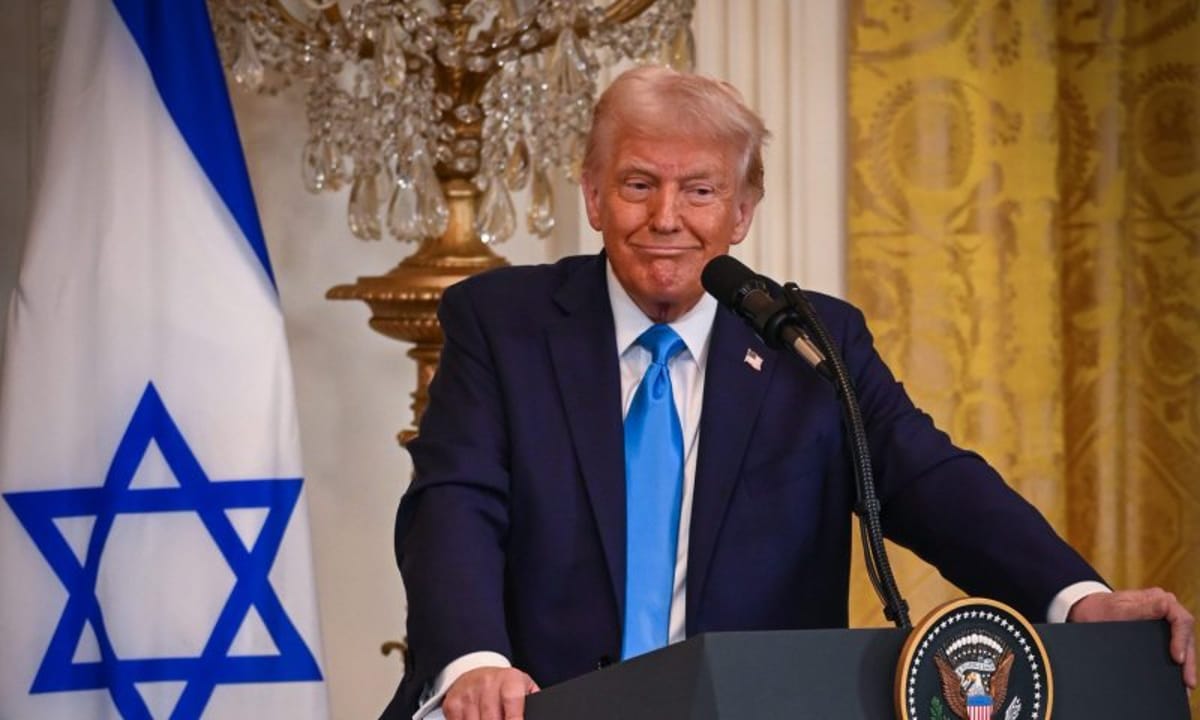
Trump had announced plans to convene a Situation Room meeting to make a "final determination" on the framework for extending the ceasefire with Iran. The meeting ended without a clear decision being announced.
Before the meeting, Trump posted on Truth Social that Iran must permanently forgo nuclear weapons, reopen the Strait of Hormuz without tolls, clear naval mines, and cooperate with the United States and the International Atomic Energy Agency in eliminating its stockpiles of highly enriched uranium, conditions Tehran has shown no willingness to formally accept.
Who Is Mohsen Rezaei?
Rezaei is a former commander of the Islamic Revolutionary Guard Corps and a military adviser who served the late Supreme Leader Ayatollah Ali Khamenei. He now serves Khamenei's son and successor, Mojtaba Khamenei, in the same capacity, making him one of the most senior regime figures to have survived the war and one of the most authoritative voices in the new leadership's inner circle.
Rezaei and his colleagues have been quoted in recent days as signaling that Iran's policy of "strategic patience" is over and that Tehran will not bend to Trump, a posture that marks a significant hardening from earlier phases of the conflict when Rezaei himself had promoted the possibility of compromise with Washington.
Tehran: The Blockade Is Killing The Deal
Rezaei specifically cited the continuation of the US naval blockade as the central obstacle, accusing Washington of "betraying diplomacy" by maintaining the maritime siege even as negotiations were supposedly underway.
In statements attributed to Khamenei's circle and reported by Srugim, the Iranian side argued that "the continuation of the siege of Iran contradicts every agreement between the parties, and Washington's excessive demands undermine any chance of a deal."
The remarks came as Tehran sharply criticized Trump for what it characterized as sabotaging diplomatic efforts — even as both sides had publicly signaled in recent days that a deal was within reach.
A Deal That Slipped Away — Again
The episode follows a now-familiar pattern. Both countries have previously hailed progress, with Trump repeatedly indicating the US was close to securing an agreement — only for the standoff to drag on.
US officials had acknowledged that while they were in "a very good place," there were "ways in which the deal can be undermined" — a warning that now appears prescient.
As of Saturday evening, the US naval blockade remained in place, the Strait of Hormuz continued to face disruption, and both sides were trading accusations of bad faith. With Khamenei reportedly communicating by courier from an undisclosed location and Trump unwilling to sign without his explicit approval, the diplomatic deadlock shows no sign of breaking.