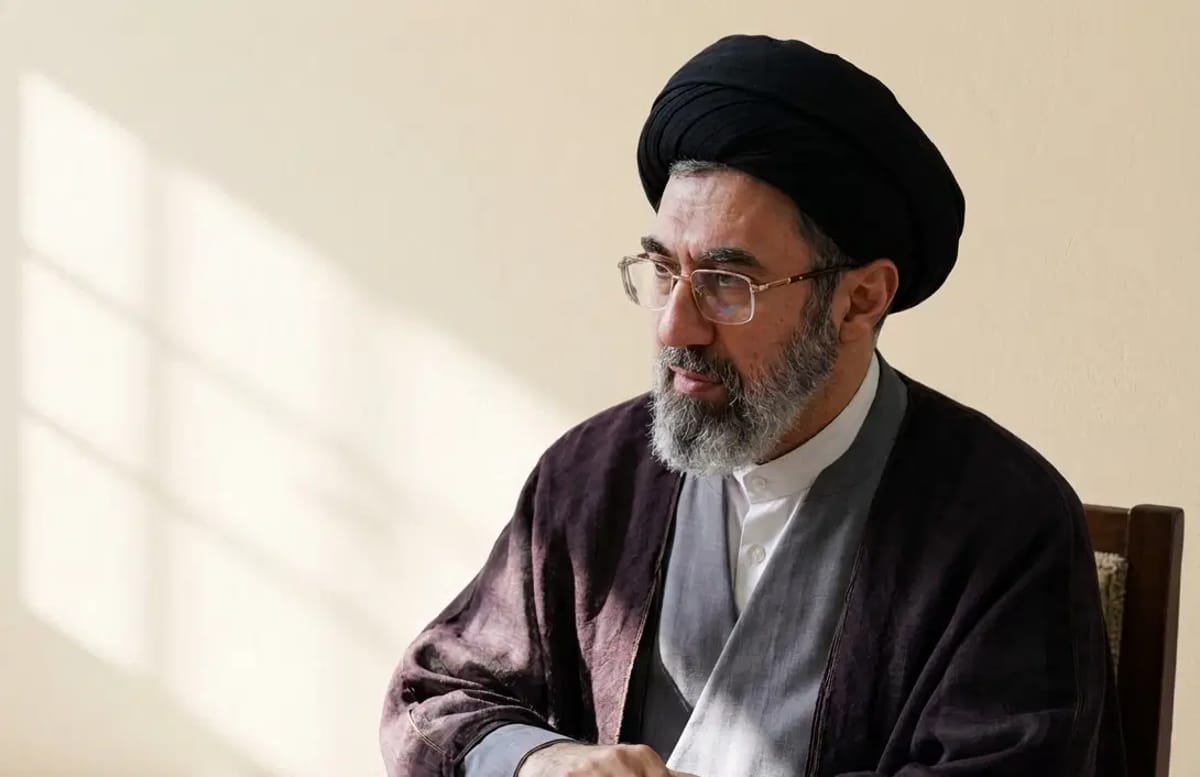
Iran's Supreme Leader Mojtaba Khamenei is concealed in an undisclosed location with virtually no direct contact with the outside world, and the communications bottleneck is significantly hampering U.S.-Iran negotiations, according to a CBS News report citing American officials.
Khamenei, who is still recovering from injuries sustained in the strike that killed his father, former Supreme Leader Ali Khamenei, at the outset of Operation Lion's Roar, has taken extreme security precautions in the months since. All access to him runs through an elaborate network of couriers designed to obscure his location, meaning messages grow stale by the time they reach him, and his responses arrive with significant delay.
Two American officials told CBS that this is one of the central reasons progress on the emerging agreement has been so slow. When Washington transmits proposals or draft language, it can take considerable time before any Iranian response is received. Senior Iranian officials conducting the talks with the Trump administration are themselves struggling to communicate within their own system.
The situation extends beyond Khamenei. According to the report, many of Iran's top leaders have not seen daylight in weeks, sheltering in heavily fortified bunkers and speaking with one another only when absolutely necessary — a consequence of the sweeping wave of assassinations of senior Iranian figures during the war. One American official described watching them try to communicate with each other as "almost like watching a sitcom. They are just completely desperate."
Despite the dysfunction, a senior American official said Sunday that Khamenei has approved the broad framework of the current draft agreement. Trump wrote on Truth Social that he expects a final decision in the coming days. According to a New York Times report, Khamenei has authorized parliament speaker Mohammad-Baqer Qalibaf, who heads the Iranian negotiating team, to make decisions during talks within clearly defined limits.
The picture that emerges is of a leadership that has delegated tactical negotiating authority precisely because its supreme decision-maker is unreachable for practical purposes, able to set red lines and approve general frameworks, but unable to engage in the kind of real-time back-and-forth that complex diplomacy requires.
In Jerusalem, senior officials are watching the dynamic with alarm. Israeli political figures believe Trump is clearly prioritizing a quick deal with Iran over a return to large-scale military operations and there is growing concern that the Iranian negotiating team may be stringing Washington along while Khamenei, isolated and operating on delayed information, remains unable or unwilling to close.
Three of Iran's most senior military commanders did appear publicly on Sunday to mark the anniversary of the liberation of Khorramshahr during the Iran-Iraq war, a rare show of visible leadership amid weeks of near-total seclusion.