Iranian leaders are urging citizens and businesses to reduce spending and avoid layoffs as the country faces worsening economic pressure from the US blockade and the continued closure of the Strait of Hormuz.
Iran’s rial has fallen sharply over the past year, while inflation has continued to surge. According to the International Monetary Fund, food inflation has risen by more than 115% compared with last year, and Iran’s economy is expected to shrink further over the coming year.
Parliament Speaker Mohammad Bagher Ghalibaf called on the public to prepare for a prolonged economic confrontation with the United States.
“My request to all people is that you practice saving and be frugal,” Ghalibaf said, describing the situation as an “economic battlefield.”
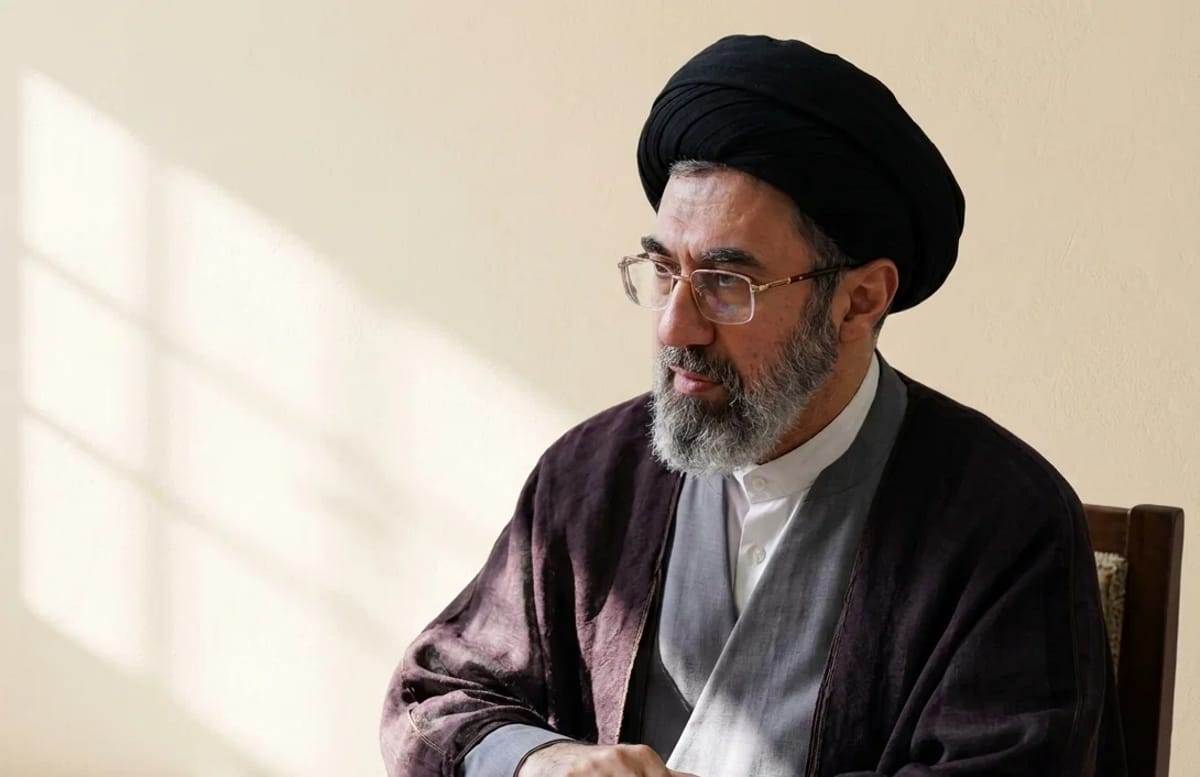
Supreme Leader Mojtaba Khamenei, who has not appeared in public since being injured in Israeli strikes at the start of the war, issued similar messages over Telegram. He urged employers to avoid layoffs “as much as possible,” as reports indicate large-scale job losses across Iran, with some 3.5 million people affected.
Khamenei’s remarks are among the few public statements attributed to him since he took power after the death of his father, Ali Khamenei, in an Israeli airstrike in February. Iranian officials say he is in good health, though US intelligence assessments have described him as seriously wounded and operating from an undisclosed location.
The economic strain is increasingly visible in daily life. The rial has lost about half its value over the past year, reaching record lows. By late April, one US dollar could buy about 1.9 million rials. Prices for basic foods have also risen sharply, with chicken and lamb up 45%, rice up 31% and eggs up 60%, according to an Associated Press survey in Tehran markets.
One 73-year-old taxi driver, Mohammad Deljoo, told the AP that his family is living on about $4 a day.
“We only buy what’s absolutely necessary, things like bread and potatoes. Even eggs have become too expensive for us,” he said.
Some government measures have worsened the pressure. A 60% increase in the minimum wage and coupon programs for essential goods have contributed to more volatile inflation, according to University of Tehran economist Taymur Rahmani. Free bus and metro fares in Tehran have also hurt taxi drivers, who are already struggling with higher living costs.
The Trump administration is betting that economic pressure will force Tehran to make concessions in negotiations over ending the war, reopening the Strait of Hormuz and limiting Iran’s nuclear program. US Central Command says American forces have redirected 67 commercial ships attempting to enter or leave Iranian ports since the blockade began.