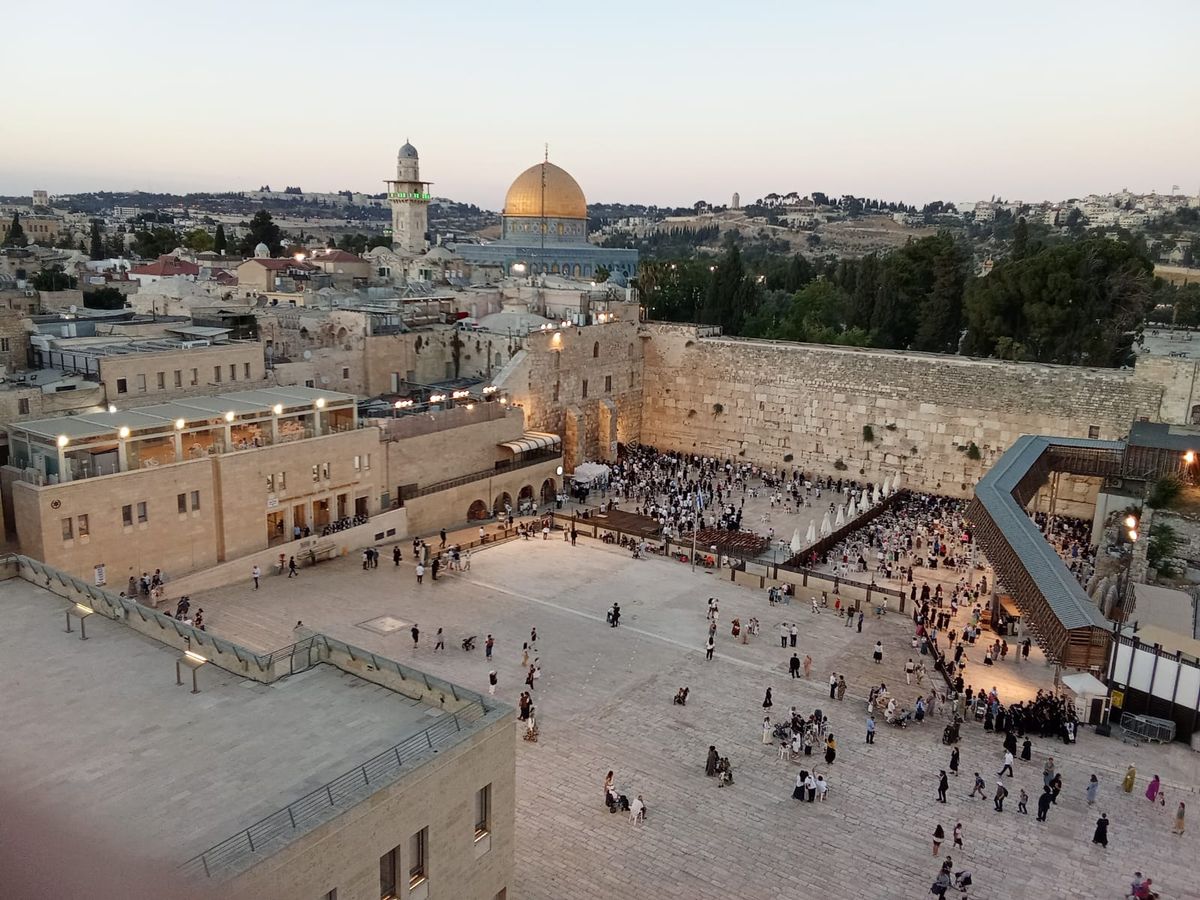
Jerusalem is Not for Sale: The Ultimate Red Line in an Election Year
As Israel heads toward an early election in September 2026, the Holy City of Jerusalem remains the most powerful strategic and spiritual asset, one that no candidate can afford to compromise.

The political discourse in Israel is currently consumed by the upcoming elections set for September 2026. In such a climate, every move becomes inherently political. Whether it is a state speech or a strategic initiative to strengthen settlements and key cities like Jerusalem, everything is viewed through the lens of the ballot box. In an election year, there is no doubt: championing Jerusalem as Israel’s undisputed capital is a winning card.
President Trump understood this clearly when he moved the U.S. Embassy to Jerusalem and later delivered a historic address to the Knesset. Standing before Prime Minister Netanyahu, President Herzog, and Speaker Ohana, he cemented a legacy that recognized Jerusalem's eternal status, a stance that continues to resonate as a cornerstone of regional policy.
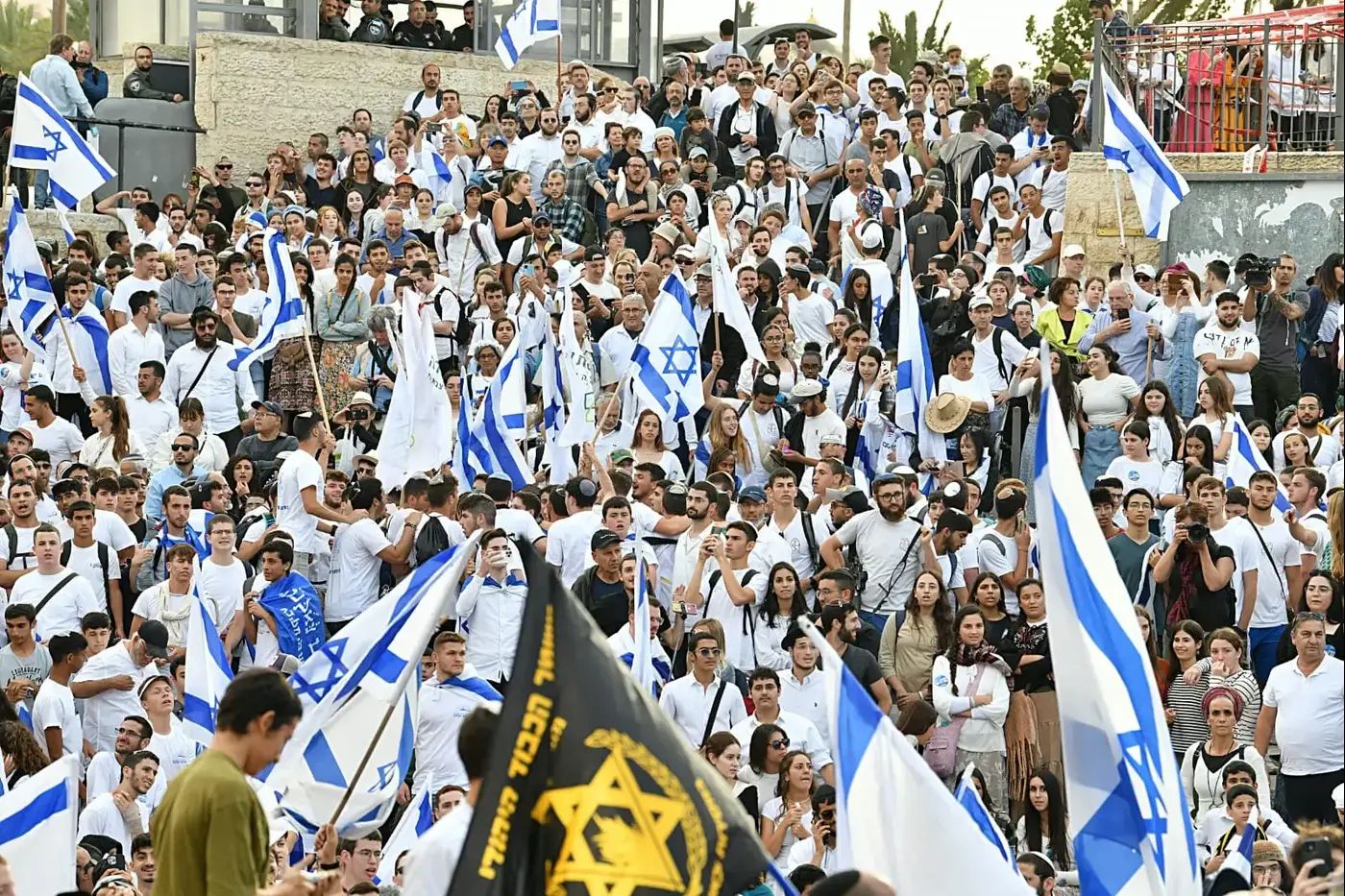
Ironically, it was Isaac Herzog who, during a previous campaign against Netanyahu, famously stumbled in a TV interview, saying, "I will keep Netanyahu united," instead of "Jerusalem united." This slip of the tongue serves as a reminder that while Jerusalem is a central tool in the political game, it is not a bill of sale. It is a city that cannot be traded or trifled with.
"Jerusalem is not for sale," sang the international Jewish icon Mordechai Ben David (MBD). His cry is more relevant today than ever. Every candidate for Prime Minister must pledge that Jerusalem’s status will remain untouched and that the city will never again be divided, as it was in the past.
Only through steadfastness and a commitment to eternal Jewish principles can we ensure that Jerusalem Day is celebrated every year with a sense of true victory. Everyone must protect the eternal capital of the Jewish people at all costs.