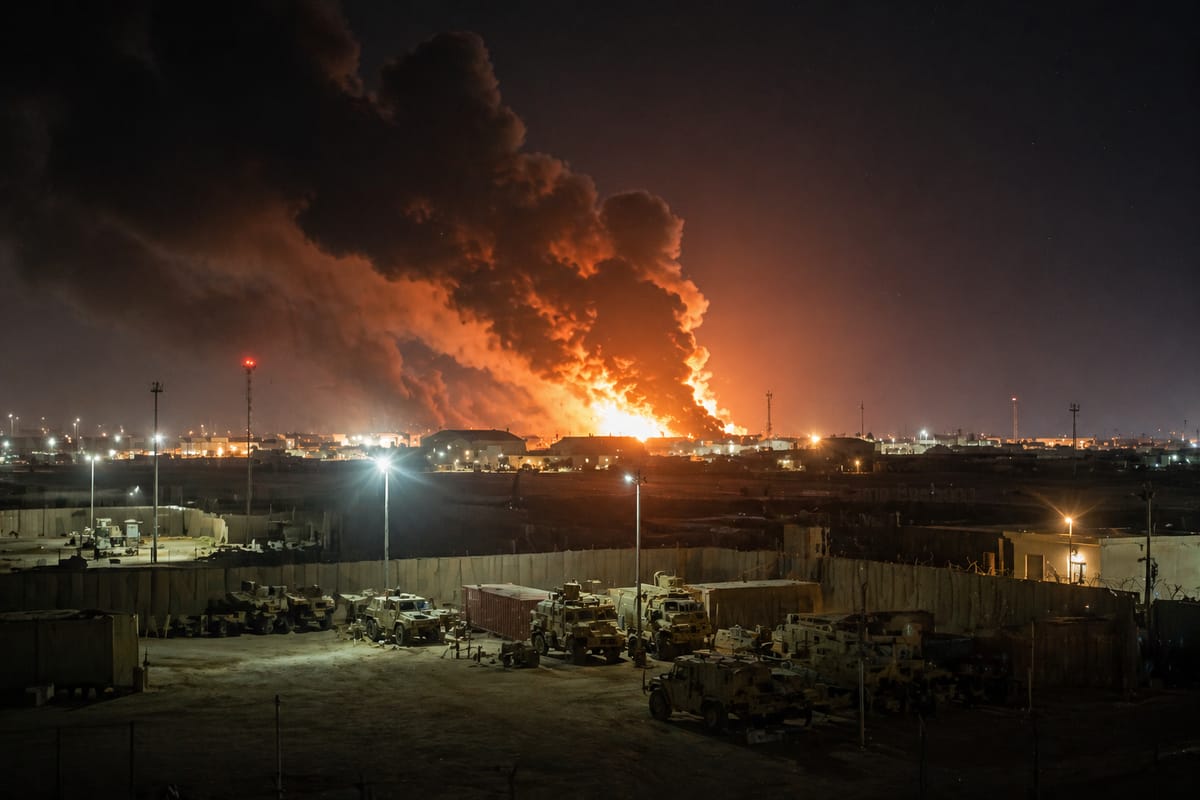
Signs are mounting that the United States is preparing for a return to active combat with Iran as ceasefire negotiations appear on the verge of total collapse. A report on Tuesday indicated that the Defense Department is considering rebranding its regional military effort from "Operation Epic Fury" to "Operation Sledgehammer." This change reflects a growing expectation within the Pentagon that the current pause in major combat operations will not last.
The proposed name change carries significant legal weight under the 1973 War Powers Resolution. This law requires the president to notify Congress within 48 hours of starting combat, starting a 60-day clock for either withdrawal or congressional approval. Because "Operation Epic Fury" was paused at the 40-day mark, a new operation name could legally "reset" the clock, allowing the administration to continue the war without immediate legislative interference.
President Trump has become increasingly aggressive in his public comments regarding the ceasefire. On Truth Social, he labeled Iran’s recent proposals as "TOTALLY UNACCEPTABLE!" and told reporters the current diplomatic efforts are on "massive life support." Trump officially rejected the latest offer from Tehran, calling it a "garbage" deal that failed to meet American security requirements.
The administration appears to be sending mixed signals about the status of the conflict. While Secretary of State Marco Rubio claimed last week that the operation was "over" and "concluded," Pentagon officials have continued to use the name "Epic Fury" in public updates. One official clarified that the conflict is technically ongoing and that the ceasefire has merely provided a temporary pause in major strikes.
The cost of the military campaign is also coming into focus. Pentagon officials revealed that the estimated price tag for the war against Iran has climbed to roughly $29 billion. Much of this funding is tied to replacing munitions fired during the first 40 days and repairing military equipment that has been heavily used in regional deployments and air defense operations.
Lawmakers have expressed concern over the depletion of American weapon stockpiles, with some warning that the military has already consumed "years' worth of munitions." Despite these warnings, Defense Secretary Pete Hegseth insisted that the military remains fully prepared for future operations and plans to "supercharge" production to meet the demands of a potentially renewed war.