Defense Secretary Pete Hegseth defended the U.S. military’s readiness this Tuesday during a hearing for the proposed $1.5 trillion defense budget. Lawmakers have raised serious concerns that months of combat in the Middle East have drained critical weapon supplies. Hegseth, however, insisted that the United States still possesses the necessary firepower for all ongoing operations.
The hearing before a House Appropriations subcommittee focused on the long term impact of strikes and air defense operations related to the Iran war. Some lawmakers questioned whether the military has "burned through" its most advanced munitions. Hegseth rejected this characterization, stating that it is not true that munitions are depleted, though he declined to give specific numbers.
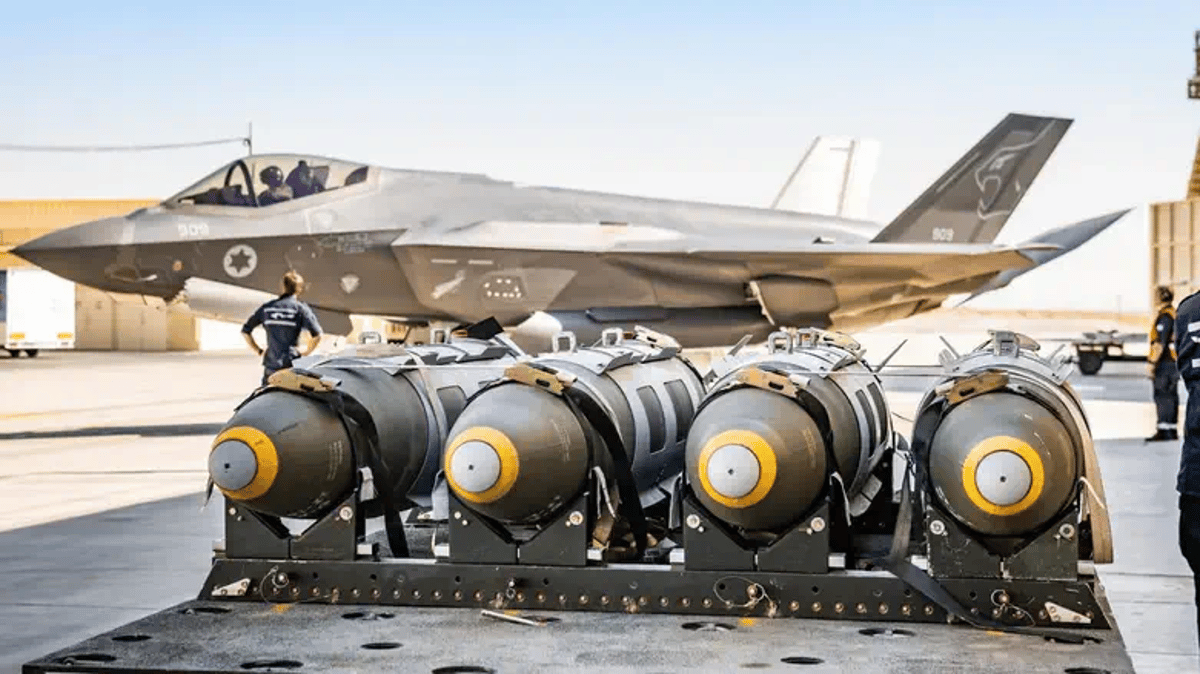
While Hegseth claimed the military is prepared, he did acknowledge that the Pentagon is looking to "supercharge" future weapons production. The administration plans to increase output to ensure that stockpile levels remain sufficient for future wars. This comes as several senators have warned that the U.S. has already fired "years’ worth of munitions" in just a few months.
The financial burden of the war is also becoming a major point of debate in Washington. Pentagon officials revealed that the estimated cost of the Iran war has now reached approximately $29 billion. This figure includes the price of replacing expended missiles and repairing military equipment that has been damaged or worn down during the campaign.
Critics, including Senator Chris Coons, have cautioned that tactical wins against Iran could lead to a "strategic loss" if military readiness suffers. The pace at which advanced weapons are being consumed has raised alarms about the U.S.’s ability to respond to other global threats. The Pentagon maintains that the $1.5 trillion budget for fiscal year 2027 is essential to addressing these gaps.
Joint Chiefs Chairman Gen. Dan Caine also testified, supporting the need for a massive increase in defense spending. The administration is pushing for a military that is both modernized and fully replenished. As the war continues, the debate over how much the U.S. can afford to spend, both in dollars and in physical munitions, shows no sign of slowing down.