Opening China's Market — On Trump's Terms
The stated centerpiece of the visit is economic. Trump telegraphed his agenda before boarding, posting on social media that he would ask President Xi Jinping, whom he described as "a leader of extraordinary ability," to tear down trade barriers and open China's market to the American companies traveling with him.
"So that these brilliant people can work their magic," Trump wrote.
The delegation reflects the ask: Musk, Cook, and Huang represent three of the most strategically consequential American technology companies, each with deep interests in Chinese market access. Critics, however, warned that Trump's previously expressed openness to allowing Chinese automakers into the US market could hand Beijing leverage it does not deserve and potentially trigger a crisis in the American auto industry.
Iran in the Room
Despite the economic framing, the Iran war is expected to dominate at least part of the talks behind closed doors. China has been a close partner of Tehran and a key buyer of Iranian oil, a relationship that has complicated US-led pressure on Iran throughout the conflict.
Trump, however, projected confidence and publicly brushed off any suggestion he needs Beijing's help on the issue. "I don't think we need any help with Iran," he told reporters before departing Washington.
He also referenced the ongoing American naval blockade of Iranian ports, saying there had been "no problem" with enforcement and that Xi "was my friend."
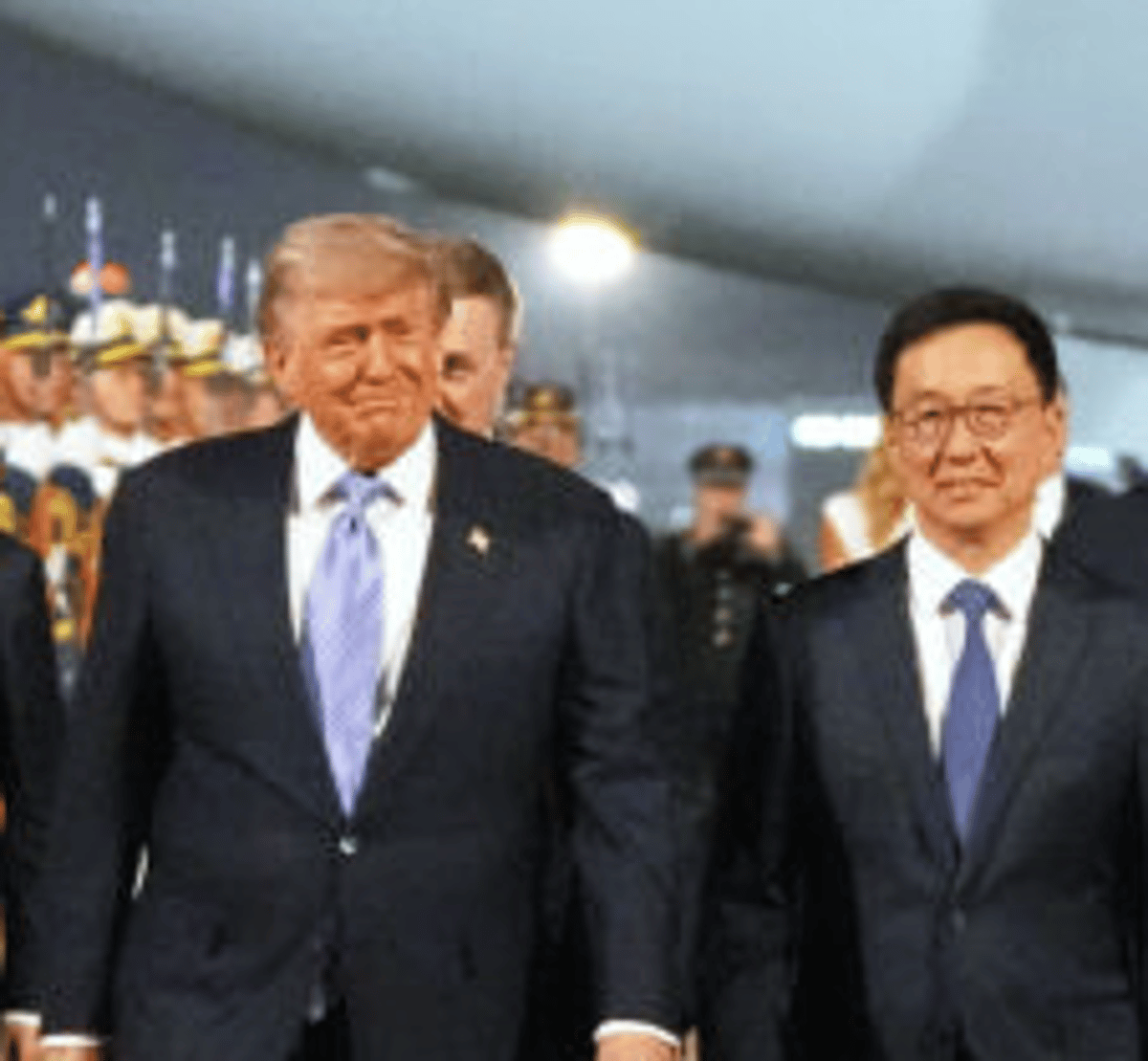
Discussions on Taiwan and the ongoing trade war are also on the agenda, with Trump scheduled to visit the Zhongnanhai compound, the fortified heart of China's political leadership, during his two-day stay.
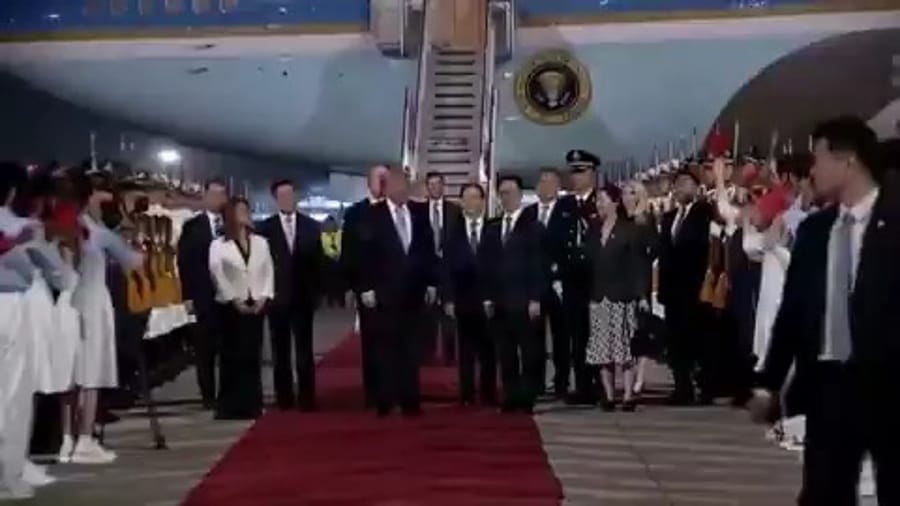
It is Trump's first visit to Beijing since 2017.