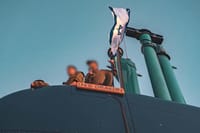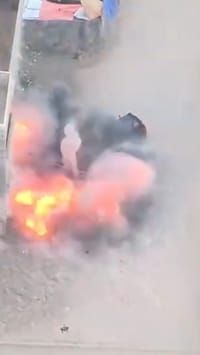
The Israel Defense Forces (IDF) have adapted a low-tech Ukrainian battlefield innovation, deploying motorized rotating wire fences to disrupt Hezbollah’s hard-to-jam fiber-optic guided drones in southern Lebanon operations.
Hezbollah has increasingly used small first-person view (FPV) drones controlled via thin fiber-optic cables, which lay along the ground as the drone advances. These systems are immune to traditional radio jamming and difficult for radar to detect, posing a persistent threat to IDF troops and vehicles.
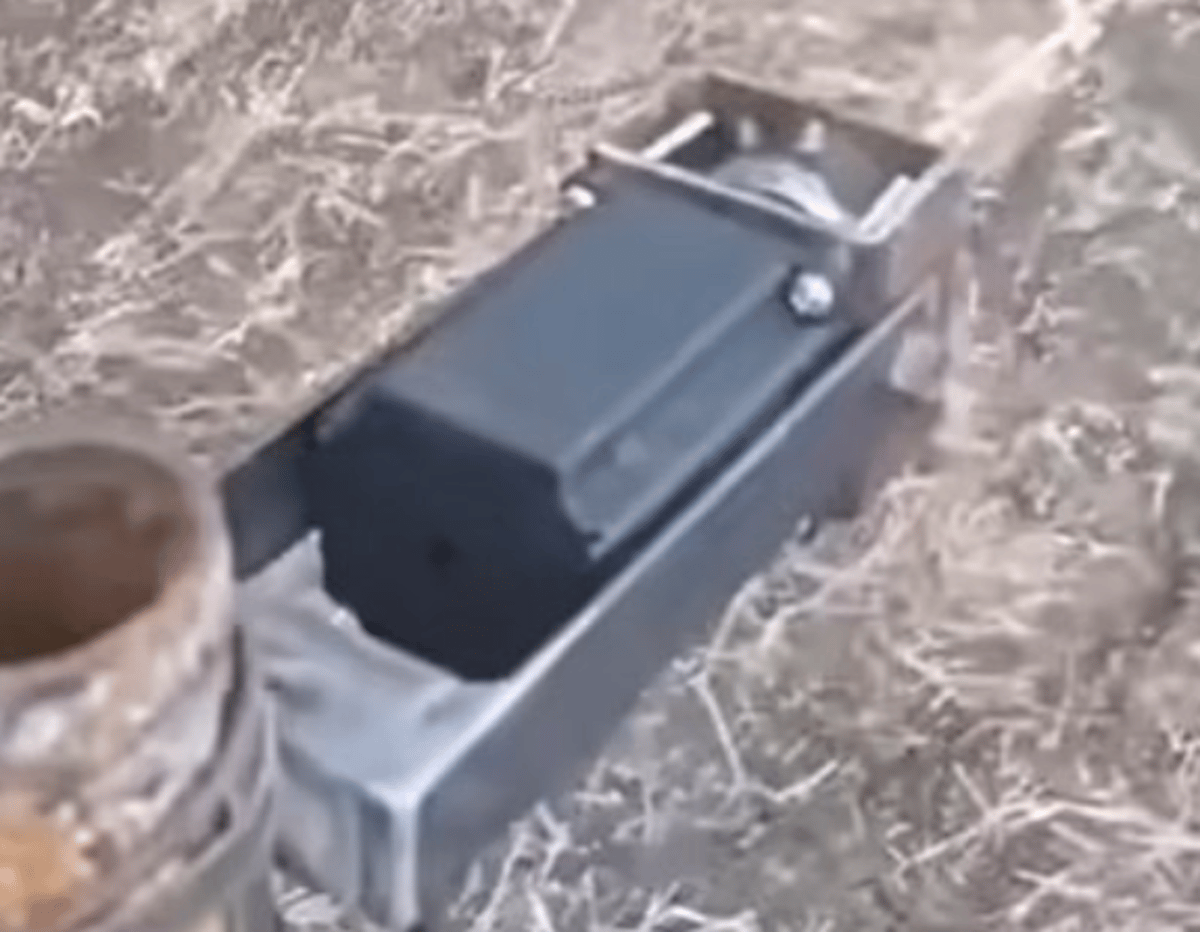
The new Israeli countermeasure features barbed or razor wire attached to iron poles, powered by small electric motors that keep the wire spinning continuously. When a drone’s trailing fiber-optic cable snags on the rotating barbs, it wraps around the wire, twists, and severs, breaking the control link and causing the drone to crash. tomshardware.com
The IDF’s Ground Technology Brigade developed the localized version, designed for rapid, independent deployment by individual battalions. The system emphasizes simplicity and quick installation in forward positions.
A senior IDF officer described a multi-layered defense strategy as the most effective approach against these threats. It combines:
- Nets draped over armored vehicles and outposts
- Wide deployment of various radar types with fused sensor data
- The new rotating wire fences
- FPV interceptor drones
- Shotguns and specialized ammunition ( so soldiers can shoot down drones without "friendly fire" ricochet risks) fired from soldiers’ personal weapons
Tens of thousands of 5.56mm frangible rounds, designed to fragment on impact for safer use near friendly forces while effective against small aerial targets,arrived in Israel recently and are being distributed to troops operating inside Lebanon.