AI Wars

Grok's Free Fall: Musk's AI Chatbot Loses 60% of Users as Rivals Surge

xAI's chatbot tumbles from second to fifth place globally • Monthly downloads collapse from 20M to 8.3M • SpaceX leases entire data center to rival Anthropic as Grok usage stalls | The AI race heats up (Technology)

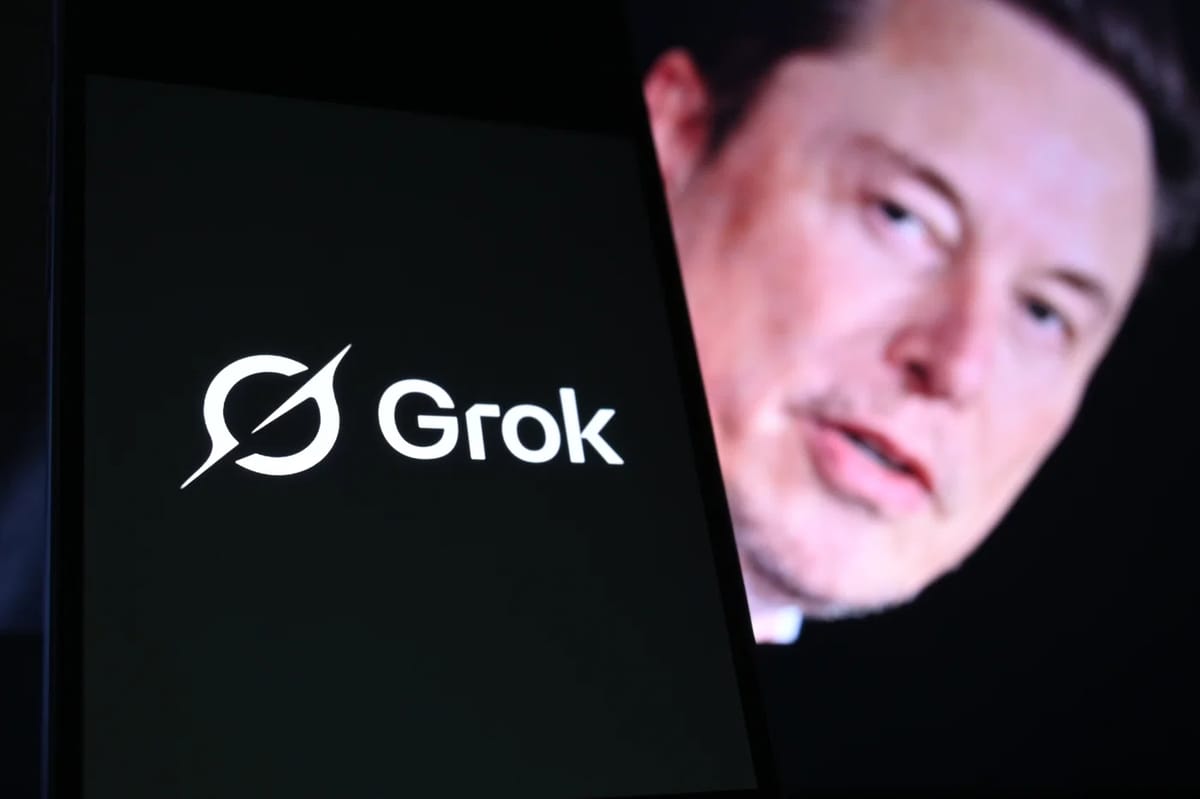
Grok, Elon Musk
Grok, Elon Musk (Photo: Shutterstock )

Elon Musk's artificial intelligence venture is facing a dramatic downturn as his Grok chatbot experiences a steep decline in user engagement and market position. New data reveals that the AI assistant, once positioned as a serious challenger to industry leaders, has lost significant ground to competitors in recent months.

According to analytics firm AppMagic, Grok's monthly app downloads have plummeted from over 20 million in January 2026 to approximately 8.3 million by April—a staggering 60% collapse in just three months. The decline represents one of the sharpest drops among major AI chatbot platforms during this period.

From Second Place to Fifth: A Rapid Descent

The trajectory has been particularly brutal for xAI's flagship product. Grok entered 2026 as the world's second most popular chatbot application, trailing only OpenAI's ChatGPT. By April, however, the platform had tumbled to fifth place globally, overtaken by Claude, Google's Gemini, and DeepSeek.

Data from Similarweb, as reported by Forbes, paints an equally concerning picture. Daily active users on Grok's mobile applications dropped from 13.9 million in March to 12.2 million in April—a 12.5% monthly decline. Website traffic followed a similar pattern, with daily visits falling from 10.5 million to 9.3 million during the same timeframe.

Perhaps most telling is the lack of traction among paying customers. A comprehensive survey conducted by research firm Recon Analytics, which polled over 260,000 Americans, found that only 0.174% of respondents paid for Grok in the second quarter of 2026. This figure remained virtually unchanged from the 0.173% recorded a year earlier. In stark contrast, more than 6% of those surveyed stated they had paid for ChatGPT subscriptions.

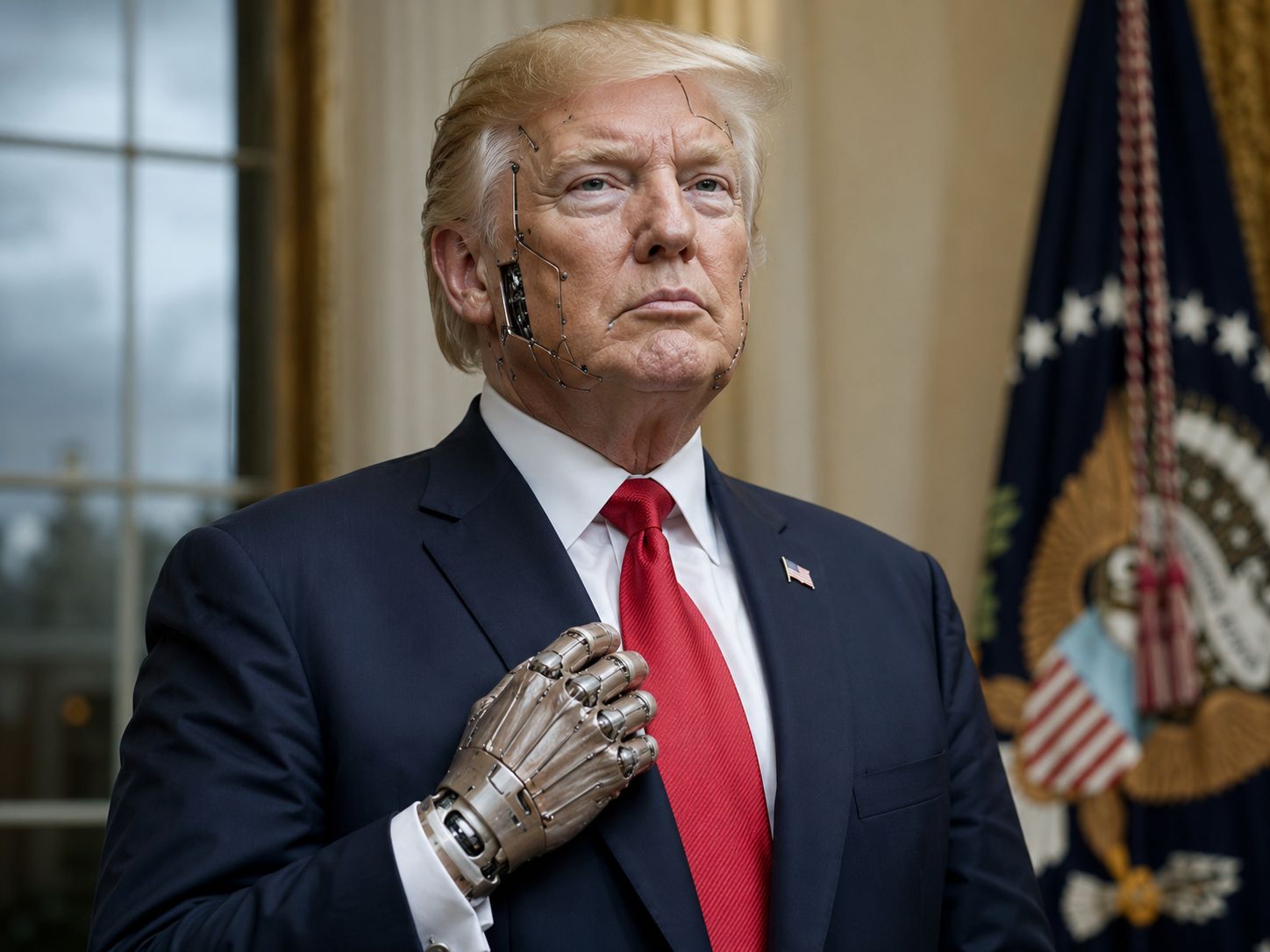
An AI Donald Trump. Illustration.
An AI Donald Trump. Illustration. (ChatGPT)

Competitors Accelerate While Grok Stalls

While Grok struggles, rival platforms have experienced explosive growth. Similarweb data indicates that Gemini's website visits surged 575% year-over-year, while Claude's traffic skyrocketed by 761% during the same period. According to StatCounter, ChatGPT maintained its dominant position with approximately 77% of the global chatbot market share in April 2026, followed by Gemini at 9% and Perplexity at nearly 8%.

Claude emerged as the fastest-growing chatbot in terms of quarterly user acquisition, posting 14% growth in April, with Gemini close behind at 12%. The competitive landscape has shifted dramatically, leaving Grok increasingly isolated in a market that shows no signs of consolidation.

Paywall Decisions and User Backlash

Several strategic missteps appear to have contributed to Grok's decline. In March 2026, xAI terminated free access to Grok Imagine, its image generation tool, placing it behind a $30 monthly paywall called SuperGrok. An April application update further restricted functionality for free-tier users, slowing down advanced features without clearly communicating the changes to the user base.

The modifications sparked widespread frustration across social media platforms, particularly on Reddit, where subscribers complained that even paid tiers experienced tightened usage limits. The lack of transparency regarding these restrictions damaged user trust and accelerated the exodus from the platform.

The SpaceX-Anthropic Deal: A Telling Indicator

Perhaps the most revealing sign of Grok's underutilization emerged in early May, when SpaceX announced an agreement to lease its entire Colossus 1 data center to Anthropic, the company behind Claude. The facility boasts over 300 megawatts of power capacity and more than 220,000 Nvidia GPU units—infrastructure originally intended to support xAI's operations.

As Fast Company noted, the arrangement suggests that xAI's models are being used at such low frequency relative to competitors that the company can afford to rent out a massive "colossal" data center to a direct rival. The deal underscores the stark reality: despite having access to cutting-edge computational resources, Grok has failed to attract the user base necessary to justify such infrastructure.

The development raises questions about the long-term viability of xAI's consumer-facing strategy. While Musk has recently reconciled with President Trump and secured government AI testing agreements through the White House's Center for AI Standards and Innovation, the consumer market tells a different story—one of declining relevance in an increasingly crowded field.

Industry observers note that Grok's struggles come at a critical juncture for the AI sector, as companies race to establish dominant positions before the market matures. Whether xAI can reverse this trajectory remains uncertain, but the current data suggests that Musk's chatbot faces an uphill battle to regain lost ground in the generative AI landscape.

Ready for more?

Join our newsletter to receive updates on new articles and exclusive content.

We respect your privacy and will never share your information.