
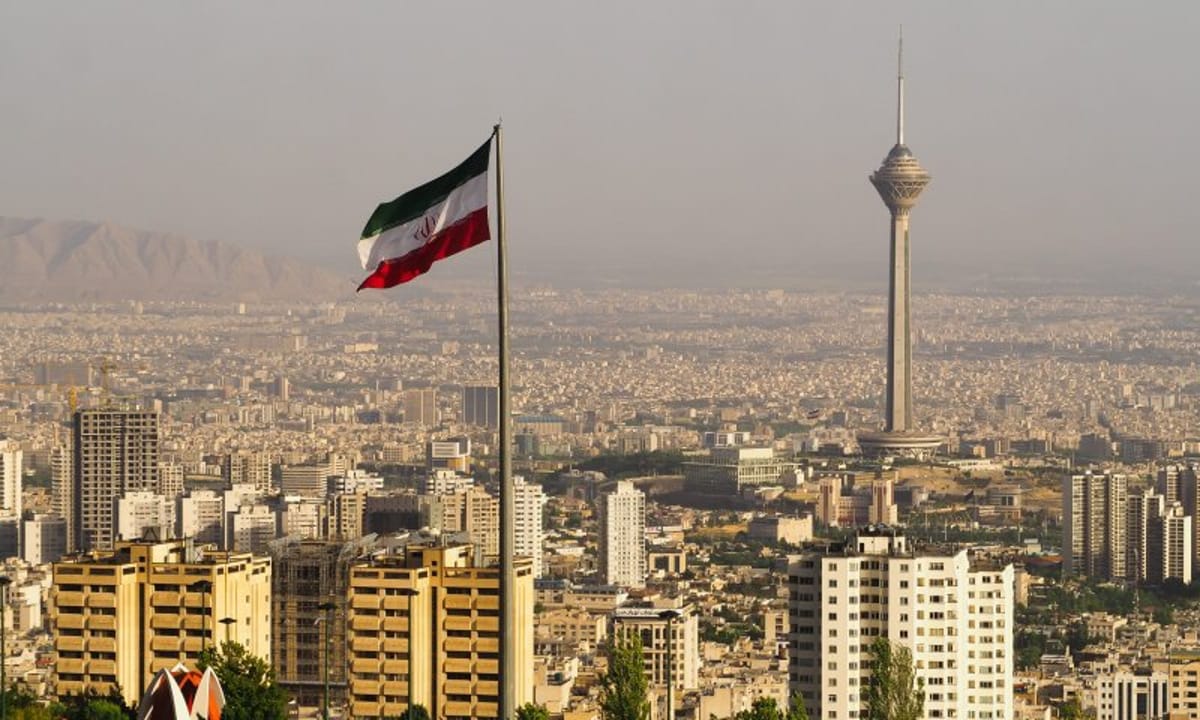
A series of nine small earthquakes struck the Pardis area east of Tehran overnight, renewing concerns that the Iranian capital remains highly vulnerable to a major seismic disaster.
Iran’s Mehr news agency reported that the tremors were recorded over a single night in eastern Tehran province, near the Mosha fault, one of the country’s most active seismic zones. State media said one of the earthquakes reached a magnitude of 4.6, but no casualties or material damage were reported.
Small earthquakes are common in the region, but experts noted that several tremors occurring in sequence is less routine and has raised questions about whether deeper tectonic pressure is shifting beneath the capital area.
Semi-official Mehr cited seismologist Mehdi Zare as saying it remains unclear whether the activity reflects a release of built-up seismic energy, which could reduce pressure along the fault, or whether it may point to stronger activity ahead. He said the pattern requires close monitoring because of Tehran’s location near several major active faults.
The capital sits close to the North Tehran, Mosha and Rey fault systems, all of which have long been identified by Iranian experts as serious hazards. Tehran’s risk is compounded by its size, dense construction, aging infrastructure and limited emergency preparedness.
Zare warned that even moderate earthquakes can cause significant disruption in the city because of congestion, fragile buildings and the difficulty of moving emergency crews through crowded neighborhoods. A larger earthquake near the capital could have catastrophic consequences.
The greater Tehran metropolitan area is home to more than 14 million people, making any major seismic event a national crisis. Iranian seismologists have repeatedly warned that the city is not prepared for a powerful earthquake, despite years of public discussion about the danger.
Iran is one of the world’s most earthquake-prone countries, sitting at the meeting point of several major tectonic plates. The country has suffered repeated deadly earthquakes, including the 2003 Bam earthquake, which killed more than 30,000 people and remains one of the deadliest disasters in modern Iranian history.
The latest tremors caused no immediate damage, but they have revived public anxiety in and around Tehran. For residents already under pressure from war, sanctions and economic strain, the overnight sequence served as another reminder that the capital’s risks are not only political and military, but geological as well.