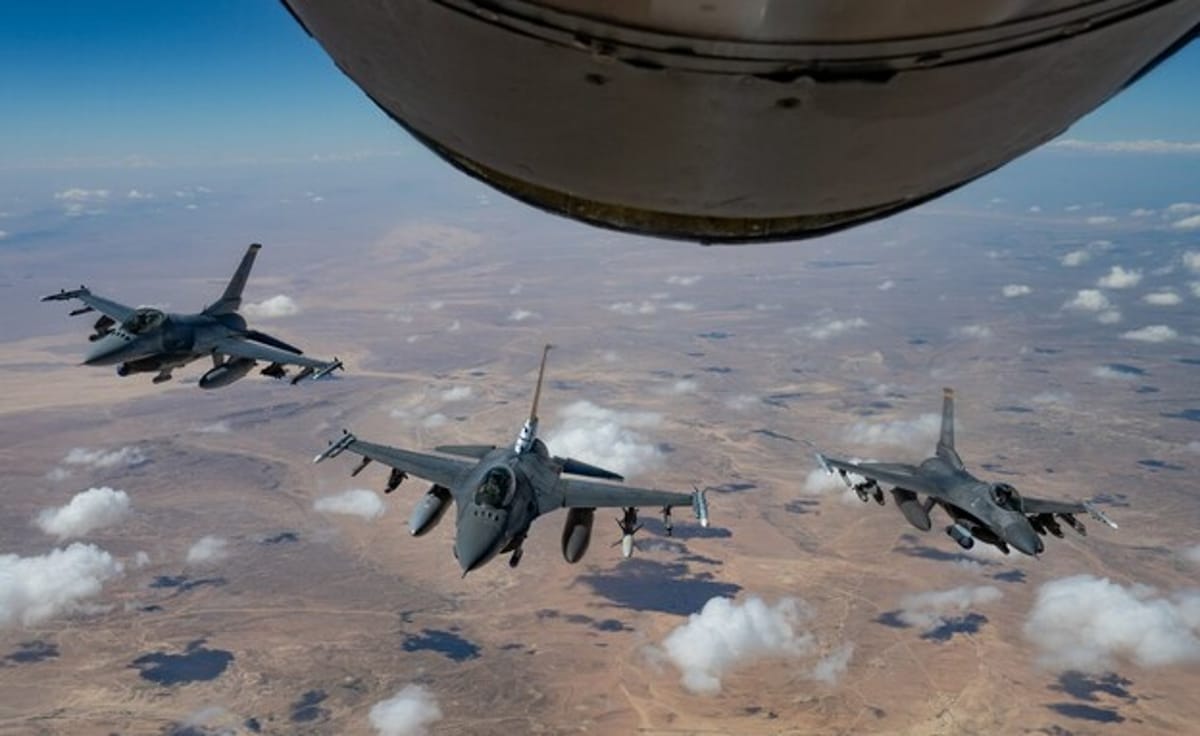
The world is waiting for a decisive move from the White House as President Donald Trump prepares to conclude his diplomatic mission in China and return to Washington. Israeli intelligence and political officials believe that the President will finalize his strategy for the next phase of the war with Iran within the coming days. The prevailing assessment in Jerusalem is that recent diplomatic backchannels between Washington and Tehran have failed to produce a viable breakthrough, leaving military action as the most likely next step.
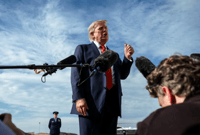
During a recent briefing with reporters, President Trump took a characteristically hard line against the Iranian nuclear program. He stated clearly that he would only accept a "good deal" and that the world should not be "playing games" with such a serious threat. "Any person who is willing for Iran to have a nuclear weapon is a fool. It won’t happen, 100%," the President asserted, signaling that his patience with the current stalemate has finally reached its breaking point.
As the President travels back from the Far East, he has been presented with a menu of aggressive military options by his national security team. These range from a targeted naval operation to seize control of the Strait of Hormuz to a massive kinetic strike against Iran's most vital energy and gas infrastructure. Trump has alluded to these possibilities in recent weeks, often sounding frustrated by the defiant rhetoric coming out of the Iranian leadership despite the crippling economic blockade.
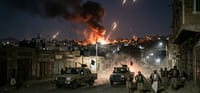
In Israel, the defense establishment is moving into a state of high alert in anticipation of a potential American escalation. Security officials are preparing for the possibility of a rapid deterioration in the regional situation as soon as this weekend. This includes bolstering aerial defense systems and coordinating closely with American counterparts to ensure that any U.S. move is met with a unified front, should Iran decide to retaliate against Israeli targets.
The primary goal of any potential American military action would be to force the Iranian regime back to the negotiating table on much humbler terms. The U.S. administration believes that the "maximum pressure" campaign has reached a critical juncture where a physical demonstration of force is required to prove that the blockade is not just an economic measure, but a precursor to total military intervention.
The coming days represent a significant convergence of deadlines and diplomatic pressures. With the 30-day negotiation window closing and the rhetoric from both sides reaching a fever pitch, the President’s return from China marks a potential turning point in the war. Whether through a new round of devastating strikes or a sudden diplomatic capitulation, the landscape of the Middle East is expected to shift dramatically by the end of the week.