Why Tehran Believes It's Winning the War
Regime leverages global famine threat and shadow banking networks • Western economies buckle under fuel prices and supply chain collapse | Tehran's endgame revealed (World News)

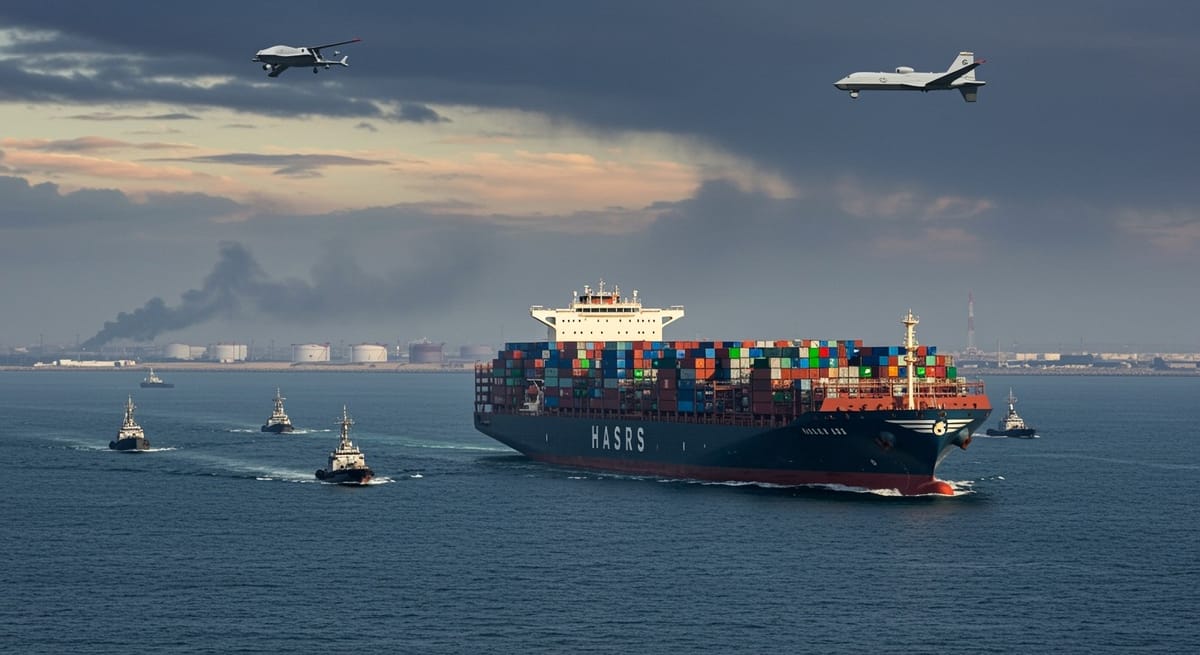
While Western capitals debate military budgets and congressional authorization, Tehran has quietly concluded it has already won its confrontation with the United States. The Iranian regime's confidence stems not from battlefield victories, but from a calculated assessment that its closure of the Strait of Hormuz has inflicted economic damage far exceeding anything American military power can reverse.
The regime's strategic thinking centers on a simple premise: by weaponizing global supply chains and energy markets, Iran has transformed itself from a besieged nation into the architect of a worldwide economic crisis. This perception of victory persists even as the regime faces its own severe hardships, suggesting Tehran views the conflict through a fundamentally different lens than its adversaries.
The Famine Weapon: Tehran's Ultimate Leverage
According to United Nations assessments, the prolonged closure of the Strait of Hormuz has created conditions for a potential global famine. The blockade has strangled the supply of affordable energy and critical agricultural additives, particularly nitrogen-based fertilizers essential for sustaining crops in the developing world. African agriculture, which relies heavily on Middle Eastern nitrogen exports to farm otherwise infertile or arid lands, faces imminent collapse.
Iranian strategists understand that the Strait of Hormuz serves as more than an oil chokepoint. The waterway functions as a vital artery for chemical byproducts of energy extraction used in global food production. UN reports highlight a "real and immediate possibility" that the lack of these supplies will decimate agricultural output, with experts warning that even Europe could face severe food shortages. From Tehran's perspective, this represents leverage that no amount of American military hardware can neutralize.

Political Fractures in Washington
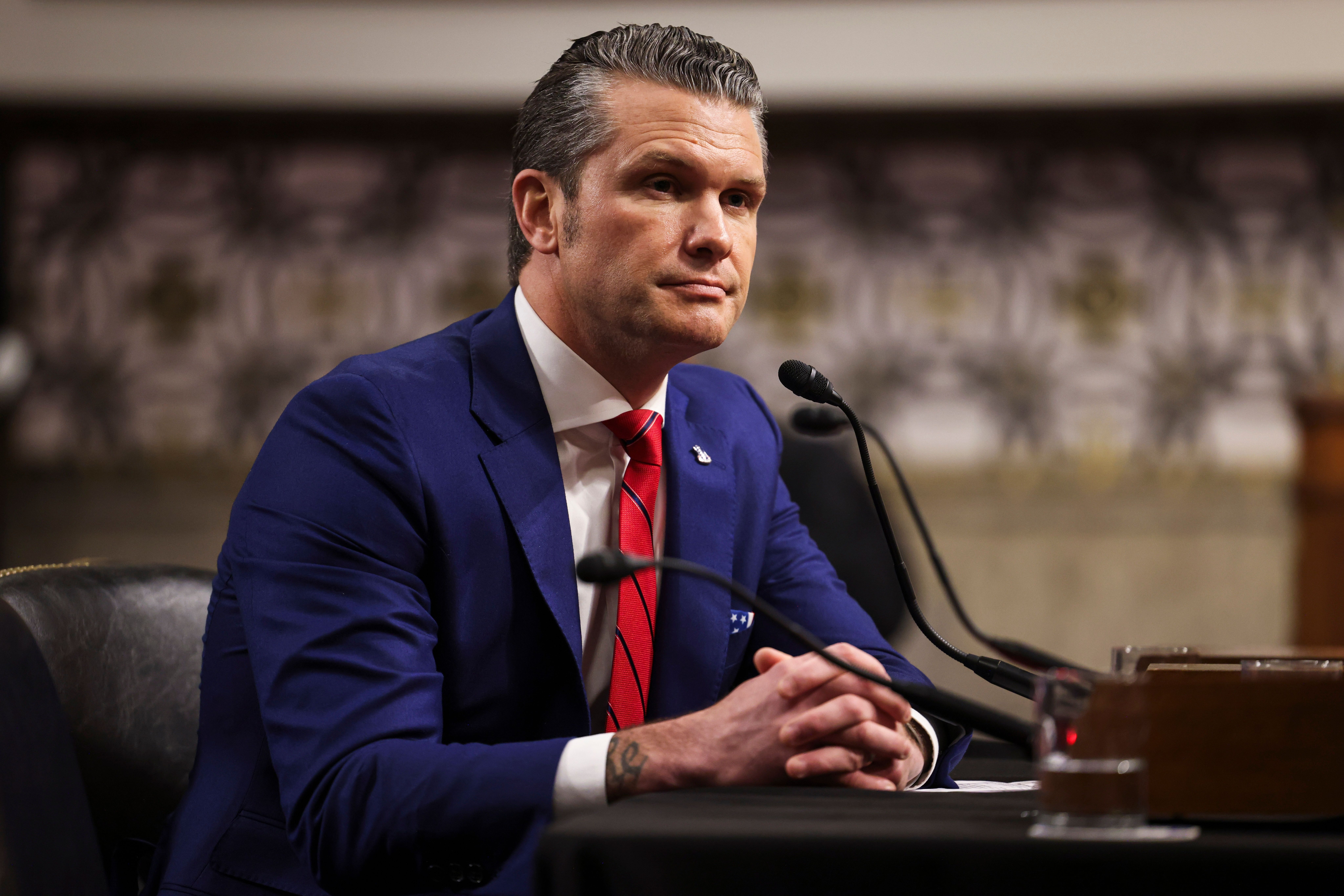
The regime has closely monitored growing political tensions within the United States over the conflict. Secretary of War Pete Hegseth faces mounting pressure from lawmakers, including some Republicans, who have raised concerns about the length of the conflict and the absence of congressional authorization. The war has increasingly become a political liability for President Donald Trump and congressional Republicans, particularly as fuel prices continue climbing ahead of midterm elections.
Iran has effectively blocked the strait, through which roughly 20% of the world's oil normally passes, while the US has maintained a blockade on Iranian ports. This mutual strangulation has created economic pain on both sides, but Tehran calculates that democratic pressures will force Washington to blink first. The Trump administration's proposed $1.5 trillion defense budget for 2027 signals American commitment, yet Iranian analysts believe domestic political realities will ultimately constrain U.S. options.
The Turkish Lifeline: Shadow Banking at Scale
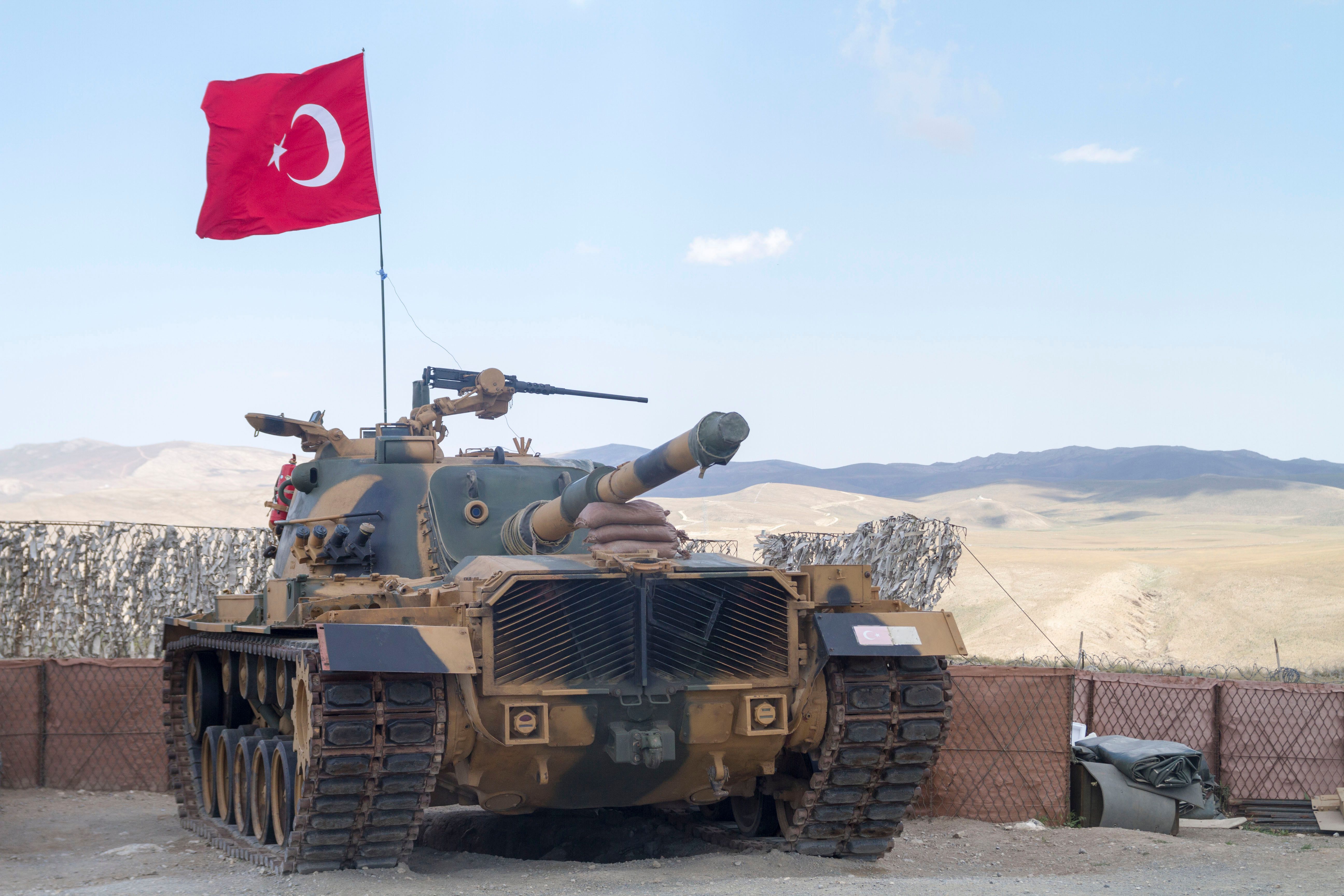
While Iran endures significant economic hardship from the U.S.-led naval blockade, the regime has successfully established a massive financial bypass through Turkey. Intelligence reports indicate Tehran has shifted the vast majority of its monetary activities into Turkish territory to circumvent international sanctions. This shadow economy relies on a complex web of cryptocurrency, physical cash, and gold reserves to keep the regime's war machine and domestic infrastructure functioning despite being cut off from global banking.
A significant portion of this activity operates through the "Hawala" system, an ancient and informal money transfer mechanism that functions outside the view of international regulators. By using this network, Iranian intermediaries exchange oil, raw commodities, and foreign currency with Turkish counterparts in return for U.S. dollars. This system provides the regime with the liquidity it needs to manage its internal crisis while maintaining military operations. For Tehran's leadership, the mere survival of this financial architecture represents a strategic victory over Western sanctions.

The Digital Threat: $10 Trillion in Daily Leverage
Perhaps most revealing of Iran's confidence is its recent threat to weaponize undersea internet cables passing through its territorial waters. The Iranian Revolutionary Guard announced its intention to collect "usage and maintenance fees" from multinational technology companies whose data traverses the Strait of Hormuz region. This move represents an attempt to hold the global banking infrastructure hostage as a counter to the U.S. naval blockade.
The stakes of this digital threat are astronomical. These fiber optic lines carry an estimated $10 trillion in financial transactions and cloud data every single day. Most notably, the SWIFT system, which connects over 11,000 banks across 200 countries, relies on these cables to process international payments. A disruption to this network would effectively freeze global commerce, preventing importers from paying suppliers and halting stock market operations across Asia and Europe. Tehran views this capability as the ultimate deterrent, a weapon that makes traditional military superiority irrelevant.

The 'Weak' Offering: Calculated Posturing
Recent Iranian diplomatic overtures, dismissed by Western observers as weak or insufficient, may actually reflect a regime confident enough to offer minimal concessions. From Tehran's perspective, the current stalemate serves its interests. Every week the Hormuz closure continues, global economic damage accumulates while Iran's shadow financial networks grow more sophisticated and entrenched.
The regime's calculus appears to be that time favors Iran. As developing nations face agricultural collapse, as European economies struggle with energy shortages, and as American voters grow weary of rising fuel costs, pressure will mount on Western governments to accept a settlement on Tehran's terms. The regime's "weak" offerings may be designed not to resolve the crisis, but to demonstrate that Iran can afford to wait while its adversaries cannot.
This strategic patience reflects a fundamental shift in how Iran views asymmetric warfare. Rather than seeking military parity with the United States, the regime has identified economic chokepoints where a smaller power can inflict disproportionate damage. Whether this assessment proves accurate remains to be seen, but Tehran's confidence suggests it believes the question is not if it will prevail, but when the West will acknowledge the new reality.
For now, and with very little to show for it, we are all quite literally paying the price.