
Europe's aviation safety regulator extended its warning against flying to Israel and the broader Middle East today, keeping in place restrictions that have left Ben Gurion Airport isolated from most of the continent's major carriers since the outbreak of war with Iran in late February.
The European Union Aviation Safety Agency updated its Conflict Zone Information Bulletin on May 12, extending its validity until May 27, 2026, with amendments to both its description and recommendations.
The bulletin, which has been renewed repeatedly since it was first issued following the US-Israeli strikes on Iran, applies to a vast swathe of the region. It covers the airspace of Bahrain, Iran, Iraq, Israel, Jordan, Kuwait, Lebanon, Oman, Qatar, the United Arab Emirates, and Saudi Arabia.
The Reasoning: A Ceasefire That Isn't Settled
EASA's position reflects a cautious reading of the fragile security environment since the April ceasefire. The agency notes that while a temporary ceasefire between the United States and Iran, announced on April 8 and subsequently extended on April 21, is currently holding, the situation has moved from active intense conflict to a state of heightened tension with limited, sporadic activity, one that still requires monitoring to assess whether it leads to a sustained reduction of risk to civil aviation.
The agency advises that operators should not fly within the airspace of Iran, Iraq, and Lebanon at any altitude, while those operating in the airspace of Bahrain, Kuwait, Israel, Jordan, Qatar, Oman, the UAE, and Saudi Arabia should exercise caution and maintain current risk assessments and contingency planning, prepared for short-notice instructions from state authorities.
Where the Major Airlines Stand
The regulatory bulletin is the backbone of a broader freeze by Europe's leading carriers. Wizz Air, the Hungarian low-cost carrier that had been preparing to establish a major hub at Ben Gurion Airport and had flown more than 300,000 passengers to and from Israel this year, has now extended its cancellations through May 26.
The timing is particularly awkward: Israel's Transportation Ministry last week froze talks with Wizz Air over establishing an operating base in Israel, a project that had included roughly $1 billion in investment, 10 aircraft stationed in Israel, and dozens of new routes.
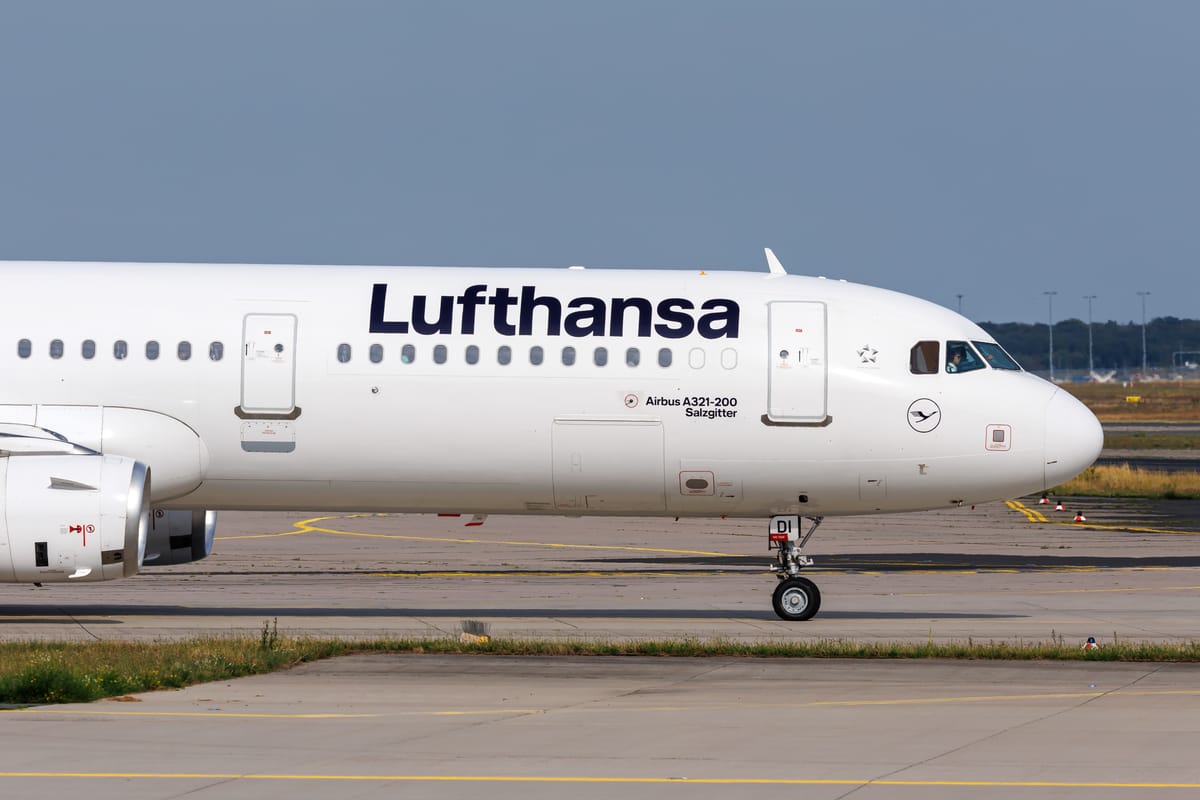
The Lufthansa Group, whose brands include Lufthansa, SWISS, Austrian Airlines, Brussels Airlines, and Eurowings, has extended its suspension of Tel Aviv routes until the end of June, though it left open the possibility that some flights could resume as early as June 1, subject to a security assessment. British Airways has pushed its suspension through June 30. US carriers Delta, United, and Air Canada have suspended Israel routes until September.
Not all carriers are holding back. Some airlines have already resumed routes to Ben Gurion, including Aegean Airlines, Etihad Airways, Flydubai, Hainan Airlines, and Cyprus Airways. Air France resumed daily nonstop service from Paris Charles de Gaulle after a brief interruption, and Wizz Air itself had partially resumed operations before its latest extension. But these remain exceptions in a market still dominated by caution.
Background: A War That Grounded a Country
The cascade of flight suspensions began on February 28, 2026, when the United States and Israel conducted military strikes against Iranian territory. Iran responded with retaliatory attacks, creating high risks not only in Iranian airspace but across neighbouring states hosting US military bases or otherwise caught in the conflict. Israel's airspace was effectively shut to commercial traffic for weeks, with only Israeli flag carriers operating limited repatriation flights to bring home tens of thousands of stranded citizens.
The repeated weekly and fortnightly extensions of the EASA bulletin have meant that airlines dependent on European regulatory guidance have been unable to commit to firm return dates, making it nearly impossible for travelers to plan, and keeping the tourism and business travel sectors in a prolonged state of paralysis.
What Happens Next
EASA has said it will continue to closely monitor the situation and assess whether the threat and risk environment is increasing or decreasing. Another update is expected before May 27. Whether the agency will finally lift its warning at that point, or extend again for a further period, will depend heavily on whether the ceasefire holds and whether sporadic military activity in the region subsides.
For Israeli travelers and the aviation industry, the arithmetic is bleak either way: even if EASA were to lift its bulletin on May 27, airlines like Wizz Air have stated they require approximately two weeks of logistical preparation before resuming service, meaning the earliest realistic window for a broader European return to Ben Gurion remains mid-June at the very soonest.