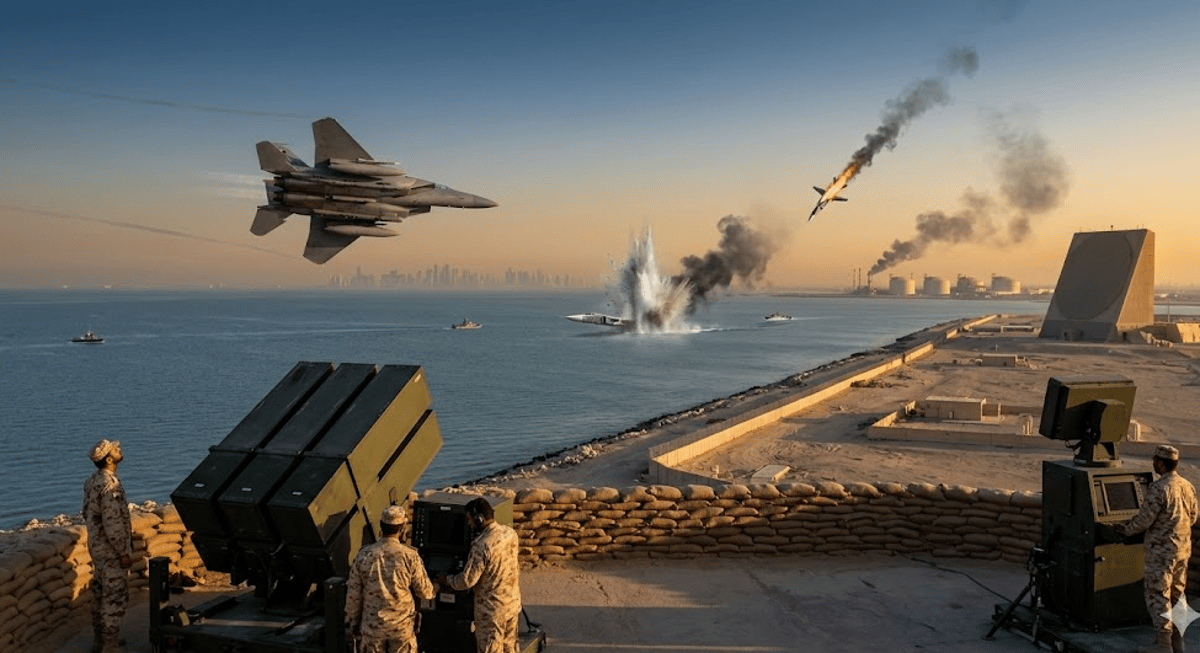
New details have emerged regarding a high-stakes meeting that took place just over a week ago, revealing that the United States was on the verge of resuming a massive air campaign across Iran. According to security sources, the decision to launch the strikes was ready for final authorization last Saturday following the perceived failure of the Pakistani-mediated peace talks. The move was only halted at the final moment when advisors within President Trump's inner circle convinced him to allow one last diplomatic attempt before returning to war.
Intelligence assessments within the Israeli security establishment point to Mojtaba Khamenei, the son of Iran’s Supreme Leader, as the primary individual sabotaging the negotiations. Reports suggest that the younger Khamenei initially blocked all forms of communication with Washington. Only after intense pressure from Pakistan and other regional actors did he permit limited talks, though he continues to insist on "red lines" that are fundamentally unacceptable to the United States and Israel.
Within the IDF, a unified front has formed among the top brass regarding the next phase of the war. Chief of Staff Eyal Zamir, along with the heads of Military Intelligence and the Air Force, are reportedly urging the political echelon to consider strategic hits on Iranian national infrastructure. They argue that such a move would exacerbate the already severe liquidity crisis and sharp price increases in Iran, directly undermining the regime’s ability to govern an increasingly restless public.
The pressure on Tehran is mounting as the U.S. naval blockade continues to produce tangible results. American officials report that they have successfully prevented 70 Iranian tankers from entering their home ports. This has created a logistical nightmare for the regime, which is now desperate to empty its overflowing storage tanks into empty tankers. Without this outlet, Iran may be forced to stop pumping oil entirely or even burn its existing crude to avoid permanent well damage.
The Iranian regime is currently trapped in a negative cycle of economic desperation and military vulnerability. The U.S. Navy has even opened fire on tankers that attempted to evade the blockade, hitting the chimneys of vessels that refused to stop. These "enforcement shots" serve as a constant reminder that the maritime siege is airtight and that the regime’s primary source of income is effectively frozen until a signature is placed on the peace deal.
As the world awaits the final outcome of the 30-day negotiation window, the "Saturday Crisis" serves as a warning of how close the region is to total conflagration. The U.S. military remains in a state of immediate readiness to execute its "remaining 25 percent" of targets if the diplomatic track is officially declared dead. For now, the focus remains on whether the "last chance" for peace can overcome the hardline stance of the shadow leadership in Tehran.