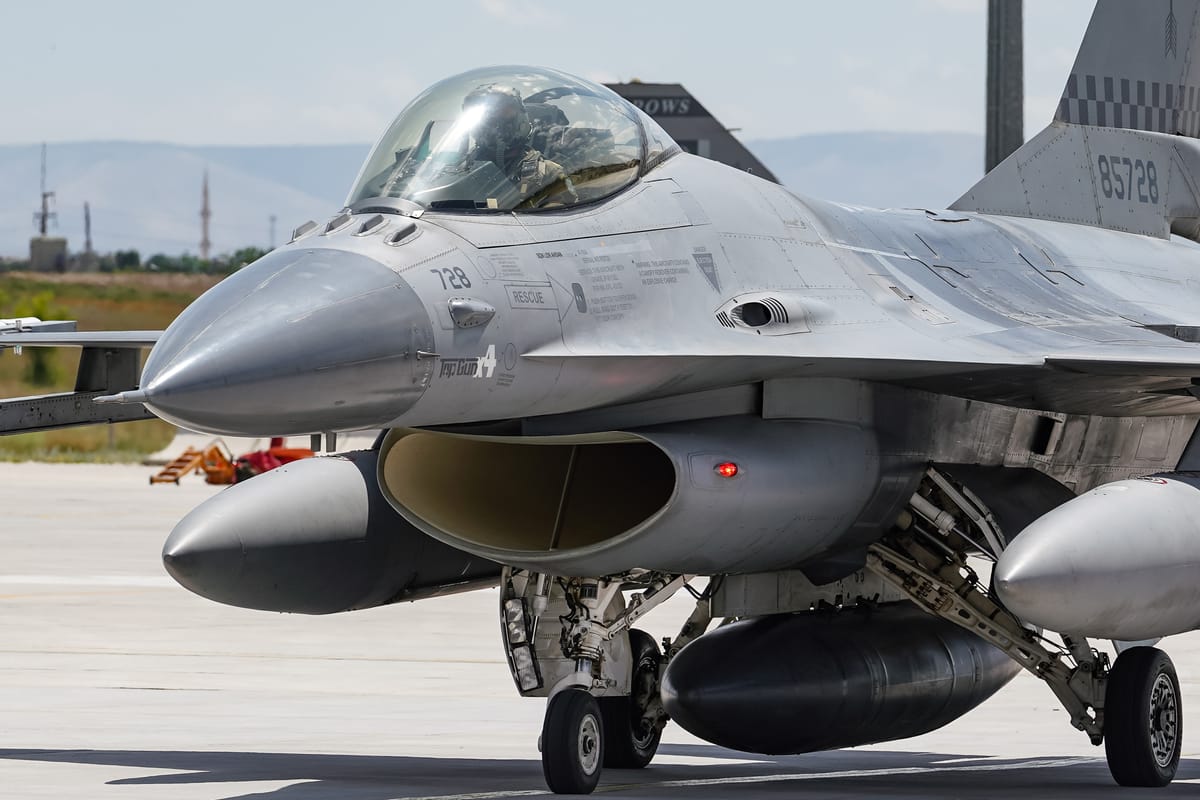
A major diplomatic and military scandal has erupted following reports from CBS News that Pakistan and Afghanistan have allowed the Iranian regime to hide military and civilian aircraft on their bases. This move was reportedly designed to protect the Iranian fleet from the devastating U.S. led "Mighty Fury" air campaign. Among the assets moved to safety was a converted RC-130 "Saba," a critical Iranian intelligence and surveillance platform, which was allegedly spotted at Pakistan's Nur Khan Air Force Base.
The revelation has triggered a furious response from U.S. Senator Lindsey Graham, who demanded an immediate and complete re-evaluation of Pakistan's role as a mediator in the war. Graham stated that if the reporting is accurate, it would prove that Islamabad has been playing a dangerous double game. "Given some of the prior statements by Pakistani defense officials towards Israel, I would not be shocked if this were true," Graham remarked, signaling a collapse of trust in the intermediary.
The news that a supposedly neutral mediator is actively sheltering the enemy’s military assets has sent shockwaves through the White House. U.S. officials, speaking on the condition of anonymity, noted that this cooperation between Tehran, Islamabad, and Kabul significantly complicates the American goal of neutralizing Iran’s aerial capabilities. It suggests that the "wall of steel" established by the U.S. has significant gaps that the Iranian regime is exploiting through its regional neighbors.
In Tehran, the mood remains one of defiance, with senior advisor Ali Akbar Velayati taunting President Trump on social media. Velayati told the President to "learn the alphabet of the new geopolitical order" and claimed that Iran had already defeated the U.S. on the physical battlefield. He warned Trump not to imagine a diplomatic victory, asserting that the regional reality has changed in ways Washington does not yet understand. This rhetoric reinforces the belief that Iran feels shielded by its regional partners.
The discovery of the Iranian ISR (Intelligence, Surveillance, and Reconnaissance) platform in Pakistan is particularly troubling for defense planners. These aircraft are essential for tracking U.S. naval movements and coordinating drone strikes in the Gulf. By providing a safe haven for these "eyes in the sky," Pakistan has effectively interfered with the American naval blockade and the security of the international shipping lanes.
As President Trump prepares for his high-stakes visit to China, the "Pakistan problem" has moved to the top of the agenda. The administration must now decide whether to penalize a long-time ally for its cooperation with Tehran or attempt to salvage the mediation track. For Senator Graham and many of his colleagues, the time for diplomatic patience has ended, and the focus must return to a purely military solution to the Iranian threat.