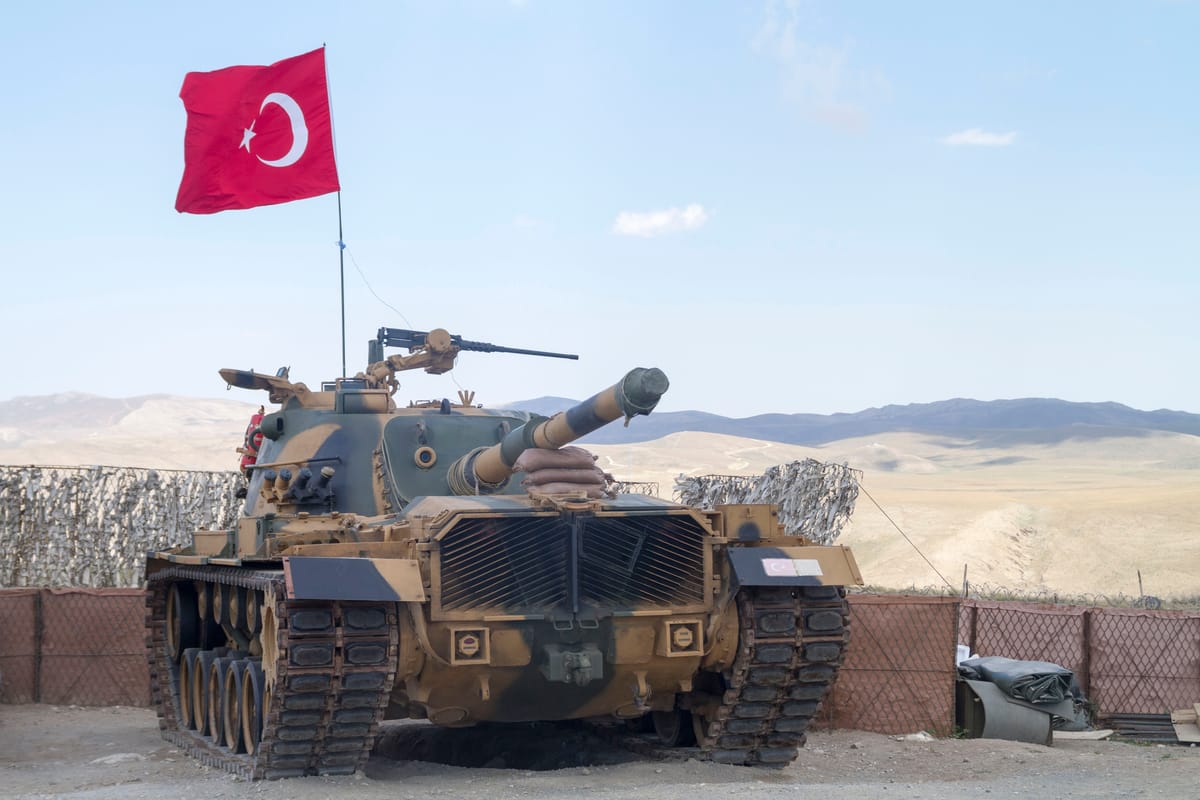
The Iranian regime has successfully established a massive financial bypass through Turkey to mitigate the devastating effects of the U.S. led naval blockade in the Strait of Hormuz. According to recent intelligence reports, Tehran is moving the vast majority of its monetary activities into Turkish territory to circumvent international sanctions. This shadow economy relies on a complex web of cryptocurrency, physical cash, and gold reserves to keep the regime’s war machine and domestic infrastructure functioning despite being cut off from global banking.
A significant portion of this activity is being processed through the "Hawala" system, an ancient and informal money transfer mechanism that operates outside the view of international regulators. By using this network, the Iranians are able to exchange oil, raw commodities, and foreign currency with Turkish intermediaries in return for U.S. dollars. This system provides the regime with the liquidity it needs to manage its internal crisis while avoiding the digital footprint left by standard wire transfers.
A constant stream of private aircraft is reportedly moving along a strategic triangular route between Russia, Turkey, and Iran. These flights are believed to be transporting heavy loads of physical gold and currency, reinforcing the alliance between the three nations as they coordinate to resist American economic pressure. This aerial bridge ensures that high-value assets can be moved quickly and securely, bypassing the maritime "wall of steel" established by the U.S. Navy.
Furthermore, Chinese payments for Iranian oil are now flowing directly through Turkish financial channels. This ensures that Beijing can continue to receive energy supplies without directly triggering U.S. secondary sanctions on its own major banks. The use of Turkey as a regional clearinghouse has effectively turned the country into Iran’s most vital economic lifeline, complicating Washington’s efforts to force a total surrender through the current maritime siege.
The shift to Turkey highlights the limitations of a purely naval blockade in a world of digital finance and informal trade. While the U.S. successfully blocks 70 percent of Iranian tankers, the flow of wealth has simply moved to the skies and the shadow markets of Istanbul. For the Iranian leadership, this "Turkish connection" is the only thing preventing a total domestic collapse as they navigate the 30 day window of the current diplomatic standoff.
World energy markets are watching these developments closely, as the efficiency of this shadow network determines how much longer Iran can hold out against President Trump’s "maximum pressure." As long as Turkey remains a viable financial hub for Tehran, the Iranian regime believes it has the strategic depth to resist American demands. This reality sets the stage for a potential diplomatic confrontation between Washington and Ankara over the enforcement of the regional blockade.