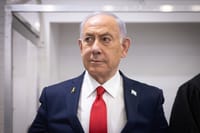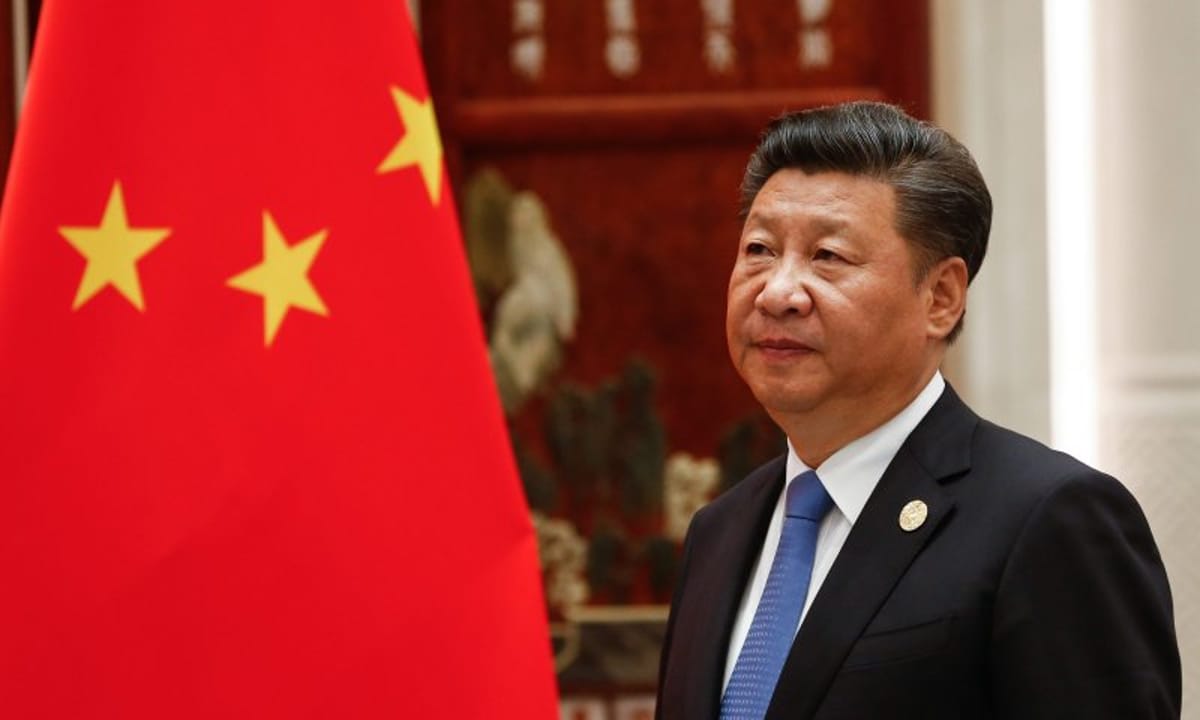
A fresh diplomatic row has erupted between Jerusalem and Beijing after Prime Minister Benjamin Netanyahu publicly accused China of providing military support to the Iranian regime. During an interview with CBS News, the Prime Minister claimed that China has supplied "certain components" and a "certain level of support" for the production of Iranian missiles. Netanyahu noted that he was deeply unhappy with these developments, though he refrained from providing specific intelligence details just days before a planned summit between the U.S. and China.
The Chinese Foreign Ministry was quick to respond, with spokesperson Guo Jiakun labeling the accusations as "baseless" and "not founded on facts." In a statement to the international media, Jiakun asserted that as a responsible global power, China faithfully fulfills all of its international obligations. He claimed that Beijing is committed to promoting de-escalation and peace talks to end the regional war, and he flatly rejected any suggestion that his country is facilitating Iranian military expansion.
This tension is compounded by recent claims from President Donald Trump, who revealed that the U.S. Navy recently intercepted an Iranian vessel carrying "not so nice" equipment from a Chinese port. Trump suggested that these goods were likely a "gift" from China to Tehran, a discovery he claimed left him in a state of shock. Despite his personal rapport with President Xi Jinping, Trump warned that the U.S. would handle these violations of the naval blockade in accordance with the "nature of war."
The timing of these accusations is particularly sensitive as Trump prepares to travel to Beijing for a summit expected to focus on trade, artificial intelligence, and global energy. The U.S. administration plans to demand that China exert significantly more pressure on Tehran to accept the 14 point peace deal. However, the public denials from the Chinese side suggest that they are not yet ready to abandon their strategic partnership with the Islamic Republic or admit to any breach of international sanctions.
Military analysts point out that Iranian missiles have increasingly utilized sophisticated electronics and materials that are not produced domestically. While many of these parts are available on the global black market, the direct involvement of a state actor like China would represent a major shift in the geopolitical balance. For Netanyahu, making these claims public is a way to ensure that the U.S.-China summit addresses the "head of the snake" in the Middle East.
As the war with Iran continues to dominate the global agenda, the relationship between Israel and China has reached a new low. For years, the two nations maintained strong economic ties, but the current war has forced a realignment. Jerusalem now views Beijing’s "neutrality" as a thinly veiled support for the Iranian axis, while China views the Israeli and American pressure as an attempt to dictate its foreign policy through sanctions and military force.