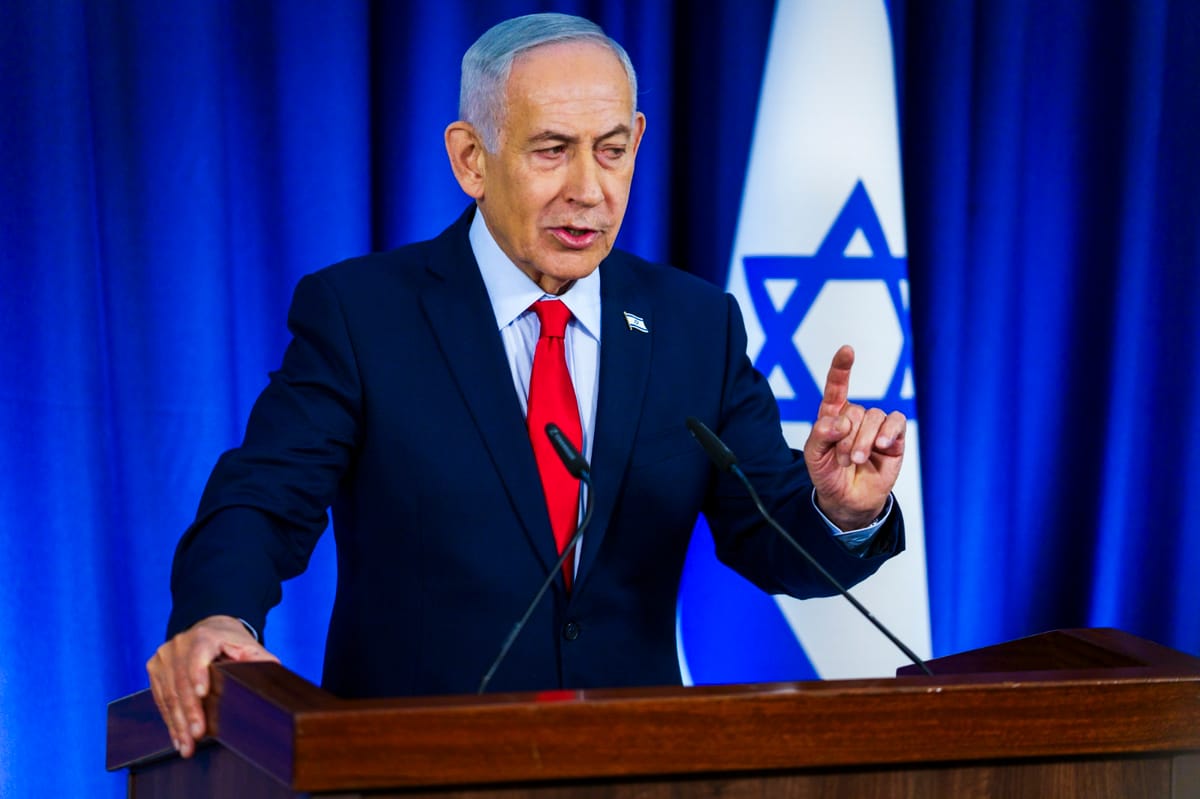
The Israeli political landscape has been rocked by a dramatic announcement from Rabbi Dov Lando, the preeminent leader of the Lithuanian Haredi community. The 96-year-old sage issued a statement through the Degel HaTorah party declaring that the concept of a unified "Netanyahu Bloc" no longer exists. This pronouncement is being viewed by analysts as a political "divorce," potentially triggering a move to dissolve the Knesset and schedule new elections as early as the middle of September, just days before the Rosh Hashanah holiday.
The core of the crisis is the long-standing and unresolved issue of the military draft exemption law. For years, Prime Minister Netanyahu has promised the Haredi leadership that he would pass legislation to secure the status of yeshiva students. However, the ongoing war and lack of a parliamentary majority have stalled the bill, leading to a total collapse of trust. Rabbi Lando has reportedly stated in private sessions that he has no more faith in Netanyahu, accusing the Prime Minister of lying to the religious community for years.
For the Shas party, a September election date is particularly attractive as it coincides with the month of Elul and the traditional Selichot prayers. This period of high religious fervor allows the party to mobilize its "transparent yarmulke" traditionalist base through massive rallies and penitential gatherings. While Netanyahu might attempt to use the security situation to delay the vote until late October, the Haredi parties are now using their leverage to demand a timeline that suits their own strategic interests.
Political commentators suggest that both sides are currently engaged in a massive "marketing spin." While the Haredim claim they are fighting for the world of Torah, Netanyahu’s team is attempting to frame the failure as a refusal to pass a law "without teeth" or proper sanctions. This mutual blame game allows both parties to exit the coalition with a narrative that appeals to their respective voters, though it leaves the government in a state of paralysis during a multi-front war.
The most significant takeaway from Rabbi Lando’s declaration is the possibility of a new political alignment after the next vote. For the first time in decades, there are indications that the Haredi parties might be open to negotiating with figures like Naftali Bennett or Yair Lapid if a satisfactory deal on yeshiva funding and draft exemptions can be reached. The "Iron Bloc" that has sustained Netanyahu’s power for so long appears to have rusted away under the pressure of the military crisis and broken promises.
As the Knesset prepares for a potential preliminary reading of a dissolution bill next Wednesday, the government's future hangs by a thread. Netanyahu remains eager to pass several controversial laws before any dispersal, but without the guaranteed support of his religious partners, his legislative agenda is effectively dead. The coming week will determine if the current administration can find a way to patch the rift or if Israel is headed toward its most contentious election cycle in recent memory.