State Comptroller Matanyahu Engelman has published a blistering report detailing the severe lack of readiness within the Israel Defense Forces regarding the supply of essential weaponry and raw materials. The report asserts that successive Israeli prime ministers and defense ministers have systematically ignored the steady decline of domestic arms production over the last twenty years. This neglect has resulted in a dangerous dependency on foreign nations, many of whom have imposed embargoes or restricted supplies during the current war.
The investigation highlights that the loss of local manufacturing capabilities, particularly in raw materials, has placed the lives of soldiers on the battlefield at significant risk. Engelman noted that a specific critical material lost its domestic production line as far back as 2012 due to "economic unfeasibility" compared to cheap imports. This short-sighted preference for foreign purchases has left the military vulnerable to supply chain disruptions and the geopolitical whims of other governments.
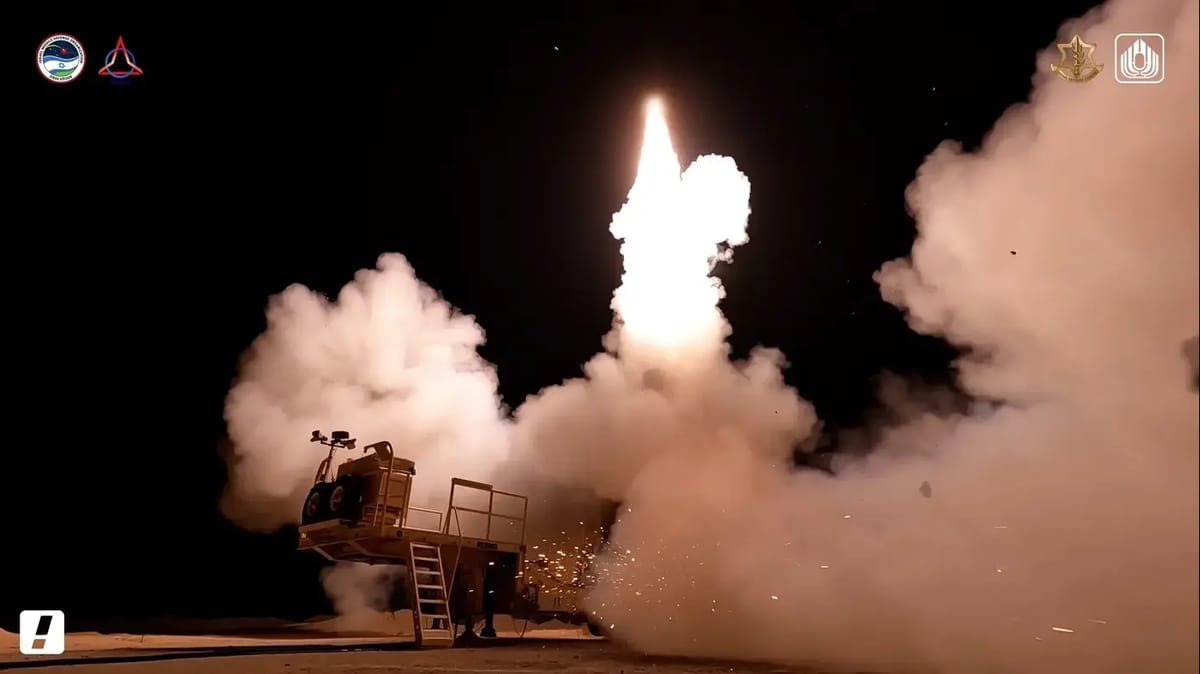
The fallout of this policy became painfully clear following the October 7 massacre. The IDF faced immediate shortages in certain aerial munitions and, more recently, a critical lack of Arrow interceptor missiles needed to counter Iranian ballistic threats. Furthermore, the cost of specialized components has jumped by 300 to 400 percent due to global demand fueled by the war in Ukraine, leaving Israel to pay a massive premium for the same items it once manufactured at home.
Engelman was also highly critical of the National Security Council, accusing it of failing to oversee the defense establishment or initiate government discussions on the importance of local production "independence." The report notes that despite warnings from high-ranking generals before the war, no budget was allocated to restore the idle production lines. The Comptroller emphasized that the ability to fight a prolonged war is intrinsically linked to the ability to produce "Blue and White" hardware without seeking permission from abroad.
The report also touched upon the inherent tension within state-owned companies like Rafael and Israel Aerospace Industries. While these firms are committed to national security, they are also required by law to operate as profitable business entities. Engelman argued that the Ministry of Defense cannot simply rely on the "goodwill" of these companies to absorb losses during emergencies and should instead provide direct financial compensation for non-economic operations.
In response, the Ministry of Defense claimed that it is now working at an "unprecedented pace" to close these gaps, launching a 350 billion shekel decade-long plan called "Shield of Israel." Officials stated that twenty critical areas of production have already been expanded in the last year. However, for the State Comptroller, these emergency measures are "too little, too late" for a state that had two decades to prepare for the reality of a multi-front war.