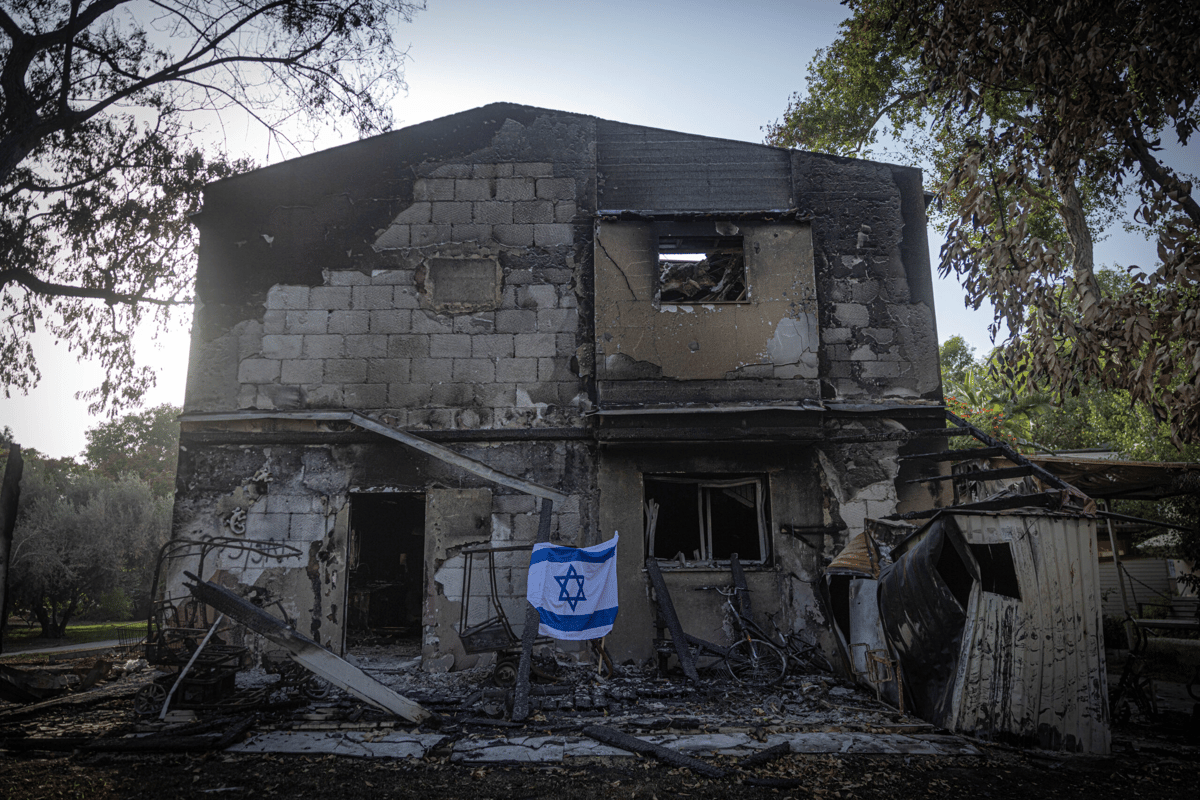
State Comptroller Matanyahu Englman released a scathing report on Tuesday, exposing a series of systemic failures in the government's handling of the rehabilitation for communities devastated by the October 7 terrorist attack. The report focuses on the Tekuma Administration and various government ministries, alleging that the recovery efforts for the Gaza border region, now referred to as the Tekuma Region, have been plagued by significant delays, unequal resource distribution, and a lack of coordination with local leaders. According to Englman, the financial assistance meant to help students, teachers, and local municipalities has often failed to reach those in the greatest need, leaving the very people who suffered most from the Hamas terrorists to navigate a broken bureaucratic system.
Educational Inequalities and Teacher Neglect
At the center of the report is a 1.7 billion NIS budget intended for the education of students in the Tekuma Region. The Comptroller found that the Ministry of Education’s funding model created severe distortions and was not distributed equitably. "The budget formulated by the Ministry of Education for the students of the Tekuma Region created distortions and is not distributed in an egalitarian manner," the report stated. In one instance, a school in the Ashkelon Coast Regional Council received only 442 NIS per student from the rehabilitation fund, while a school in the Eshkol Regional Council received 5,866 NIS. This massive gap occurred because funds were distributed based on the total number of students in a school rather than being ring-fenced specifically for the survivors of the war.
Furthermore, a 200 million NIS fund designed to incentivize teachers to work in the war-torn region has been almost entirely ignored, with less than ten percent of the budget actually utilized. The Comptroller noted that this incentive plan was created without the involvement of the Treasury’s wage department or the local authorities, leading to a program that failed to attract the necessary educators to the region as the 2025 school year began.
Delays in Reconstruction and Temporary Housing
The report highlights a staggering delay in the publication of the revised five-year plan for the region. Originally due in April 2025, following a massive 1.5 billion NIS budget cut to development funds, the updated plan was not released until October 2025. This 18-month delay stalled vital infrastructure projects and employment initiatives necessary to bring residents back to their homes. The housing situation for survivors is equally dire, the Comptroller found that in temporary housing sites for residents of Be’eri, Holit, and Kfar Aza, the majority of buildings were riddled with defects. In Kibbutz Chatzerim, 74% of the structures had issues including mold, plumbing leaks, and doors that would not close, with many residents waiting over two weeks for basic repairs.
Environmental recovery has also stalled, with 7,900 dunams of open land damaged during the war remaining unaddressed. The Ministry of Environmental Protection has failed to produce a comprehensive plan for these areas, leaving local councils to struggle with mapping and funding the 70 million NIS needed for restoration. Englman concluded by warning that the prosperity of the Gaza border is tied to the strength of the wider Negev region and the city of Beersheba. He recommended that the Tekuma Administration stop bypassing regional councils and start working directly with local leadership to ensure that the rehabilitation efforts do not leave the region isolated and underdeveloped.