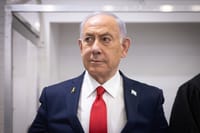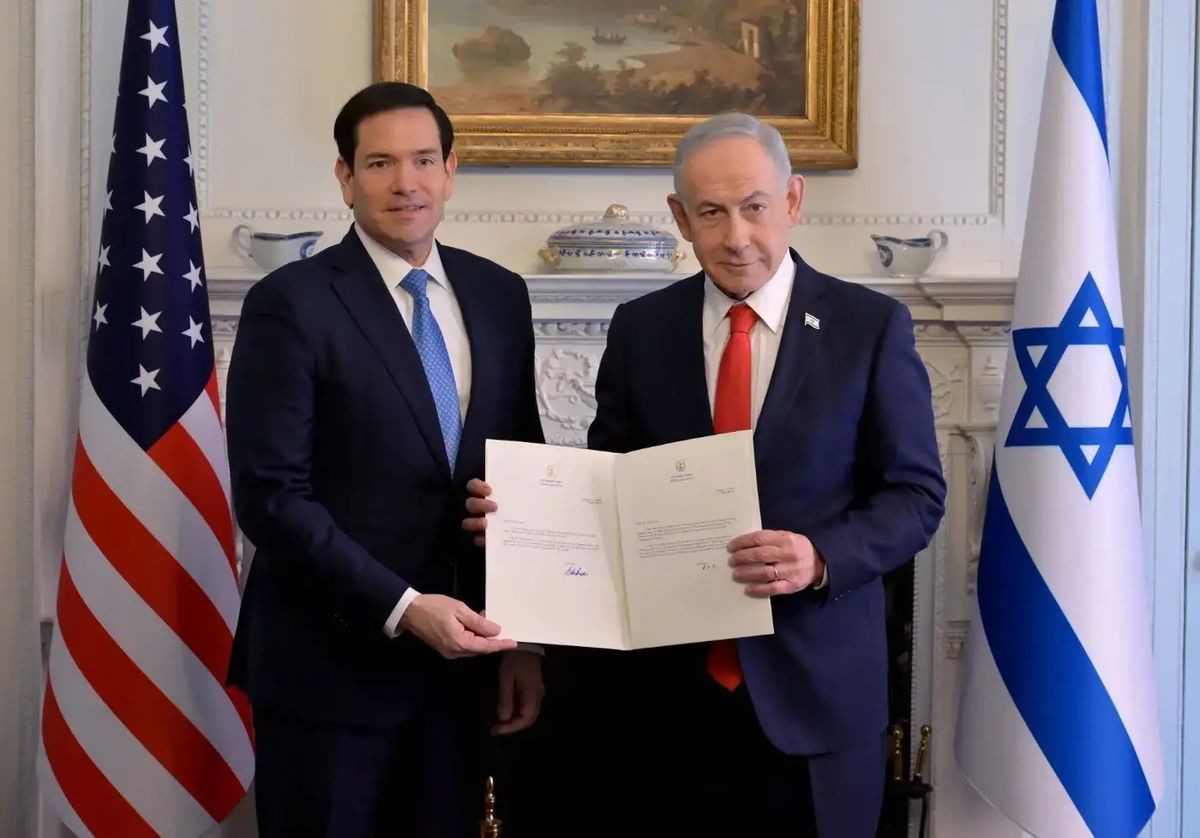
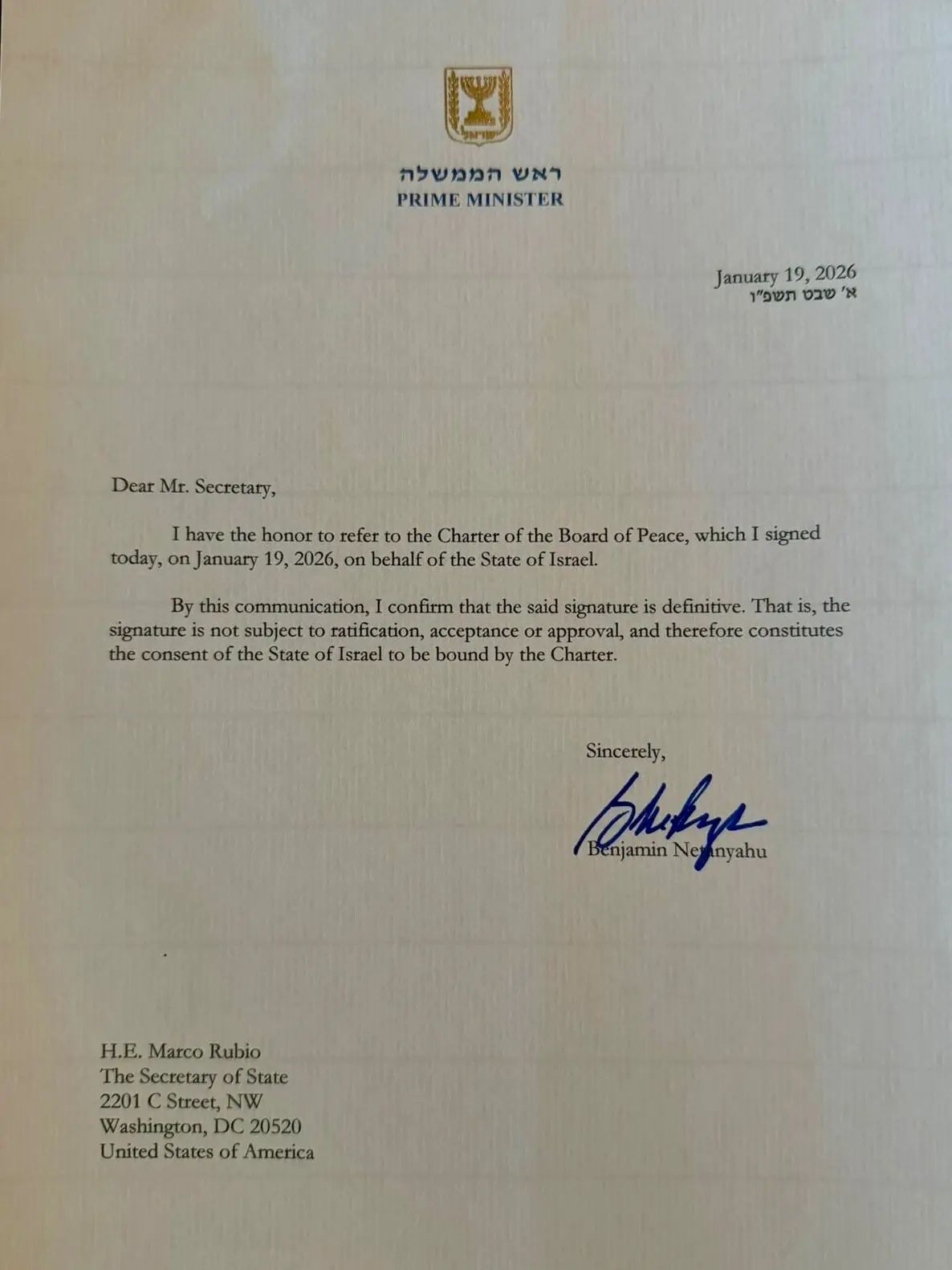
In a quiet but monumentally significant move, Prime Minister Benjamin Netanyahu officially integrated Israel into the "Board of Peace" for Gaza during a hurried visit to Washington. Just hours before his high-profile summit with President Donald Trump, Netanyahu met with Secretary of State Marco Rubio at Blair House, the President's official guest residence, to sign the board's founding charter. This signature marks a dramatic shift in the management of the Gaza Strip, moving from a military occupation toward a multi-national administrative framework. The Board of Peace, a cornerstone of President Trump’s "20-Point Plan," is tasked with the daunting responsibility of overseeing the reconstruction of the enclave while ensuring that Hamas terrorists are permanently removed from any role in governance. For Israel, joining the board represents a strategic bet on a new regional order that bypasses traditional international institutions in favor of a US-led executive body.
A New Architecture for Governance
The Board of Peace is not a typical diplomatic committee; it is a transitional administration with its own international legal personality, mandated by UN Security Council Resolution 2803. Led by President Trump as "Chairman for Life," the board is structured to manage the "Day After" in Gaza through a tiered power system. At its meeting with Secretary Rubio, Netanyahu committed Israel to a process that involves a technocratic Palestinian administration, known as the National Committee for the Administration of Gaza (NCAG), which will handle daily affairs under the board's direct supervision.
This new governing structure aims to fill the vacuum left by the collapse of the previous regime. According to the charter, the board will manage billions of dollars in international investment, with permanent member states required to contribute significant funds for the privilege of a seat. The board's primary mission, as outlined by the White House, is to "ensure the swift and successful implementation of the Comprehensive Plan," which includes the total destruction of all terror infrastructure and tunnels.
The Road to Demilitarization
One of the most critical aspects of the agreement Netanyahu signed is the establishment of the International Stabilization Force (ISF). This force, commanded by US Major General Jasper Jeffers, is designed to replace the Israel Defense Forces (IDF) in Gaza as specific security milestones are met. The ISF will be responsible for training a vetted Palestinian police force and maintaining a "terror-free environment." Netanyahu has been clear that Israeli troops will only withdraw as demilitarization is verified by independent monitors. "The next phase should not focus on rebuilding Gaza, but on disarming Hamas and the demilitarization of the Gaza Strip," Netanyahu stated prior to the signing.
The board also includes several prominent international figures, such as former UK Prime Minister Tony Blair and Jared Kushner, who will oversee specific portfolios like capital mobilization and regional relations. While some critics have likened the structure to a "commercial trusteeship," supporters argue it is the only way to ensure Gaza is rebuilt without the funds being diverted to terrorism. By joining the board, Israel has secured a formal voice in the group that will determine who governs Gaza, how it is policed, and where the billions in reconstruction aid are spent. The move signals that the era of Hamas rule is being replaced by a firm, international mandate backed by the full weight of the United States.