The Iranian leadership has issued a series of uncompromising warnings to the international community, asserting that their ballistic missile program is entirely off the table in any ongoing diplomatic negotiations. As talks continue, the regime is projecting a unified front of military and diplomatic strength, making it clear that the defense of their sovereignty is not open to debate. Senior military and government spokesmen emphasized that the Islamic Republic is operating on a dual track, utilizing diplomatic channels while simultaneously preparing for an all out war. With tensions reaching a fever pitch, Tehran has stated that even a limited strike by the United States or Israel would be viewed as an act of war, triggering a retaliation designed to be both deterrent and painful for its adversaries.
The Inseparable Bond of Defense and Diplomacy
Foreign Ministry spokesman Bahram Qassemi recently highlighted that the strengthening of Iran’s military capabilities is an essential principle for the survival of the state. He explained that this buildup is intended to prevent any enemy from even considering an attack. According to Qassemi, the country's armed forces and its diplomatic core are working in total cooperation to protect national sovereignty. This synergy is designed to project a message of stability and readiness to the world. "If Iran is attacked militarily by any party, it will certainly respond," Qassemi stated, while noting that any action by the "Zionist regime" is viewed by Tehran as a coordinated operation with the United States. He warned that any such aggression would meet a response that would be "necessarily deterrent and painful."
A Warning of Global War
The rhetoric from the military echelon is even more severe. Senior defense official Ali Shamkhani declared that the Iranian military leadership has a clear consensus: any military strike against the country, no matter how small or limited, will be interpreted as the official opening of war. Shamkhani warned that such a war would not be contained within a small geographical area or limited to just two opponents. Because of the strategic nature of the region, he argued that a war would "definitely affect many parties and impact the lives of all humanity." This threat of global destabilization serves as Iran’s primary leverage as it faces increasing pressure from the Trump administration.
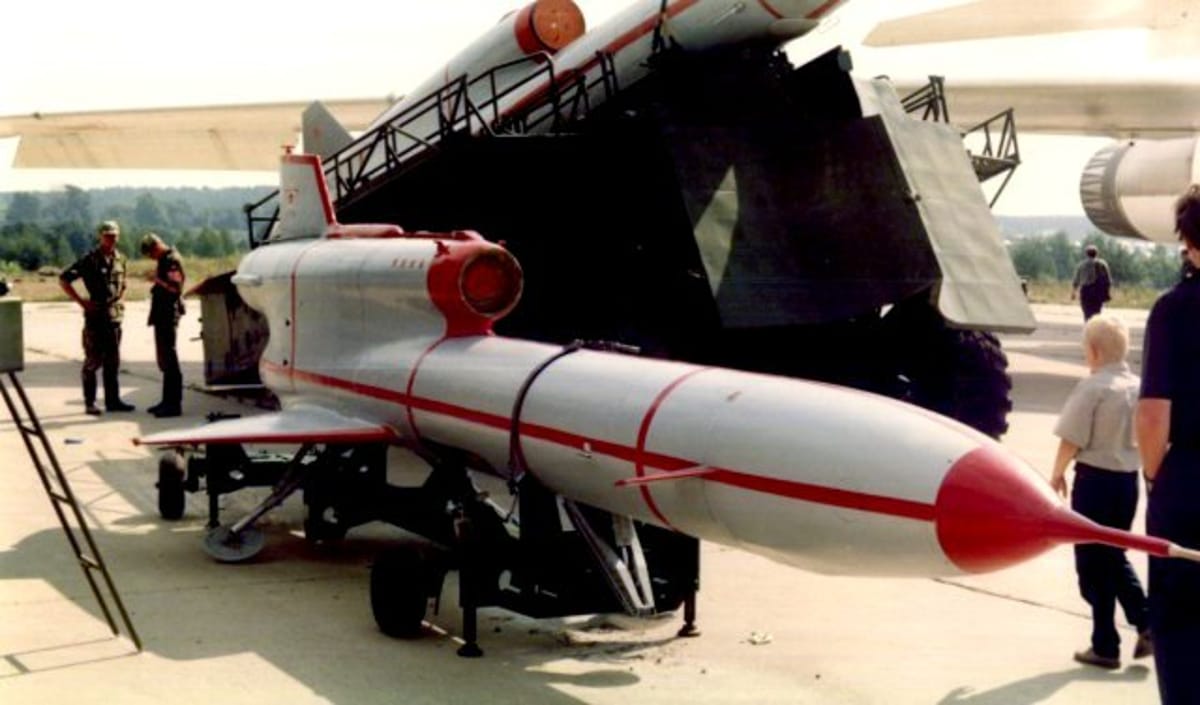
Shamkhani also took aim at the current negotiation path, accusing the United States and its allies of following the process with "bad intentions" and dishonesty. He specifically rejected the American attempt to bring Iran’s ballistic missile arsenal into the discussions. "This is an issue that is not within the scope of negotiation," he asserted, describing the inclusion of missiles as a "typical American approach" intended to weaken Iran’s position before a deal is signed. He concluded with a defiant promise that the regime’s missile assets remain untouchable, stating that "no one can cause even the smallest damage to our missiles" and reiterating that they are not, and will never be, a subject for negotiation.