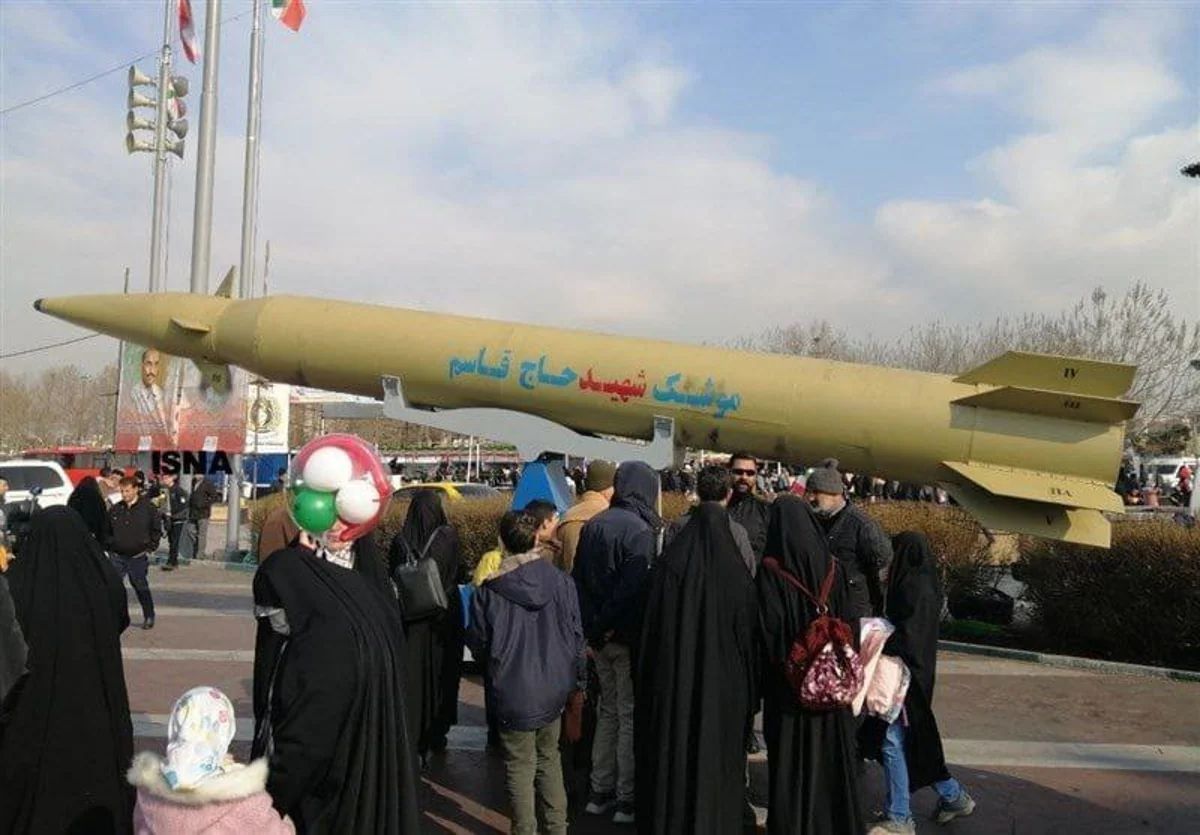
Tehran is fundamentally shifting its strategic posture as the threat of an American military intervention looms larger than ever. In a series of aggressive statements from the Defense Ministry and senior military commanders, the Islamic Republic has announced a total blackout on the public display of its newest defense achievements, including advanced missiles and suicide drones. This policy of "strategic silence" is designed to keep Western intelligence agencies in the dark about Iran’s actual capabilities before a potential war. Simultaneously, the regime’s top generals are warning that they have abandoned the doctrine of "proportional response," promising that any mistake by the United States or Israel will be met with an offensive scale that will exceed anything witnessed during the 12-day war in June.
The Principle of Surprise
Brigadier General Reza Talaei-Nik, the spokesperson for the Iranian Ministry of Defense, announced on Monday that the regime will no longer hold public ceremonies to showcase its military progress. "Due to security considerations and to preserve the principle of surprise, we have currently stopped unveiling defense achievements," he told reporters. This includes cutting-edge developments in microelectronics, artificial intelligence, and cyber technologies that have been integrated into the country's defense units over the past six months.
This move marks a significant departure from the regime’s traditional "propaganda of power," where new hardware is often paraded through the streets to deter enemies. By hiding these assets, Tehran hopes to create a tactical "black hole" for American planners. Major General Amir Hatami, the Commander-in-Chief of the Iranian Army, reinforced this by stating that the military is now at a "higher level of defensive readiness" than ever before. He warned that the "enemy only understands the language of power," and that any miscalculation by the U.S. armada would result in a response that would be "unprecedented in scale and experience."
Diplomacy and Defense in One Trench
The internal coordination within the regime has also reached a new peak. Foreign Ministry spokesperson Esmaeil Baghaei clarified that the nation’s diplomatic efforts and its military forces are now "acting together to protect sovereignty." This unified front was on display during a secret, closed-door session of the Iranian parliament, where Foreign Minister Abbas Araghchi and top generals briefed lawmakers on the status of the Oman negotiations. The message from the session was clear: Iran will not negotiate under the shadow of threats.
Ali Larijani, the Secretary of the Supreme National Security Council, added a diplomatic layer to the military warnings by urging Washington not to let Prime Minister Netanyahu "dictate" the terms of the talks. He warned that the "destructive role of the Zionists" is pushing the U.S. toward a war that will target naval assets and logistics hubs across the region. With the Iranian Army claiming it is in "full readiness" and the Defense Ministry hiding its newest weapons, the regime is signaling that it has prepared for a long-term, multi-front war, should the current diplomatic window in Muscat slam shut.