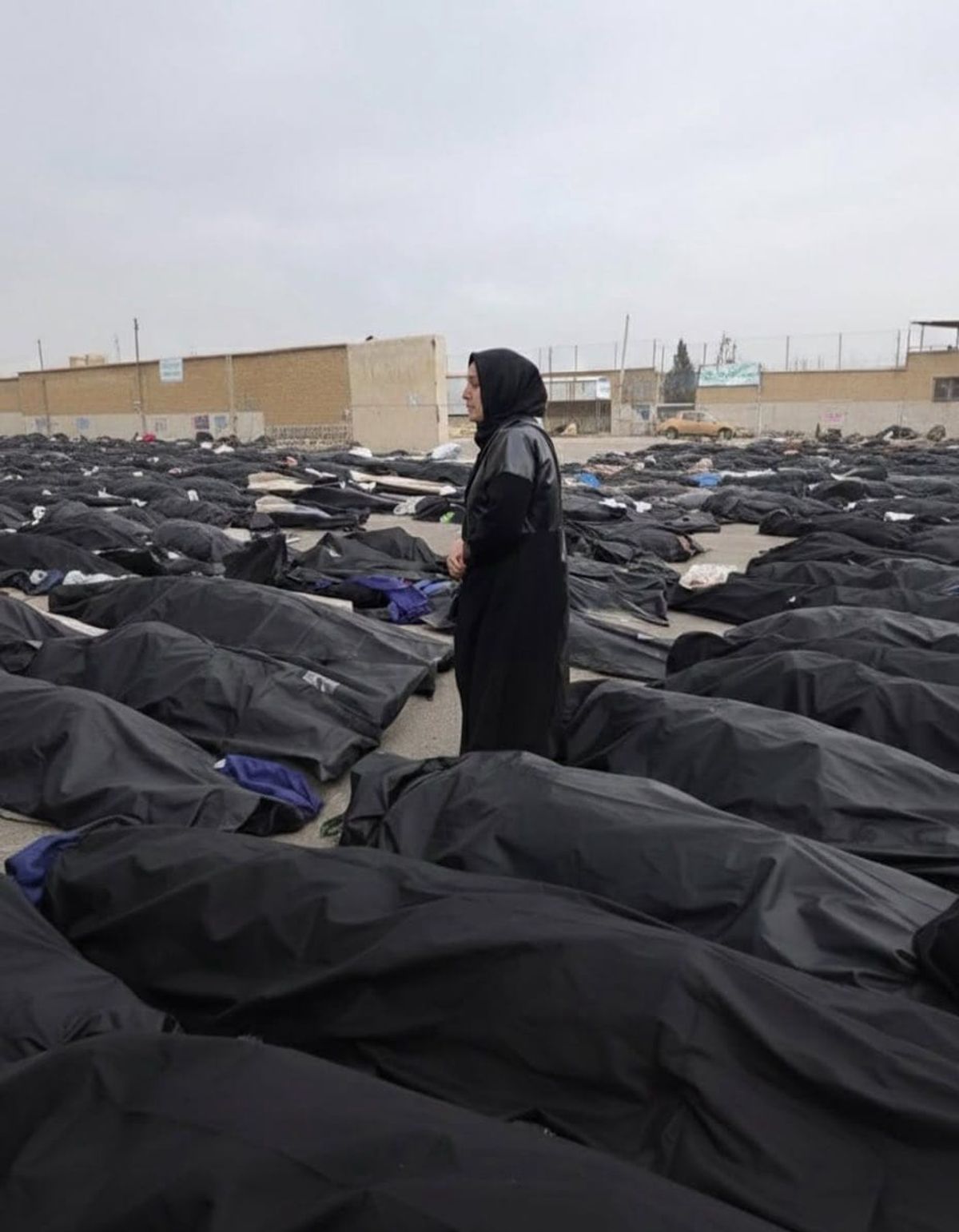
While diplomats in Oman discuss uranium levels and sanction relief, a very different conversation is happening in the shadowed streets of Tehran and Mashhad. In a series of exclusive interviews with N12, Iranian citizens have expressed a profound sense of betrayal and terror at the prospect of a new deal between the United States and the Islamic Republic. For many who lived through the brutal crackdowns of the past year, any agreement that leaves the current regime intact is viewed not as peace, but as a "knife in the back." These testimonies reveal a population that is so desperate for change that they have begun to view the prospect of a foreign military strike as their "only lifeline."
Fear of a Fake Peace
For Mahsa, a 34-year-old resident of Mashhad, the whispers of a looming nuclear deal have brought on a month of emotional turmoil. She describes a life stuck in a permanent state of waiting, where the "hope for an attack" is the only thing keeping many people going. "The feeling of helplessness we experience is simply killing me," she shared. "Since the whispers of negotiations and an agreement, everything has become more horrific and scarier. The fear is that if a deal is really signed, if there is no attack, if this rule does not end, what will happen to me? What will happen to my people then?"
This sentiment is echoed by Rihanna, a 26-year-old from Tehran, who sees the negotiations as a way for the regime to "trample the memory" of those killed by security forces. Rihanna described her frustration as an open wound, stating that the current talks are a tool for the Ayatollahs to buy time while continuing to brutalize the population. "This negotiation for me is like a knife stuck in my back," she emphasized. "I really hope that in the middle of this negotiation, at the end of this negotiation, there will be an attack. I hope that the United States and Israel will attack, because we have no other alternative. It is the only rescue board left for us."
War as a Comfort
Perhaps the most striking testimony comes from Nima, a 35-year-old from Tehran who witnessed the death of his friend’s 22-year-old brother during recent protests. Nima explains that while the rest of the world fears a regional war, many Iranians find comfort in the idea of a military resolution. "Naturally, when talking about war, there should be fear. But it's not like that. War for us is a comfort," he said. He described the current atmosphere in the capital as a "depressed collective fatigue," where the silence in the streets is not peace, but the result of mass arrests and exhaustion.
These citizens warned that the danger posed by the "Ayatollah regime" is not confined to Iran’s borders, labeling it a "security threat to the entire world." They appealed directly to President Trump to honor his promises of supporting the Iranian people, rather than providing the regime with the economic oxygen of sanction relief. For Nima, Mahsa, and Rihanna, the true disaster is not the threat of American missiles, but the threat of an American handshake that ensures their oppressors remain in power for another generation.