The internal stability of the Islamic Republic of Iran is showing unprecedented signs of strain as the country faces both external military pressure and a domestic political purge. For the first time in 37 years, Supreme Leader Ali Khamenei was conspicuously absent from the annual Air Force Day ceremony on February 8, a ritual he has personally led every year since 1989. This break in precedent has ignited intense speculation regarding his health and the current state of regime control. Simultaneously, the Iranian judiciary has moved to silence the remaining voices of legal opposition, arresting prominent reformist politicians who have dared to criticize the regime's handling of recent mass protests and its confrontational foreign policy.
The Missing Leader and Secret Debates
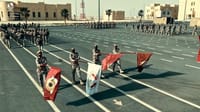
The Air Force Day ceremony, where commanders traditionally pledge their absolute allegiance to the Supreme Leader, was instead presided over by Chief of Staff Major General Abdolrahim Mousavi. While state media attempted to project a sense of continuity, the absence of the "Commander-in-Chief" at such a symbolic moment was viewed by international observers as a sign of significant internal disruption. This missing presence coincides with reports of a "closed-door" session in the Iranian parliament involving Foreign Minister Abbas Araghchi and top military brass.
During this secret session, the Speaker of the Parliament, Mohammad Bagher Ghalibaf, reportedly discussed the status of indirect talks with the United States in Oman. The consensus from the hardline parliament appears to be that the nuclear industry remains a "non-negotiable red line," despite the massive U.S. military buildup in the Gulf. However, the secrecy of the meeting and the absence of Khamenei suggest that the regime is struggling to coordinate its defense and diplomatic strategies as the threat of an American strike looms.
The Purge of the Old Guard
While the military prepares for war, the judiciary is busy fighting an internal battle. On Sunday, security forces arrested Azar Mansouri, the head of the Reform Front coalition, along with Ebrahim Asgharzadeh and Mohsen Aminzadeh, a former deputy foreign minister. These individuals are not street rioters but veterans of the political system who have called for constitutional reform and criticized the regime's "scorched earth" approach to dissent.
The Tehran Prosecutor’s Office has charged these leaders with "coordinating with enemy propaganda" and "targeting national unity." The Head of the Judiciary, Gholam-Hossein Mohseni-Eje'i, went further, claiming that those who criticize the regime from within are "echoing the Zionist regime and the United States." This crackdown indicates that the clerical establishment is no longer willing to tolerate even the most moderate calls for restraint, as it prepares to face an existential threat from abroad and a restive population at home.