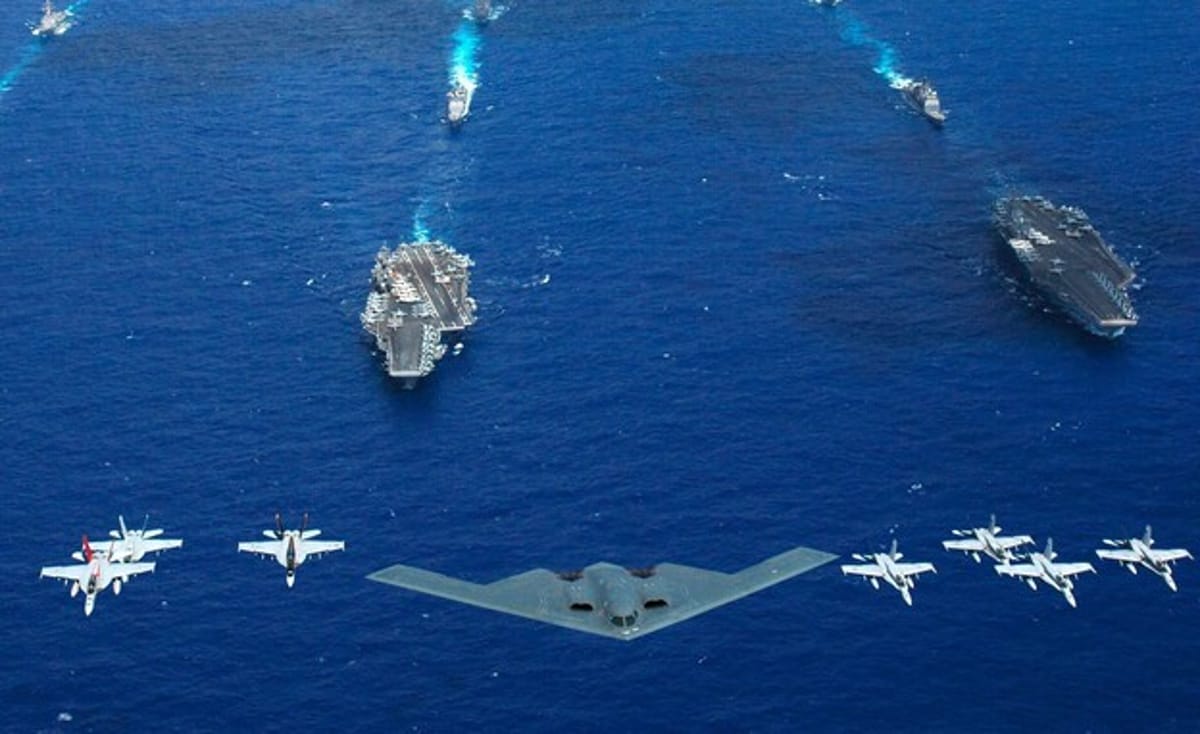
The Middle East is witnessing the final stages of a massive military buildup as the United States and its allies prepare for the possibility of a large scale air campaign against Iran. With six additional F-35 stealth fighters and three advanced refueling tankers currently en route to the region, the Pentagon has transitioned from deterrence to active operational readiness. This surge in hardware coincides with a high stakes visit by Prime Minister Benjamin Netanyahu to Washington, a meeting described by Israeli officials as "fateful." Netanyahu is expected to present President Trump with fresh intelligence detailing Iran’s nuclear advancements, its ballistic missile program, and the regime’s brutal suppression of domestic protests. While diplomatic talks in Oman continue, many in the defense establishment believe these negotiations are merely providing the time necessary to position an "armada" capable of delivering a regime-altering blow.
Setting the Theater for Strike
In recent days, the skies over the Persian Gulf have been filled with the roar of American combat aircraft conducting intensive readiness drills. US Air Forces Central (AFCENT) has launched multi-day exercises designed to validate the rapid deployment, dispersal, and sustainment of massive strike packages. These drills focus on aerial refueling and the coordination of large formations, ensuring that if President Trump gives the "green light," the military can strike deep into the Iranian interior with overwhelming force.
The arrival of the USS Abraham Lincoln carrier strike group, which recently shot down an Iranian Shahed drone in self defense, has solidified what Trump calls his "massive armada." The deployment of stealth assets like the F-35 suggests that any potential operation would aim to penetrate Iran’s most sophisticated air defenses. Israeli security sources suggest that a widespread air campaign could serve as the catalyst for internal change in Iran, providing the necessary "backbone" for anti-regime protesters who have faced a deadly crackdown that has claimed thousands of lives.
Diplomacy as a Smokescreen
Despite the military posturing, indirect talks between the U.S. and Iran took place in Muscat last Friday. While Iranian Foreign Minister Abbas Araghchi described the session as a "good start," American officials have expressed frustration at the lack of tangible concessions. The U.S. is demanding "zero nuclear capability" and a complete halt to the ballistic missile program, terms that Tehran currently views as a humiliating surrender.
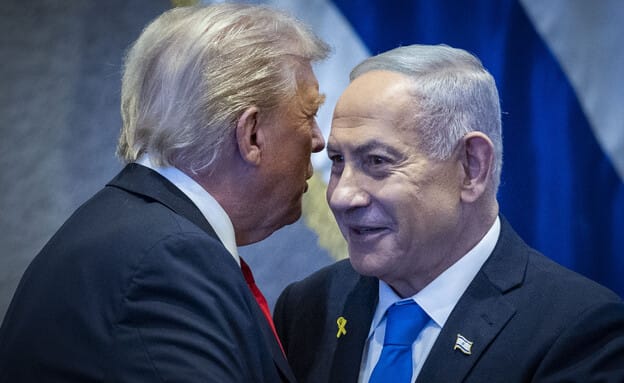
Netanyahu’s meeting with Trump, which was moved forward by one week at the Prime Minister’s request, is intended to ensure that no "weak" nuclear deal is reached. Netanyahu reportedly gave a comprehensive briefing to U.S. envoy Steve Witkoff before his departure, emphasizing that any deal must include the dismantling of Iran's "terrorist axis" and its proxy networks, including Hezbollah and Hamas terrorists. With the next round of negotiations delayed until after the White House summit, the window for a diplomatic solution is rapidly closing, leaving the "armada" in the Gulf as the primary tool of American and Israeli policy.