The United States has issued a new maritime advisory urging American-flagged vessels to stay as far as possible from Iranian territorial waters while transiting the Strait of Hormuz, after Iranian forces harassed a U.S.-flagged tanker in the vital waterway last week.
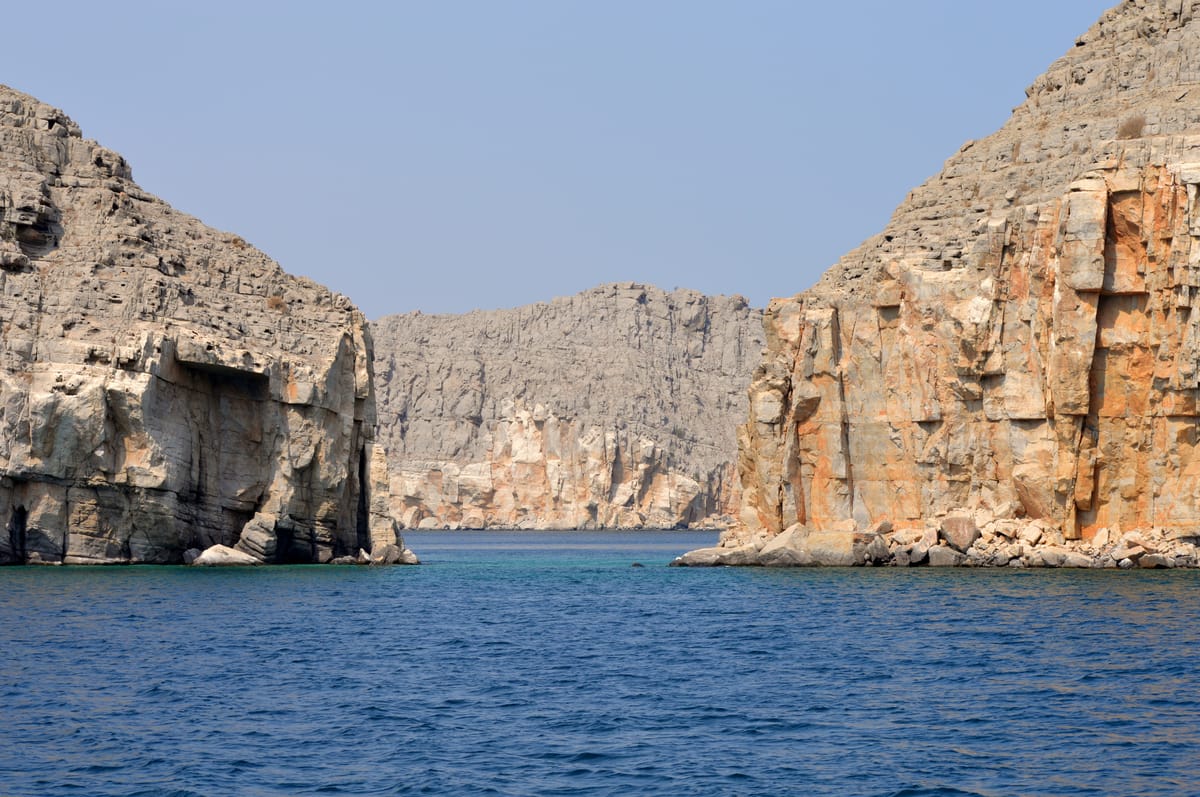
The advisory, issued by the U.S. Maritime Administration (MARAD) today, recommends ships remain closer to the Omani side of the strait to reduce the risk of illegal boarding, detention, or seizure by Iranian forces.
The warning follows an incident on February 3, 2026, involving the Stena Imperative, a U.S.-flagged, U.S.-crewed product tanker operated by Crowley Government Services and enrolled in the U.S. Tanker Security Program, which supports fuel supply for American military forces in the region.
According to U.S. Central Command (CENTCOM) and maritime security reports, the tanker was transiting the inbound traffic separation scheme in the Strait of Hormuz, approximately 16 nautical miles north of Oman’s coast, in international waters, when it was approached at high speed by Iranian Revolutionary Guard Corps (IRGC) fast boats and a Mohajer drone.The Iranian vessels hailed the tanker via radio, ordered it to stop its engines, and threatened to board and seize the ship. The Stena Imperative refused the demands, increased speed, and continued on its planned route toward Bahrain. A U.S. Navy guided-missile destroyer, the USS McFaul, responded immediately to the scene and escorted the tanker, supported by defensive air cover from the U.S. Air Force. The situation de-escalated, and the vessel proceeded safely.
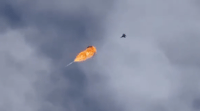
The incident occurred on the same day that a U.S. F-35C fighter jet from the carrier USS Abraham Lincoln shot down an Iranian drone that had aggressively approached the carrier in international waters in the Arabian Sea.
The Strait of Hormuz is one of the world’s most critical maritime chokepoints, through which roughly 20–30% of global seaborne oil trade passes daily. Any disruption in the area can have significant impacts on energy markets and international shipping.
This is the latest in a series of close encounters between Iranian forces and commercial vessels in the region.
MARAD’s updated advisory (2026-001) remains active and emphasizes heightened caution due to the ongoing risk of Iranian interference. No further details on additional incidents have been released as of this advisory.