Jerusalem is closely monitoring every hint from the White House, yet as of Monday morning, the picture remains more blurred than ever. Despite President Donald Trump’s bellicose rhetoric just a month ago, Israeli officials are struggling to determine the reality: Has the President "gotten cold feet" and is looking for an exit strategy, or is this a masterclass in strategic deception designed to lull Tehran into a false sense of security before a final blow?
"Half a Job" - The Worst-Case Scenario
The primary concern raised in closed-door security briefings is not just the possibility that an attack won't happen, but a scenario where the Americans begin a military move and fail to finish it with a decisive victory.
"If Iran feels it has survived the firepower of the world’s greatest superpower, it will emerge from the event significantly stronger and more dangerous," security sources warn. Such a scenario could lead Tehran to dictate a regional agenda based on unbridled terrorism and direct threats to the energy resources of its neighbors, acting with a sense of total immunity.
The Dilemma of the Gulf States
Surprisingly, the very countries that fear Iran most, Saudi Arabia, the UAE, and Qatar, are exerting heavy pressure on Washington to avoid a strike. The motive, according to sources in Jerusalem, is not sympathy for the Ayatollah regime, but an existential fear of Iranian retaliation on the "day after" an inconclusive strike. These nations operate like victims of domestic terror, preferring a tense status quo over a conflict that could leave them exposed.
Jerusalem’s Red Line
While the ball is in the White House's court, Prime Minister Netanyahu is expected to clarify in Washington the day after tomorrow that Israel has its own red lines, particularly regarding Iran's ballistic missile array.
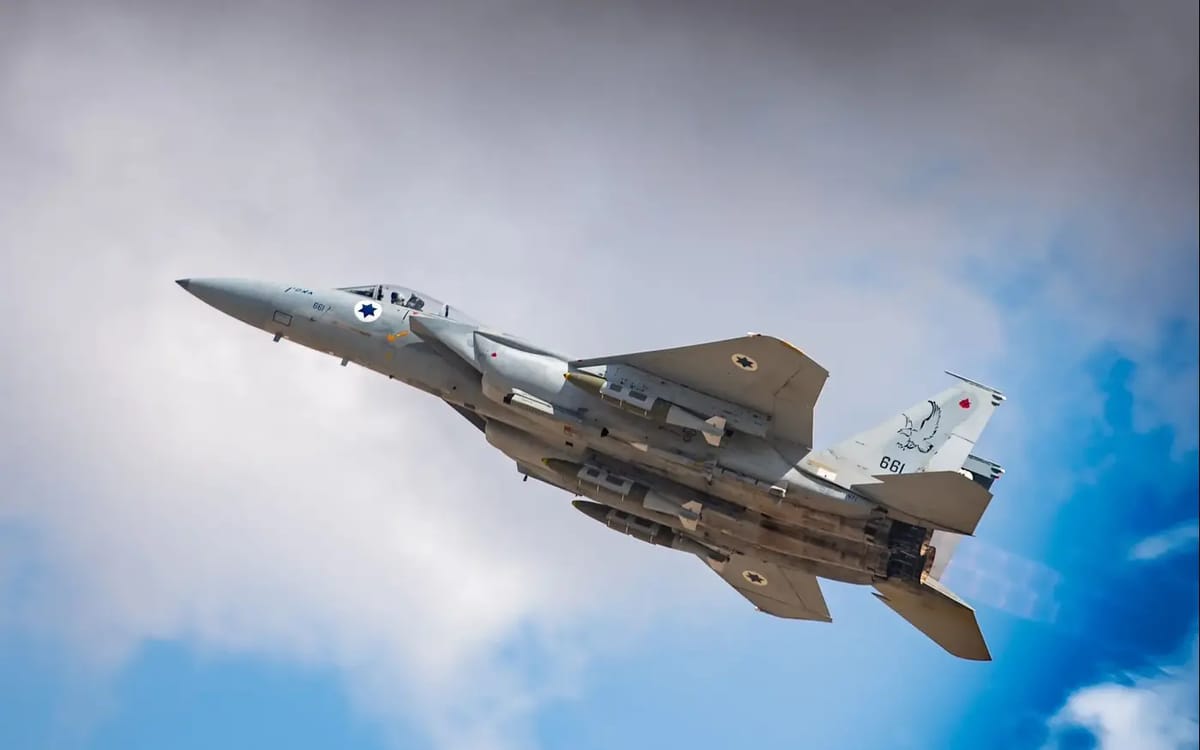
- The Numbers: According to estimates, Iran currently possesses approximately 1,800 ballistic missiles and roughly 60-80 launchers.
- The Threat: A significant increase in these numbers would be considered by Israel as grounds for independent action, regardless of the American decision.
Merchants in the Persian Bazaar
In Tehran, meanwhile, tough negotiations are underway. The Iranians understand the risk to their regime and are attempting to stretch the limits of American flexibility. The fear is that they are already preparing for the "day after," hiding an arsenal of weapons in deep underground facilities to emerge from the rubble and declare a "divine victory", exactly as their proxies in Hezbollah and Hamas have done in the past.
Is this a once-in-50-years opportunity to change the face of the Middle East, or a historic missed chance that will leave Israel alone against a nuclear Iran? The answer currently lies with one man in the Oval Office.